
Families of the kidnapped and missing from Kosovo: 26 years have passed, but we must not give up the right to truth and justice
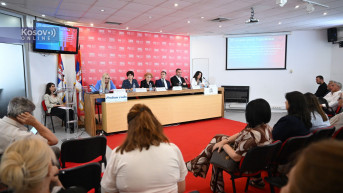
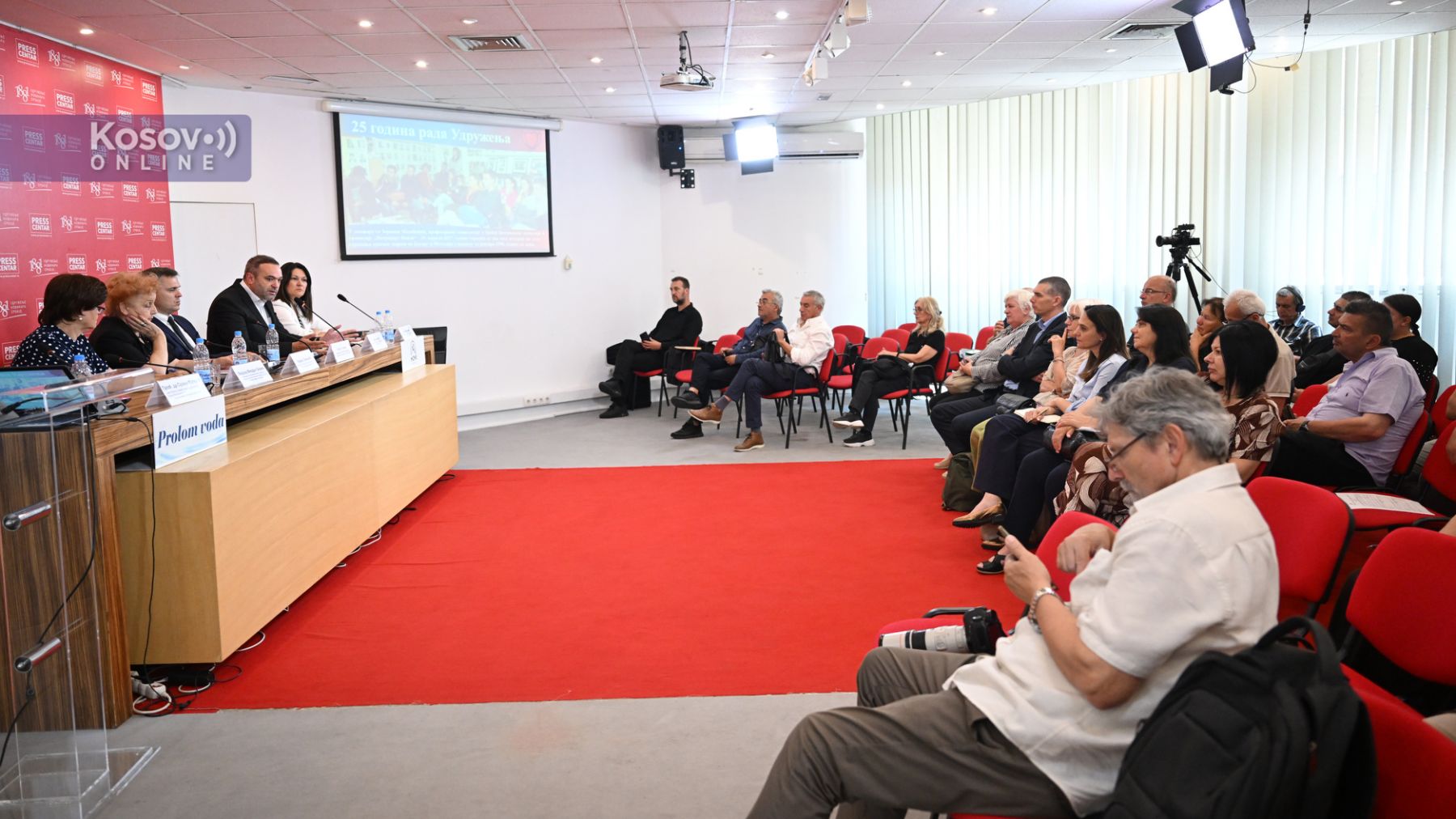
Families of the kidnapped and missing from Kosovo must not give up the fight for the right to truth and justice, which has been denied to them for 26 years, it was emphasized today at the conference “The Search for the Missing and Remembrance of the Victims Will Not Stop.”
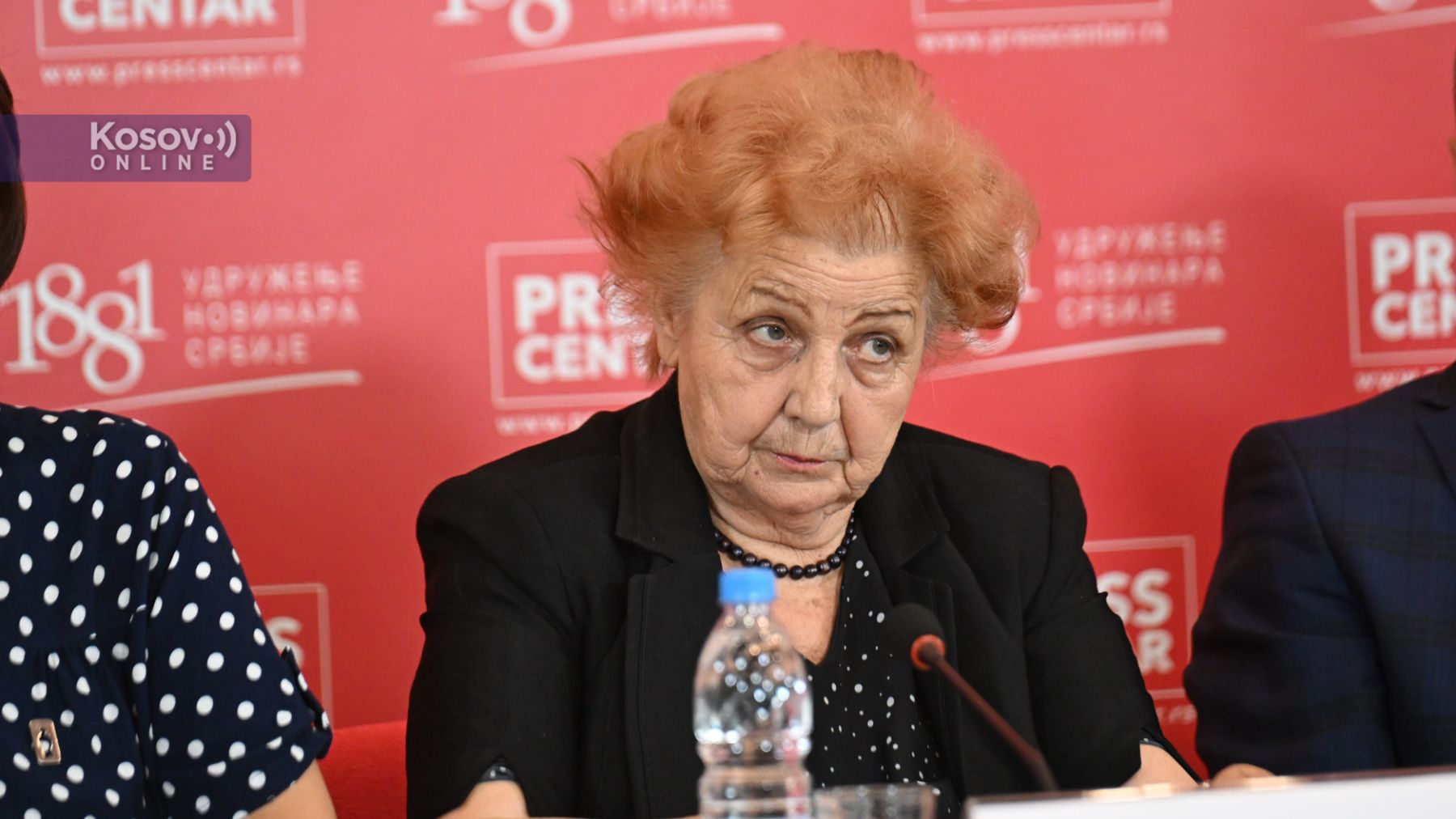
“We mark this anniversary to remind all dormant consciences of their obligations. Inaction is also a crime,” stated Verica Tomanovic, President of the Association of Families of the Kidnapped and Missing Persons from Kosovo and Metohija.
She noted that victims have no nationality, which is why there is hope for the accelerated clarification of the fate of the missing and the continuation of the dialogue between Belgrade and Pristina on this issue.
“We still believe in the continuation of the dialogue and that the issue of the missing should be a priority in the talks between Belgrade and Pristina, with the support of the ICRC,” Tomanovic emphasized.
She recalled that both Serbian and Albanian families have lived for over 25 years with uncertainty and unbearable pain.
“Victims have no nationality. For more than a quarter of a century, our Serbian and Albanian families have been living in uncertainty, unbearable pain, and spiritual destruction of numerous family members. Resolution 1244 is still in force. Europe and the world are obligated to fully implement its provisions. Peace can only be built on truth and justice, not on force,” she said.
Tomanovic recalled that 26 years ago, following the signing of the Military-Technical Agreement in Kumanovo and the adoption of UN Security Council Resolution 1244, peace was guaranteed for all communities in Kosovo, but instead “days of hell and horror ensued, with daily kidnappings, killings, intimidation, and expulsions.”
“Private and state property were endangered, homeowners and tenants were forcibly and violently evicted, homes and entire villages burned, cultural and religious monuments destroyed,” she reminded.
She particularly highlighted the situation at the Clinical Hospital Center in Pristina, where doctors and medical staff were kidnapped and expelled without any reaction from the international community.
“Massacres of Serbs, political Albanians, Roma, and others were carried out under orders from the KLA military command in full view of KFOR. A period of fear and despair began for the Serbian people,” she said.
She reminded that around 250,000 Serbs and members of other communities were expelled at that time and have still not returned to Kosovo.
“Ethnic cleansing of towns and villages continues,” Tomanovic stated.
She said that without respect for UN Security Council Resolution 1244, “there can be no reconciliation.”
“The Serbian people and others, we who are from Kosovo and Metohija and still search for our missing family members, cannot give up our insistence on the right to truth and the right to justice, which has been denied to us for a quarter of a century,” Tomanovic stressed.
She added that the Association continues to insist on full disclosure of the investigation into the Yellow House in Albania and allegations of organ trafficking.
“We are certain that investigations were conducted, but EULEX never communicated the results to us,” she said.
The Mystery of the Pristina Morgue
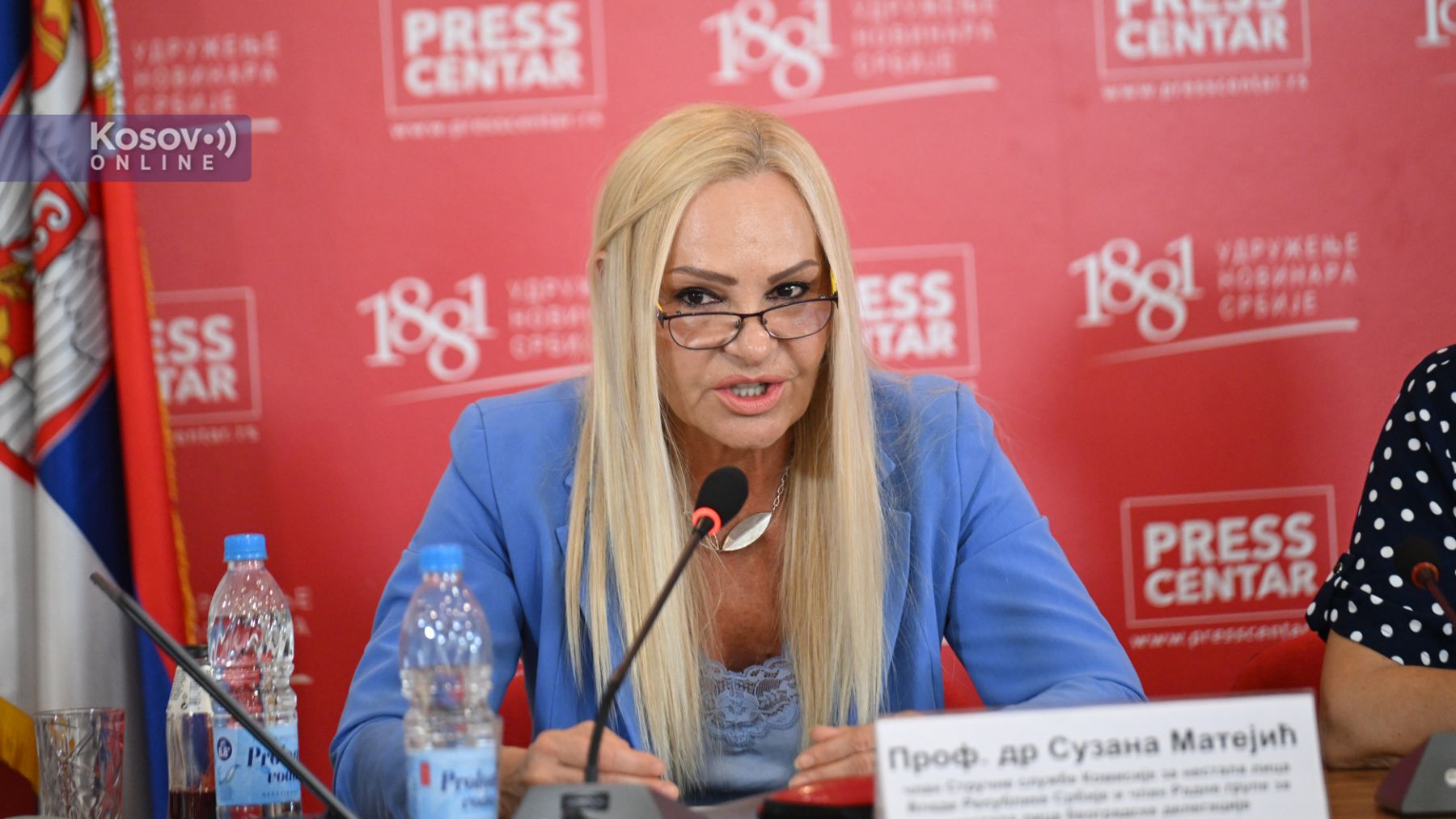
Suzana Matejic, a member of the Serbian government’s Commission on Missing Persons and the Belgrade delegation’s Working Group on Missing Persons, said that since 1999, fewer than half of the total number of missing Serbs and Albanians have been identified.
“To date, 387 individuals of Serbian and non-Albanian nationality have been exhumed, autopsied, and identified. According to the consolidated list of the missing, 568 Serbs and non-Albanians are still being searched for, as well as 1,033 Albanians. That means less than half of the total number of missing persons have been identified after the conflict in Kosovo. The search for 1,590 persons of different nationalities continues,” Matejic stated.
She said that in 2021 a special working group was established to examine the remains kept in the Pristina morgue, but only in March of this year did an invitation arrive for Serbian experts to come to Pristina to begin identification of 354 stored remains.
“For all of us, including the experts, it was surprising that DNA testing of the 354 bone samples conducted by the International Commission on Missing Persons did not yield any matches. We still do not know who these individuals are. Ninety-five percent of families provided blood samples for analysis. We’ve done all we can to enter this professionally challenging process. But despite fighting since 2021 to start the process immediately, we were only invited to the Pristina morgue in March to hear what had been done. That’s a major step forward,” Matejic said.
She added that all relevant documentation is now being gathered in order to work with colleagues from Pristina to “resolve the mystery of the Pristina morgue.”
New Law on Missing Persons
State Secretary at the Ministry of Labor, Employment, Veterans, and Social Affairs, Djordje Todorov, said that the Ministry has formed a working group to draft a comprehensive law on kidnapped and missing persons, expected to enter into force next year.
“This is the first time the state is regulating the issue of the missing in this way,” Todorov said.
He explained that a permanent mechanism will be established for tracing and supporting families, and for the first time, the legal status of missing persons will be recognized by law.
“The state is taking an active role in the search. This responsibility no longer lies solely with the families. This is the most important step so far in linking rights and justice for the victims,” Todorov noted.
International Community’s Responsibility
Mirjana Bozin, President of the Coordination of Serbian Associations of Families of the Missing, Killed, and Murdered Persons from the Former Yugoslavia, asked who has been held accountable for the crimes committed—particularly highlighting the role of the international community.
“They deployed armed forces to establish peace, but crimes continued to occur with increasing intensity in their presence. How is it that no one has been held accountable for the failures of the international community?” Bozin asked.
She added that the key issue is the lack of implementation of signed protocols and declarations across the former Yugoslav republics.
“Officials highlight this as a priority in meetings, but in practice that is not the case. This has been going on for 34 years,” Bozin emphasized.
She noted that many states in the former Yugoslavia prefer that this topic is not discussed.
“Resolution 1244 suffered the same fate as others adopted by the UN Security Council. Those who adopted it never intended to respect it. Only when the fate of the missing is resolved can reconciliation among the peoples of the former Yugoslavia begin,” Bozin concluded.
Memorandum of Cooperation
At the conference, a Memorandum of Cooperation was signed between associations of families of the missing in Serbia and the Memorial Center of the Republic of Srpska.
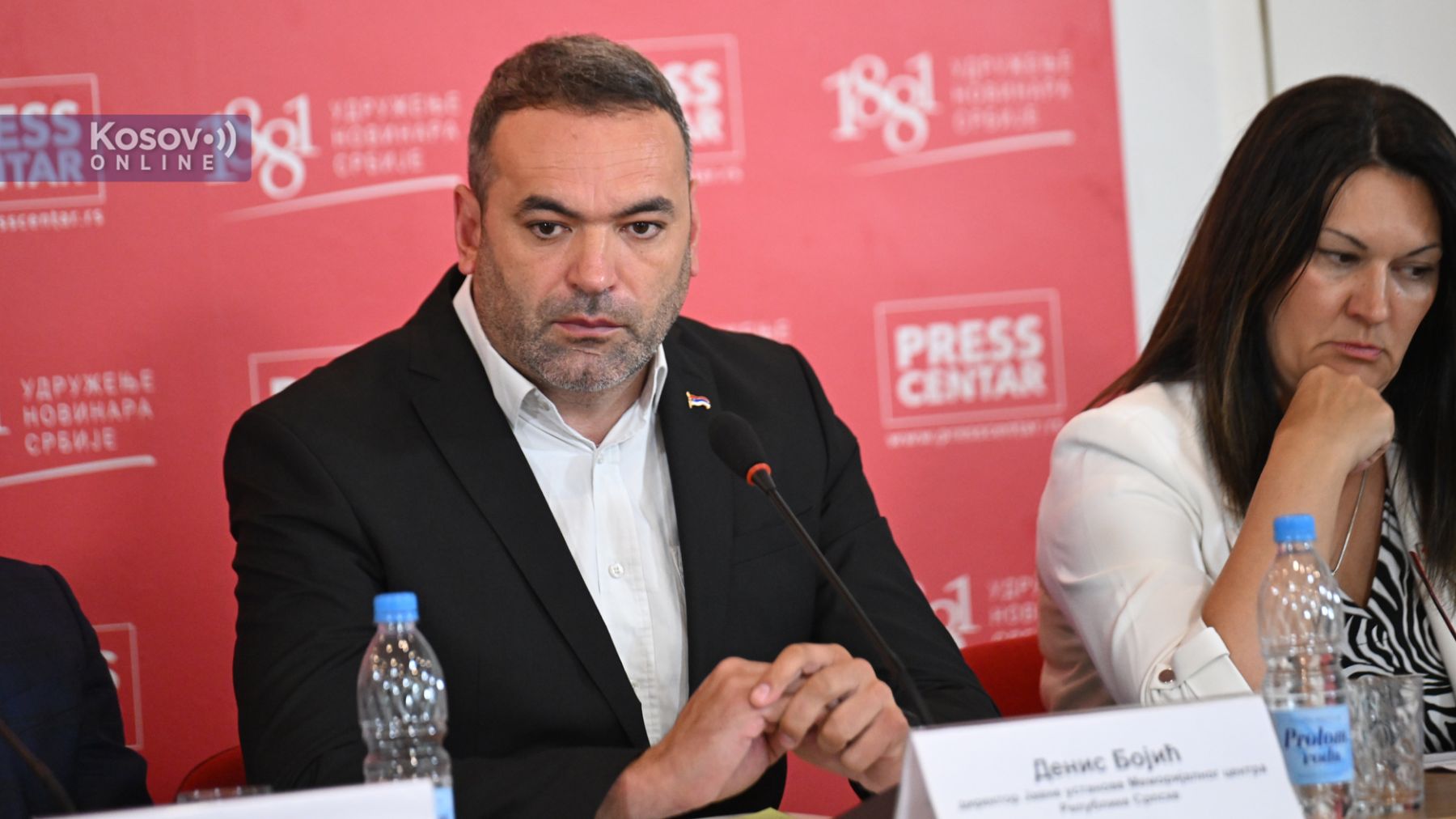
“Fifty thousand Serbs died in the wars in the former Yugoslavia. The largest number—30,000—in the Republic of Srpska. This is why we have a duty to record the memories and testimonies of all families of the killed and missing. That is why we need a joint digital database of Serbian victims—to leave behind a ‘bastion’ of Serbian history and facts for our children, as a bulwark against historical revisionism. We expect that database to be completed by the end of this year or the beginning of next,” said Denis Bojic, Director of the Republic of Srpska Memorial Center.




comments