
Matijevic: In Kosovo, internally displaced persons cannot exercise the right to property restitution

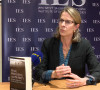
Milica Matijevic, from the Institute of Comparative Law, tells Kosovo Online that one-third of internally displaced persons in Serbia live in harsh socio-economic conditions and cannot exercise their basic human rights. She says that what is necessary to have is better legal regulations and regular statistics on their situation.
She pointed out that internal displacement is a global issue. Last year, there were 75 million internally displaced persons worldwide. Studies show that displacement caused by war or human rights violations often lasts up to 20 years on average.
"This has shown us that internal displacement is more complex than just a link between violence and displacement. It doesn't end once the violence stops, as we can see in our country," she explained.
Serbia still has a large number of displaced persons. According to the Commissioner for Refugees and Migration, whose statistics Matijevic considers "not very up-to-date," there are still close to 200,000 internally displaced persons in Serbia, one-third of whom live in very unfavorable conditions.
"These people live in difficult socio-economic conditions, with high unemployment rates among them, and they are often unable to exercise their property rights. At the same time, statistics show that nine out of ten families who fled Kosovo and Metohija in 1999 and during the March Pogrom had their housing situation resolved, as they owned property," she explained.
The concept of "protracted displacement" indicates that internal displacement does not end with the cessation of conflict. It continues not only because these people are socio-economically vulnerable but also because they still cannot exercise many of their rights on the same terms as other citizens.
According to Matijevic, internally displaced persons, including those who left their homes but remained in Kosovo (though not in their pre-conflict places of residence), often cannot fully exercise their pension rights based on their prior work. Moreover, they cannot exercise various property rights, such as the right to restitution for property destroyed or damaged during the conflict, or the right to reclaim their land because their property has been usurped. Often, they are also denied basic rights such as freedom of movement.
"They are often under threat from malicious reports accusing them of involvement in illegal activities or war crimes, reports that may be motivated by completely different interests than the pursuit of truth," Matijević warned.
She stated that the legal status of internally displaced persons should be better regulated, and statistics should be regularly maintained for several reasons.
"This will clearly highlight the issues that political negotiations need to address to be successful. One of these issues is the question of destroyed, damaged, or usurped property, but there are many other issues as well. Unfortunately, transitional justice has never been fully implemented in Kosovo. This type of justice should enable the realization of various rights that are closely linked to the circumstances that led to displacement. It is also a simple question: 'Who has the right to conduct investigations into war crimes once a semblance of peace has been established?'" Matijevic said.
Another reason why the legal regulation of internally displaced persons' status and statistics is important is that it will protect the rights that these people have not been able to exercise properly all this time. Over time, their legal basis for claiming these rights will not disappear.
"What is probably most important is that by providing a clearer picture of how many internally displaced persons live in Serbia today and which rights they still cannot exercise, it will become clear what the content of the negotiations on Kosovo should be. These internally displaced persons will no longer be sidelined in these negotiations, they will become a legitimate topic of discussion. Including them in the negotiations, either directly through associations or by addressing the issues that have been their life-long problems for decades, will give these negotiations a chance to succeed and bring about a lasting solution and peace we all wish for," Matijevic concluded.


0 comments