
Memorial Service in Pristina: More Serbian graves than Serbs in the city

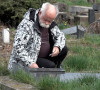
At the cemetery in Pristina, several dozen Serbs came today to visit the graves of their loved ones on Memorial Service Day. Organized transportation for displaced Serbs from Pristina has been unavailable for years, and due to the situation, fewer and fewer of them come each year to light candles for deceased family members.
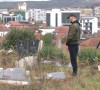
Although the cemetery in Pristina has been partially cleaned, traces of destruction and desecration of monuments, dating back to the conflict in 1999 and the years thereafter, are still visible.
Tomislav Zivkovic, who lived in Pristina until 1999, has now come from Krusevac for Memorial Service Day.
"It's sad, there are more graves than citizens in Pristina..." Zivkovic lamented.
Although the cemetery is tidier compared to last year, it doesn't console the Serbs who left everything behind in Pristina.
"The cemetery has been cleaned and tidied up compared to last time, but what can I tell you... You can see it all," Zivkovic added.
Srdjan Pantic, who comes to the cemetery in Pristina every year, emphasizes that there are fewer people each year, while a large number cannot even come for Memorial Service Day due to the current situation.
"This happens year after year... You are the best witnesses to how many of us are left and how often people visit the cemetery in Pristina, you and Father Stanisa, unfortunately. The situation is such that it's difficult to reach Pristina. Just now, an old woman barely found her way and could hardly make it to the cemetery, the conditions are harsh. We younger ones somehow manage, we come, those of us who are here, we don't choose the way or the time, but it's a problem for others, especially the elderly," Pantic explains.
His father, grandfather, and uncle are buried in the Pristina cemetery.
"All I have, it's here in the cemetery. And this is an opportunity to repay them because if it weren't for them, there wouldn't be us. Everything we have, we have because of them," Pantic said with a trembling voice.
Miodrag Simic from Uglare notices that fear is present among people.
"We come to every Memorial Service, but now, there are fewer and fewer people, there's nobody. Is it some fear? Yes, it is fear. People are no longer daring to cross those borders that were once free. Even when there were people, they were afraid, especially now under Albin Kurti, with more and more arrests every day, so people are afraid because they will be accused of what they did and what they didn't. You can see for yourself that the cemetery is empty, the Memorial Service is empty, and life for the Serbs in Kosovo is empty, so to speak. It's hard to live here, but we'll endure, we'll defend ourselves, we'll fight to stay alive," Simic said.
The memorial service at the cemetery was conducted by the parish priest Father Stanisa Arsic from Pristina, who appealed to the people to visit the graves of their ancestors and not forget what had been left to them as an inheritance.
"Another appeal, let's always do that, let's not forget them and what they left us in inheritance, faith, churches, monasteries, our cemeteries, which are holy cemeteries because they hold the remains and bones of our ancestors and those who may have even laid down their lives for us to live in some kind of peace today, whatever it may be. It's sad here at the Pristina cemetery because there's almost nobody, you're witnesses yourselves, but that's our reality. I can't say anything else but to once again appeal for visiting the graves of our ancestors and praying for them and for the repose of their souls," Father Stanisa said.
He emphasized that for about six years now, there had been no organized arrival of believers for Memorial Service Day in Pristina.
"Not only is there no organized arrival from central Serbia, but there is also no arrival of believers who are near the city of Pristina, from surrounding villages, whose deceased are buried here," he said.
The priest also conducted a memorial service at the monument to Serbian soldiers who perished in the wars from 1912 to 1918, which was recently relocated from its original location and then returned.

0 comments