
The north of Kosovo without goods with a better price; the market basket more expensive due to the blockade of Pristina
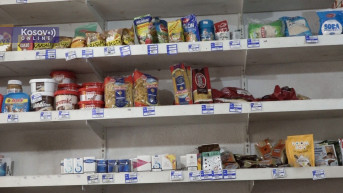
The price reductions of products from the action "Better price" launched by the Government of Serbia will not be felt in the budgets of citizens in Kosovo, because the goods that have been discounted cannot be found on the shelves for months, due to the decision of Kosovo Prime Minister Albin Kurti and the Government in Pristina to ban imports from Serbia.
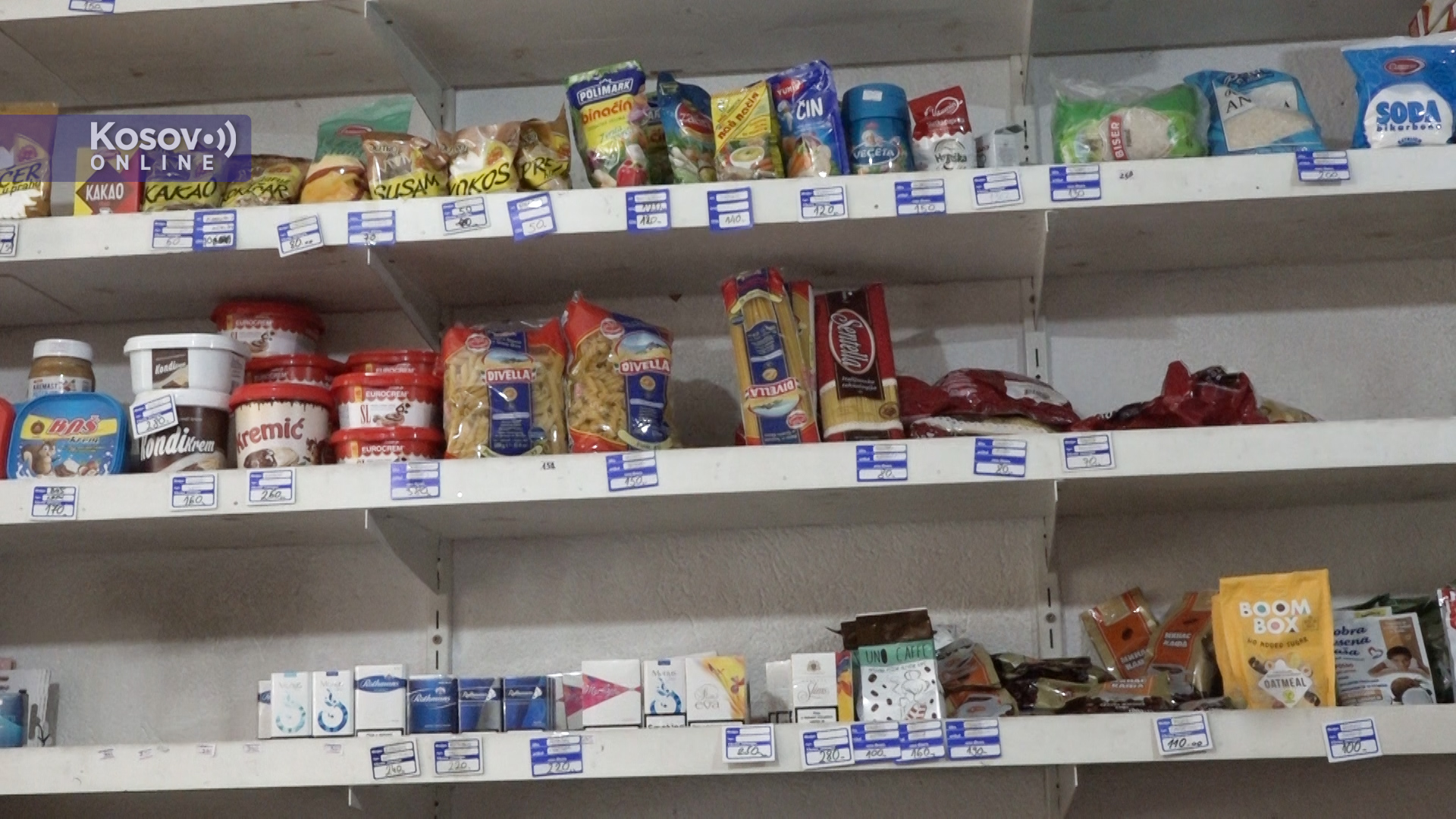
If one item is found in the market basket in Serbia from everything that has become cheaper in the previous days, the total price is calculated at 2,815 Serbian dinars. When comparing the prices in stores in the north of Kosovo, the same products, only from other manufacturers, cost a total of 3,415 Serbian dinars. This means that a consumer in Kosovo pays for a market basket of the same groceries for 600 Serbian Serbian dinars, that is, about 20 percent more than a consumer in central Serbia.
For example, from a few days ago, chicken baloney in Serbia cost 259 Serbian dinars per kilogram, while in the north of Kosovo, 320 Serbian dinars should be allocated for 800 grams of chicken baloney produced by the Macedonian "Pekabesko".
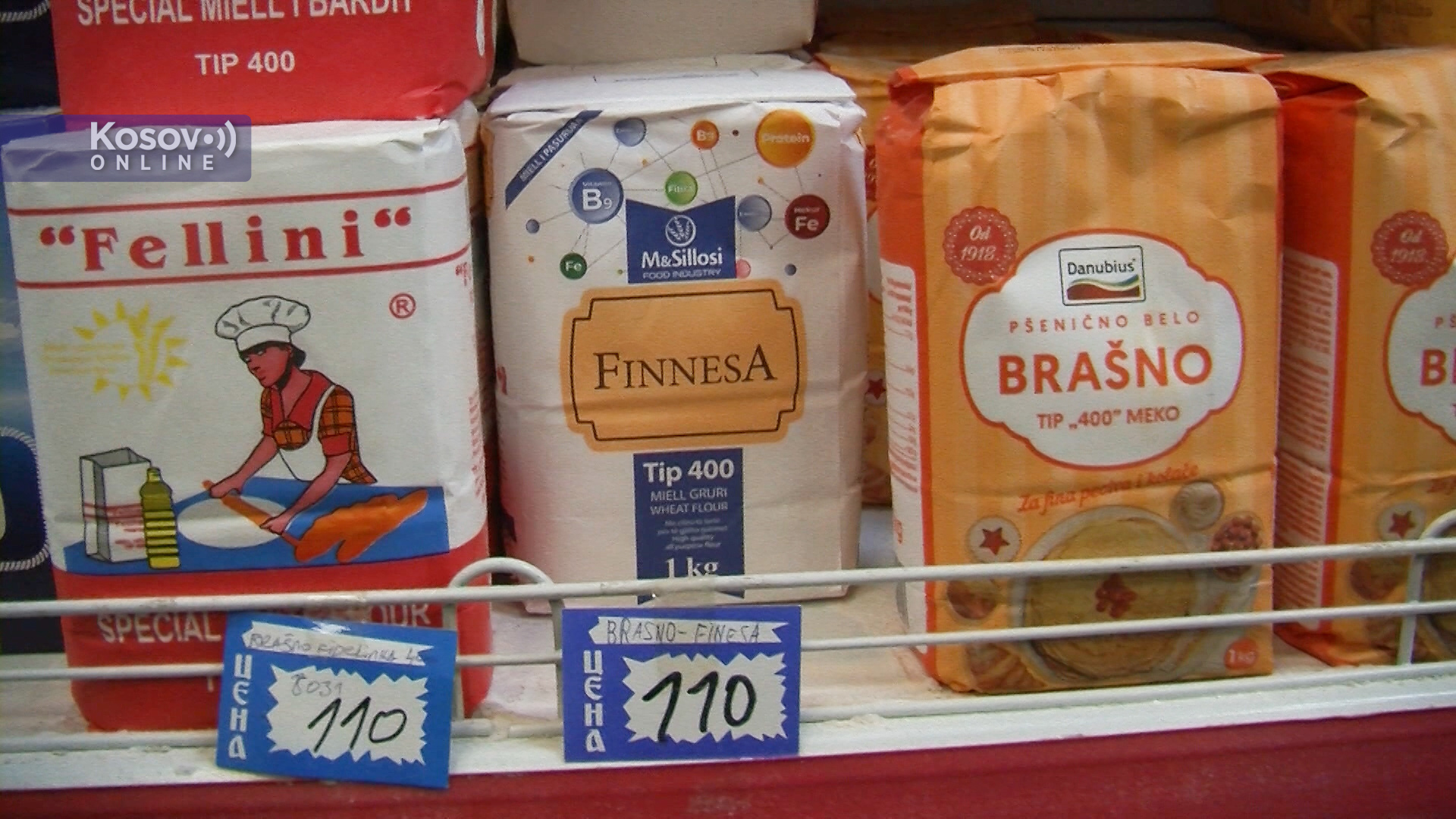
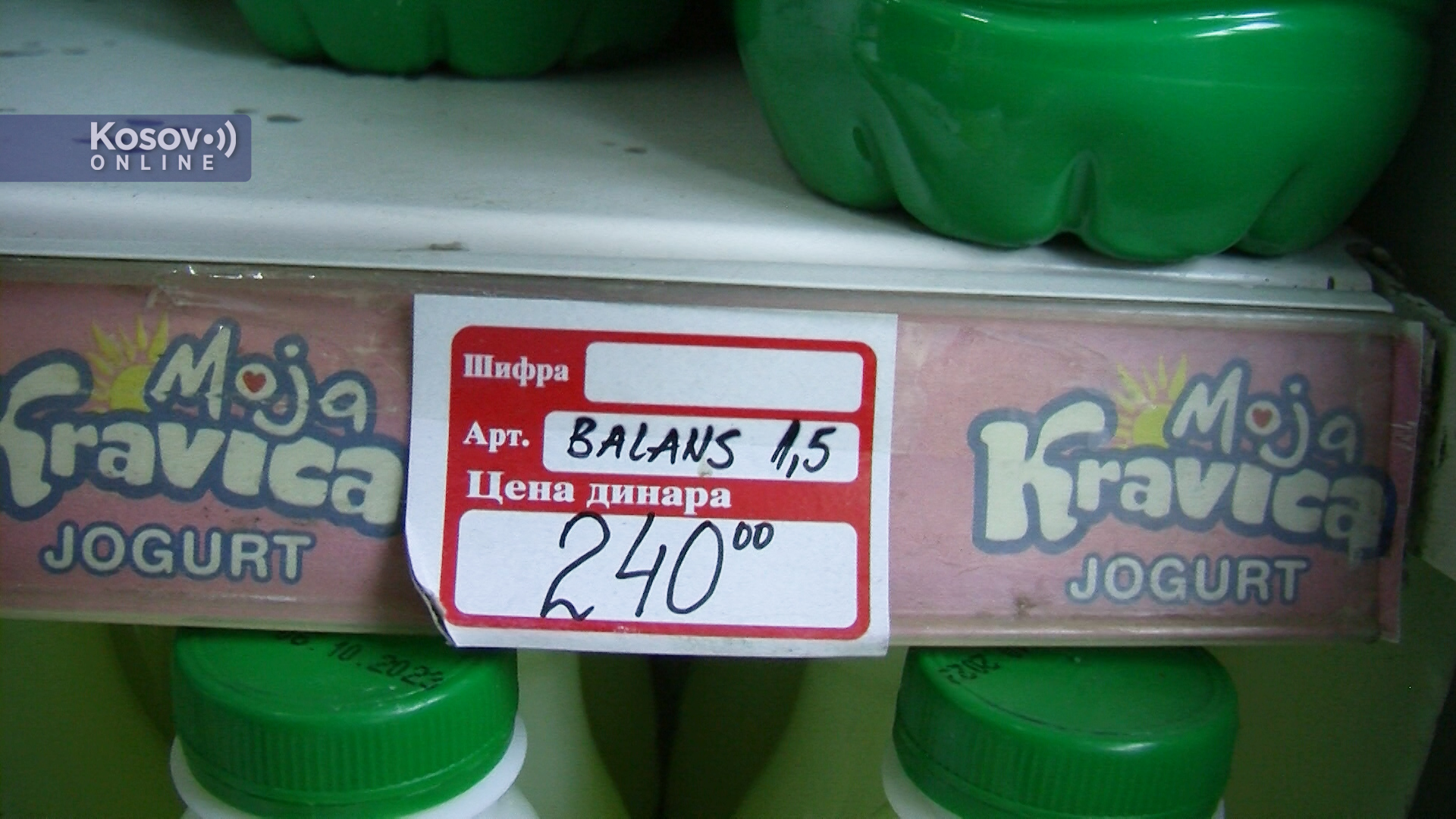
The price of yogurt in stores in Leposavic is 230 Serbian dinars, in North Mitrovica and Zvecan 240 Serbian dinars, while consumers in cities outside Kosovo pay 139 Serbian dinars for the same product. And while for a kilogram of flour in the north of Kosovo, you have to allocate 90 to 110 Serbian dinars, in Serbia the price of flour is now 50 Serbian dinars.
By far the biggest difference is in the price of beans - a kilogram costs 380 Serbian dinars in North Mitrovica, 400 Serbian dinars in Leposavic, and 259 Serbian dinars in Serbia after the discount.
| CENA POTROŠAČKE KORPE Srbija-Kosovo | ||
| Proizvodi | Srbija | Kosovo |
| Parizer pileći | 259 | 320 |
| Jogurt | 139 | 230-240 |
| Deterdžent za suđa | 69 | 70-140 |
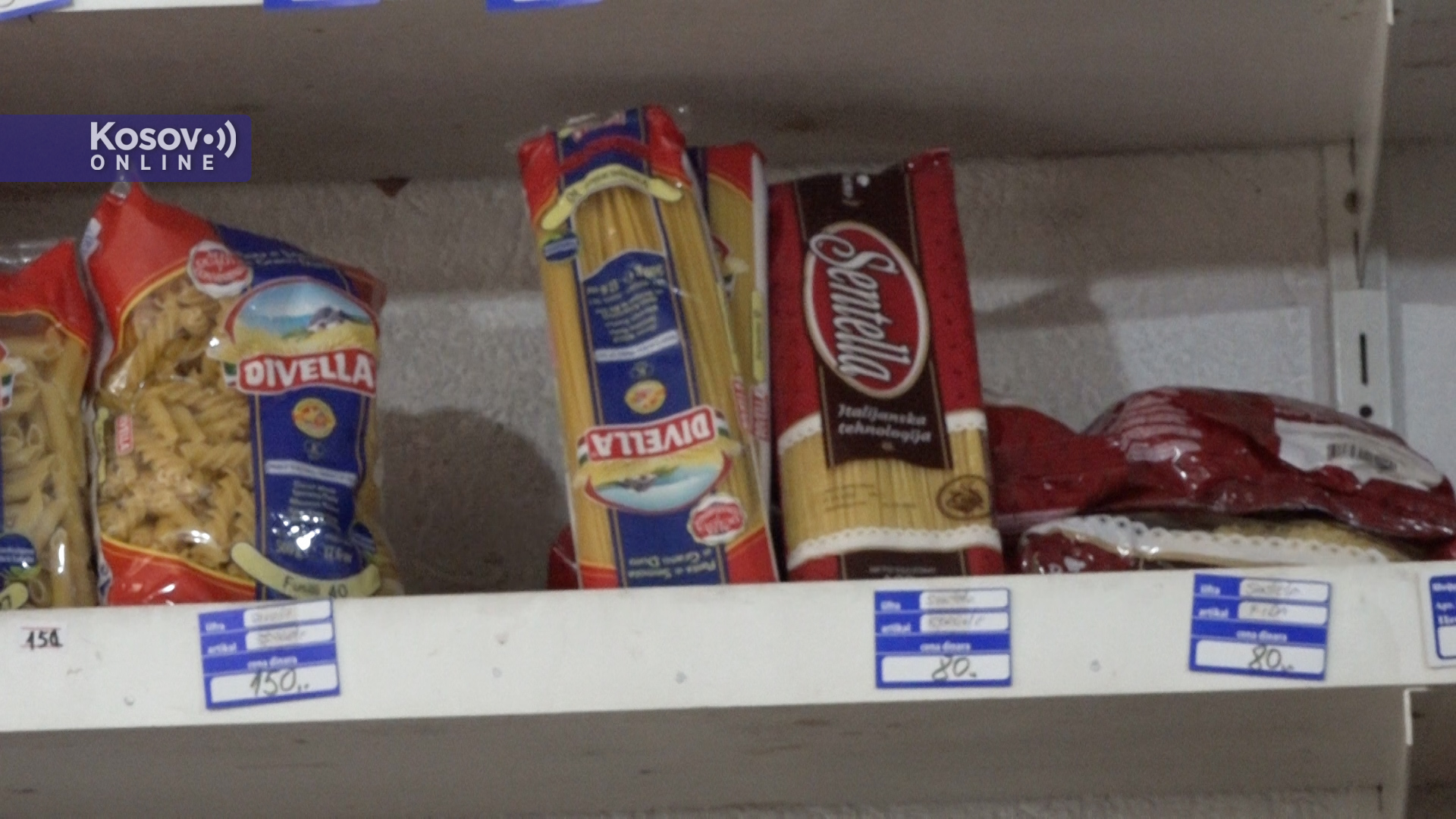
| Špagete | 49 | 70-170 |
| Dugotrajno mleko | 95 | 130-180 |
| Sok (2 litra) | 80 | 140-200 |
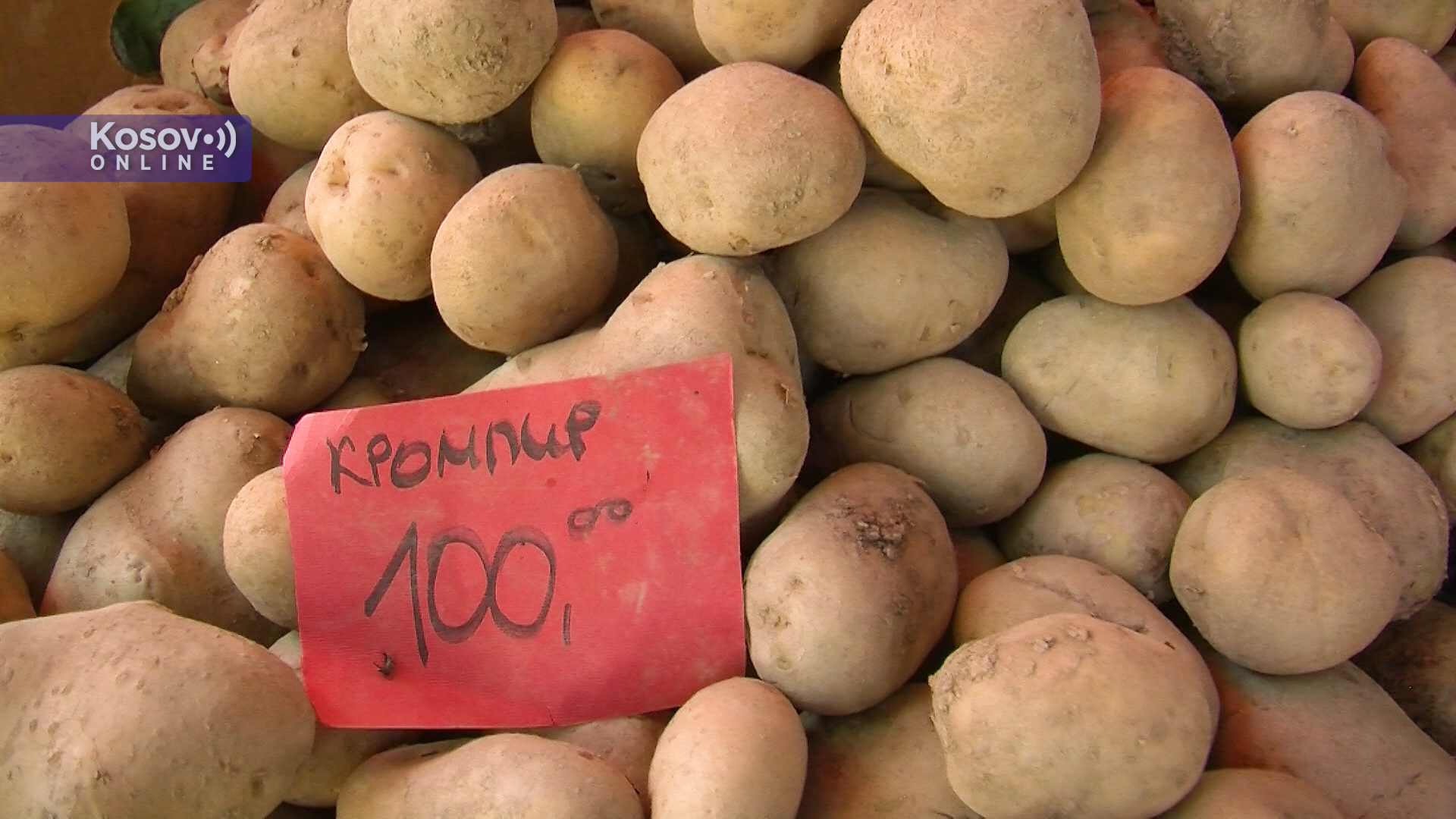
| Krompir | 60 | 80-100 |
| Domaći začin | 50 | 100-140 |
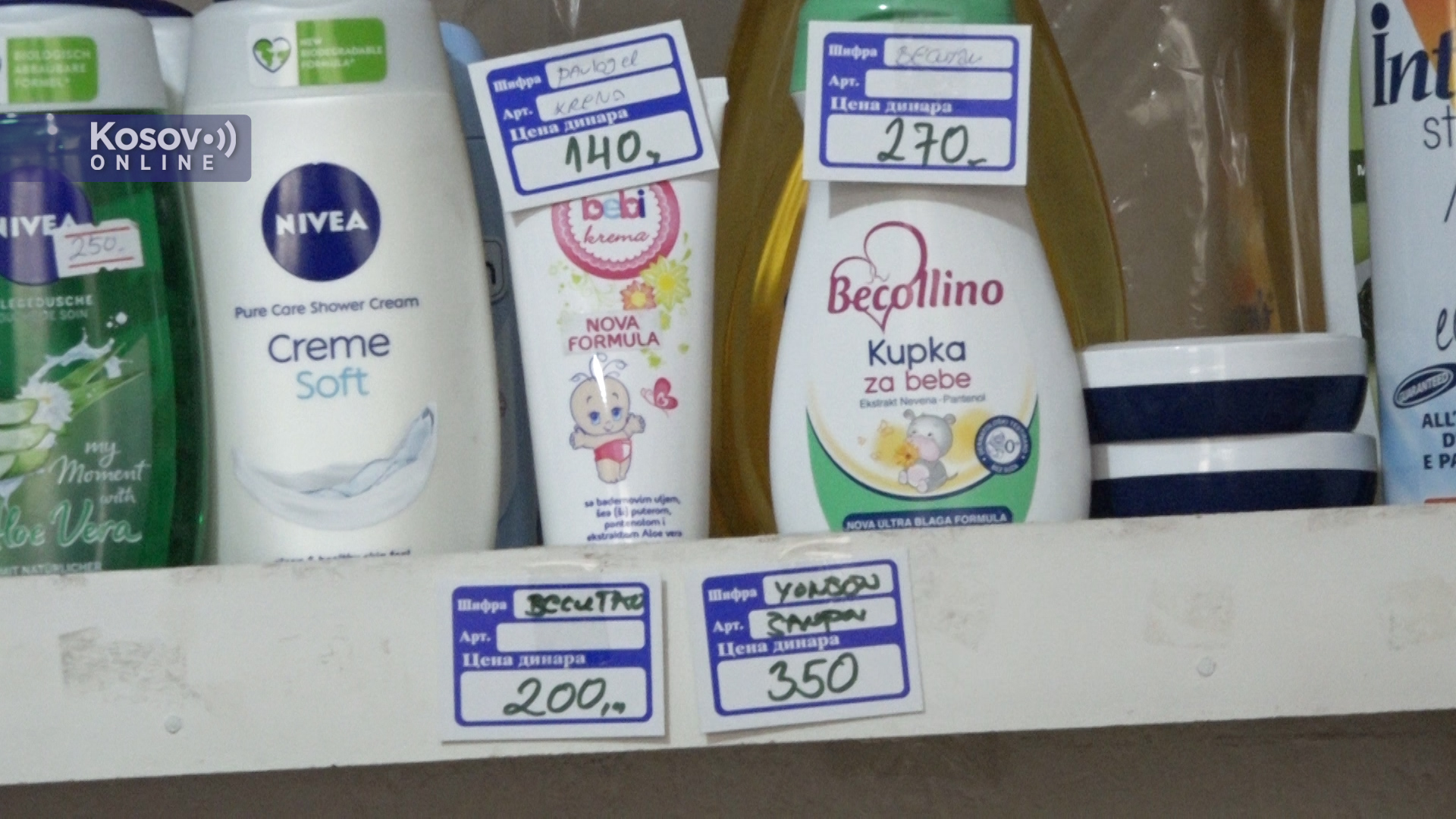
| Šampon za bebe | 69 | 200-380 |
| Kafa | 89 | 100-180 |
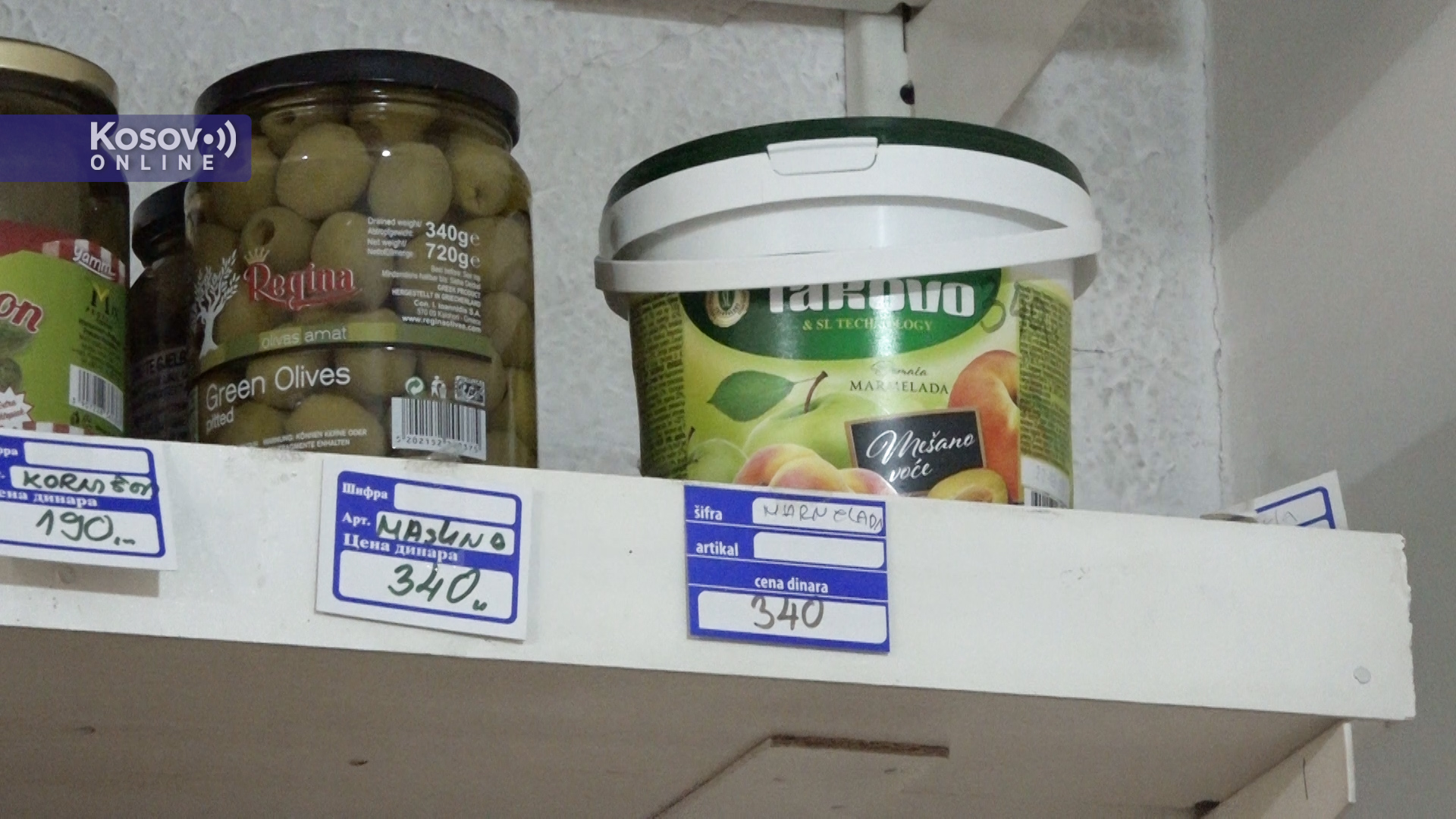
| Marmelada | 199 | 340 |
| Džem | 299 | 200-240 |
| Suncokretovo ulje | 144 | 200-240 |
| Brašno | 50 | 90-110 |
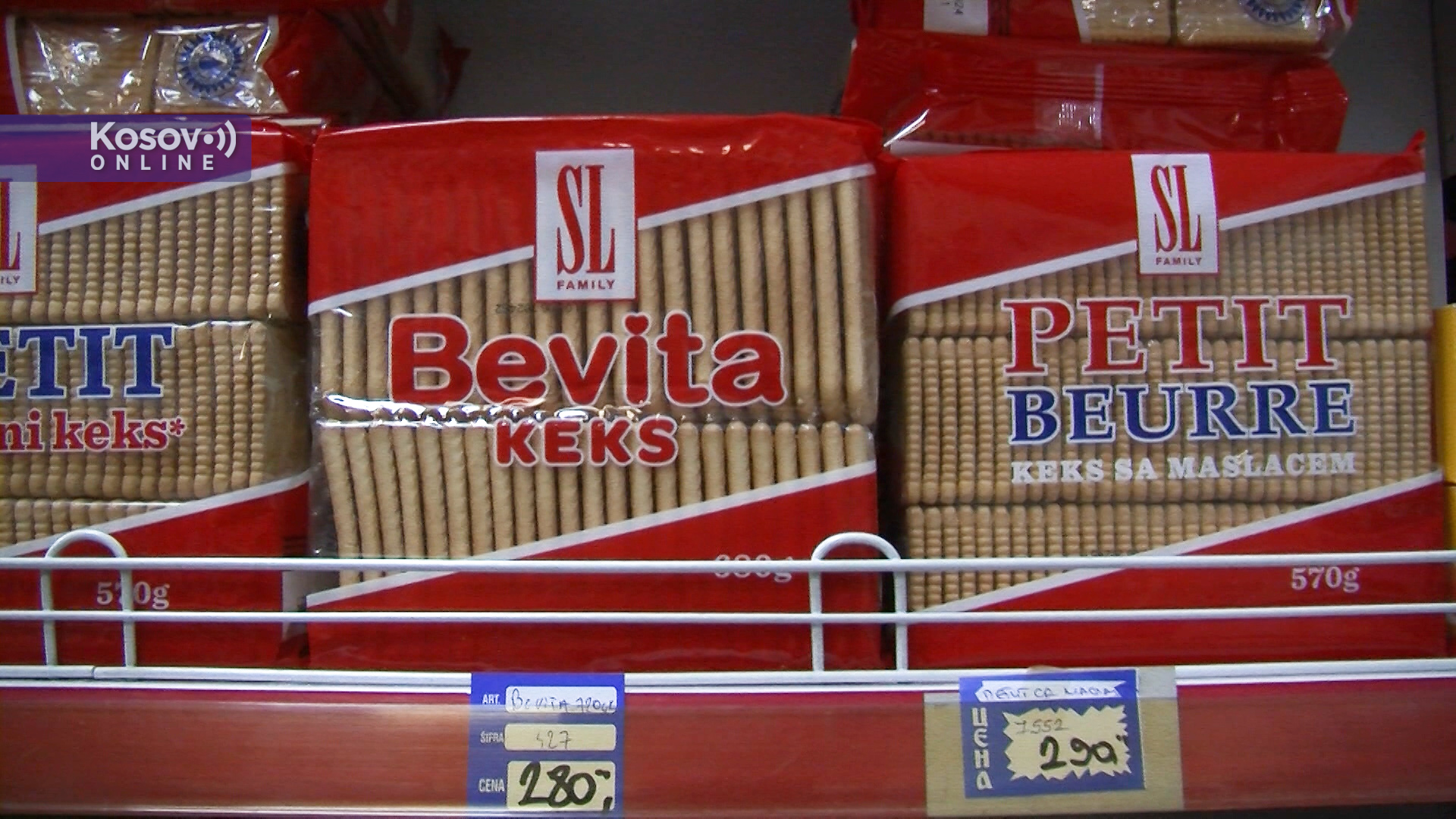
| Keks | 119 | 110-290 |
| Namaz Sirko | 159 | 115-140 |
| Pasulj | 259 | 380-400 |
| Viršle | 79 | 90-140 |
| Pašteta | 49 | 60-120 |
| Grašak | 139 | 170-190 |
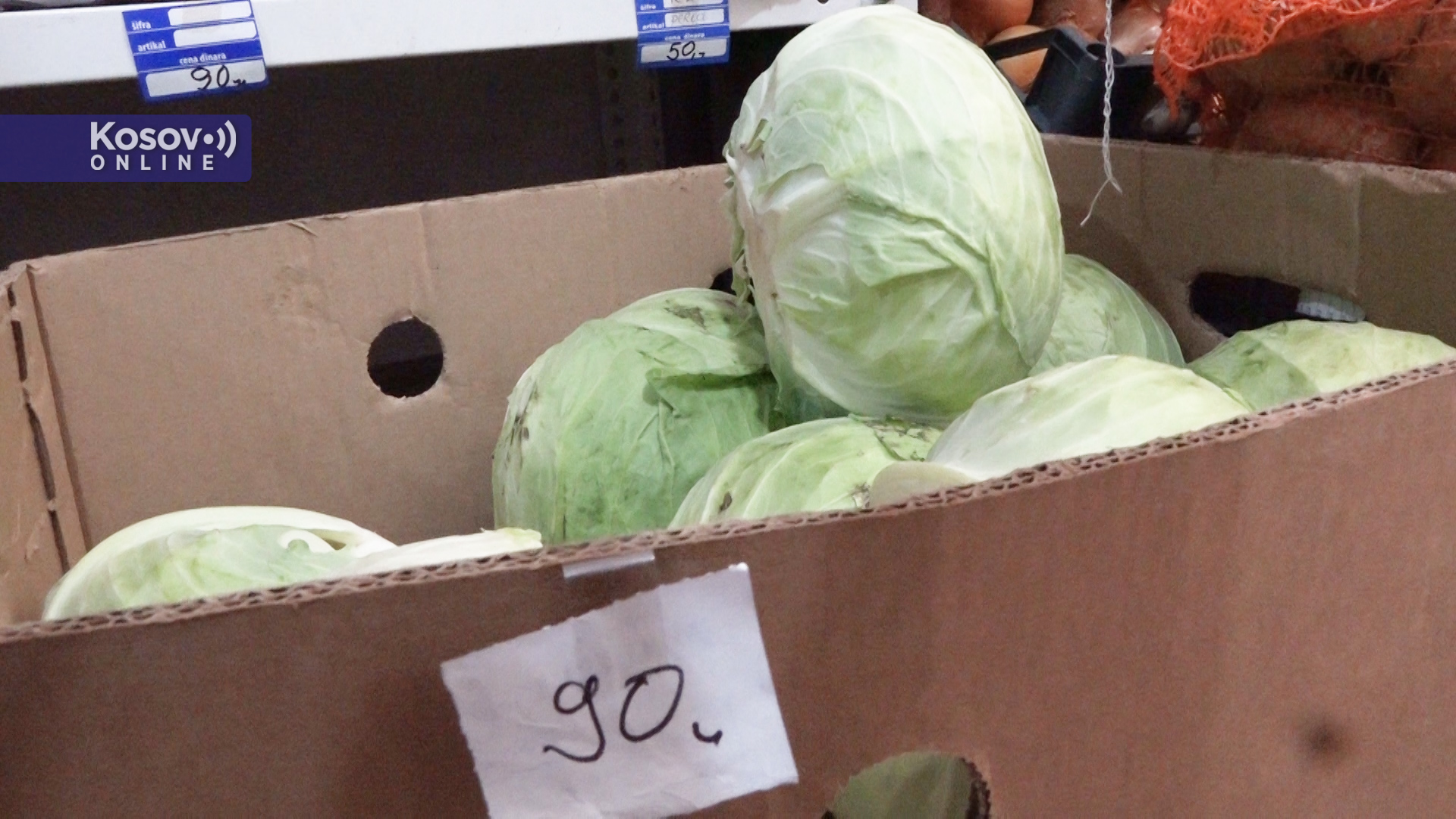
| Kupus | 69 | 80-100 |
| Margarin | 79 | 110-135 |
| Kiselo mleko | 64 | 100-160 |
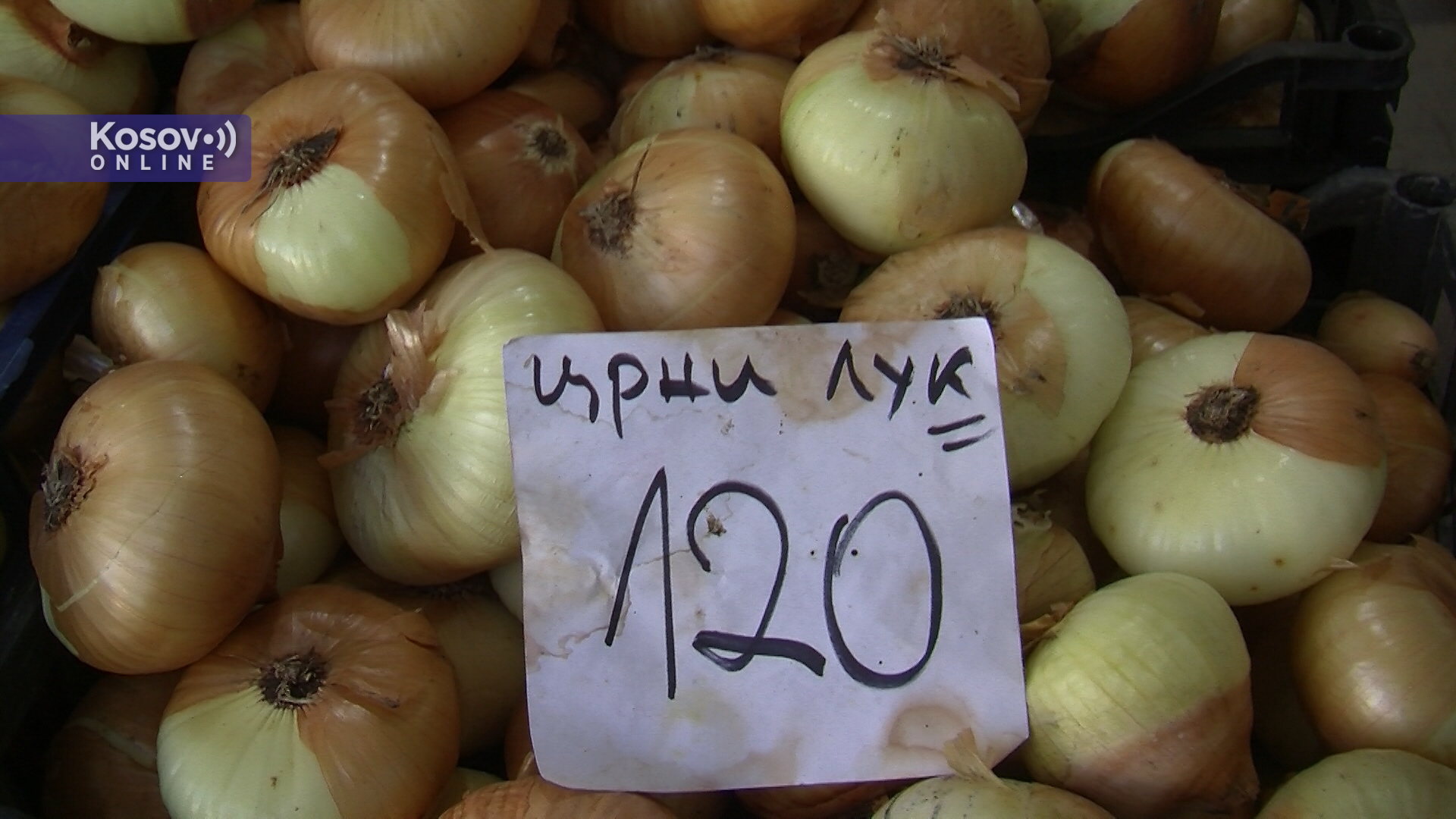
| Crni luk | 79 | 120-130 |
| Pasta za zube | 99 | 90-310 |
| Sapun | 40 | 50-110 |
| 2.815 | 3.415 | |
| Cene su u dinarima | ||
Citizens in the north of Kosovo, with whom Kosovo Online reporters spoke, accept these differences in product prices with displeasure and openly question whether, as they say, "Pristina will come to its senses and enable a better life for everyone."
One of the citizens of Leposavic praises the move of the Serbian Government, noting that he hopes that prices will decrease in his town as well, and adds that the best option would be to allow the unhindered flow of goods from Serbia to Kosovo.
"I think that this is the right move by the leadership of Serbia, that the reduction of basic foodstuffs has been implemented. It would be good if this was also implemented in the north of Kosovo, where the situation is difficult, both economically and politically. It would alleviate the situation we are in, which every day marks friction, really in problems that we did not expect. Since there are no goods from Serbia, now they are mostly replaced by products from Macedonia, they are also quality goods, but it would be significant if their price were also corrected. The best option would be to allow products from Serbia," he said.
And while soured milk has recently been available in Serbia at a price of 64 Serbian dinars, in the north of Kosovo, you have to pay 100 to 150 Serbian dinars for this food, depending on whether it is a Macedonian or a Kosovar product.
The price of sunflower oil in Serbia will be lowered from the current 160 to 144 Serbian dinars per liter, and in Kosovo, even before the reduction, it was from 200 to 240 Serbian dinars in Serbia.
Baby shampoo in Serbia can be bought at a price of 69 Serbian dinars, while in Kosovo, the cheapest ones are "Becutan" at 200 Serbian dinars, or "Becollino" shampoo, which costs 210 Serbian dinars.
A resident of Zvecan says that it would mean a lot to the citizens of Kosovo if some of these products could be found in the local market.
"It would mean a lot to us as if we were in Serbia, we would feel that way. We pensioners have low incomes, which is very bad," she says.
An elderly man from North Mitrovica says that it would mean a lot if there were products from Serbia again, especially medicines, but also "baloney because not everyone can afford hanger steaks and pork chops".
"That would mean a lot for us here. I see that the opposition is criticizing the Government because of that baloney, I eat it even today because I don't have more options, for pork chops, and hanger steaks. I eat according to my options, and I don't complain, and neither do my people. It's a nice thing, and it would be nice if I could buy medicine at a cheaper price, like in Serbia. I have to pay for the trip to Raska or Kraljevo where I can find them. They don't exist here," he says.
The citizens we talked to say that it is clear to them that for purely political reasons someone is trying to make life difficult, not only for the Serbs, but for all citizens in Kosovo, but they say that it is not clear to them that Kurti is also working against the Albanians with his decisions because cheaper basic foodstuffs from Serbia would be a convenience for all consumers.
The ramp for the import of Serbian goods to Kosovo has been lowered for three months.
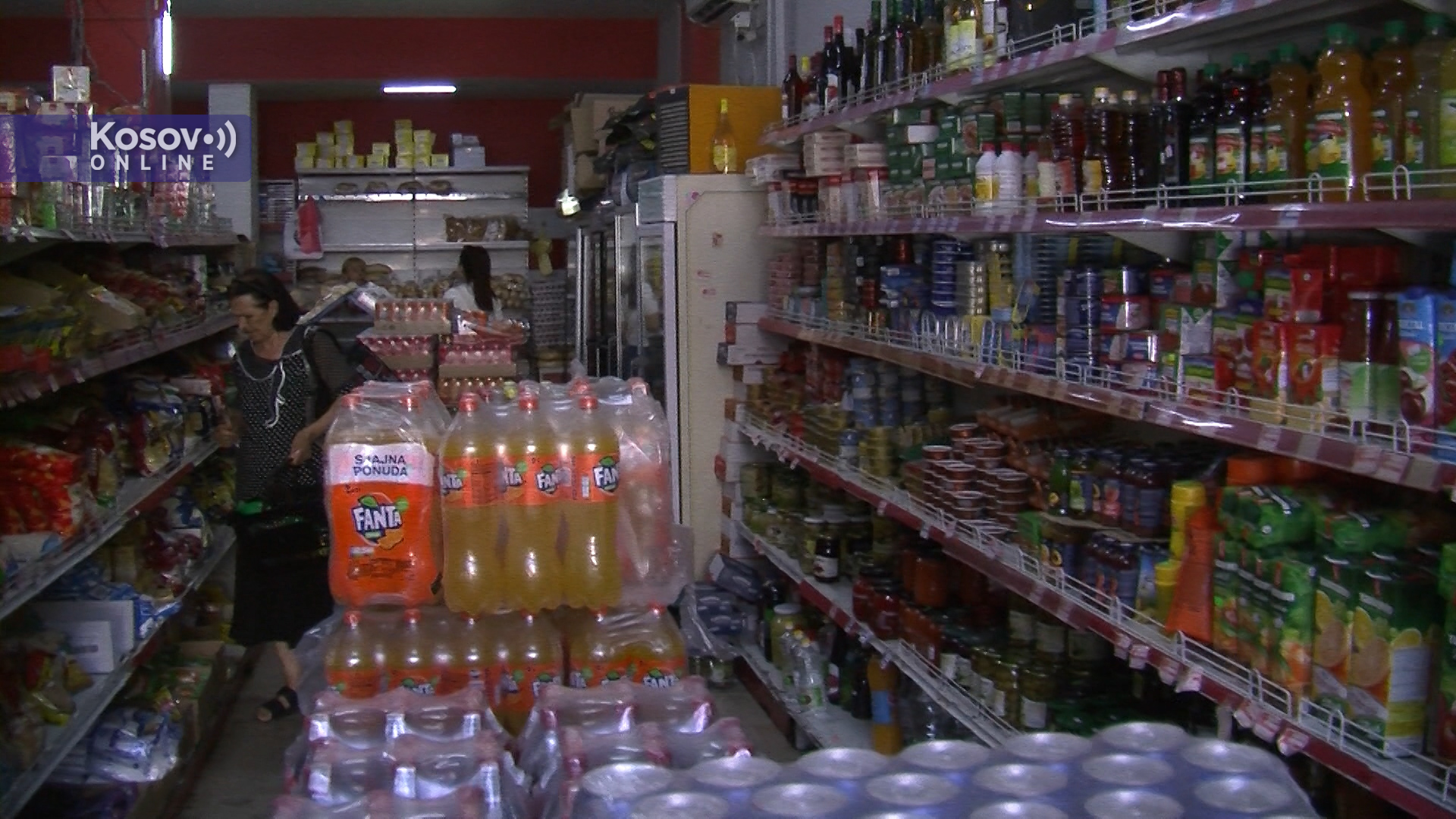
The claims of international representatives that work is being done to de-escalate the situation, the citizens of northern Kosovo perceive as empty promises and say that they are forced to buy lower-quality goods at higher prices in markets, waiting for the day when Imlek's cow, Plazma, and detergent will be available again, as well as that yogurt from Raska with the symbolic name "Granica" (border) crosses the administrative line and finds its way to consumers in Kosovo.






comments