
Remembrance of the bloody harvest in Staro Gracko: As long as I live I will carry their pictures
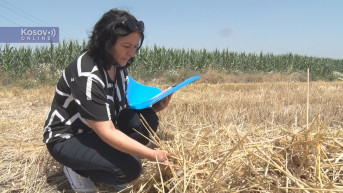
Not a day goes by that I don't remember them, especially now when I see the harvester, it's harvest time, and I start crying and remember that I don't have my own, Slavica Janicijevic Popovic says for Kosovo Online, who lost her brother, father and two uncles in the bloody harvest on July 23, 1999.
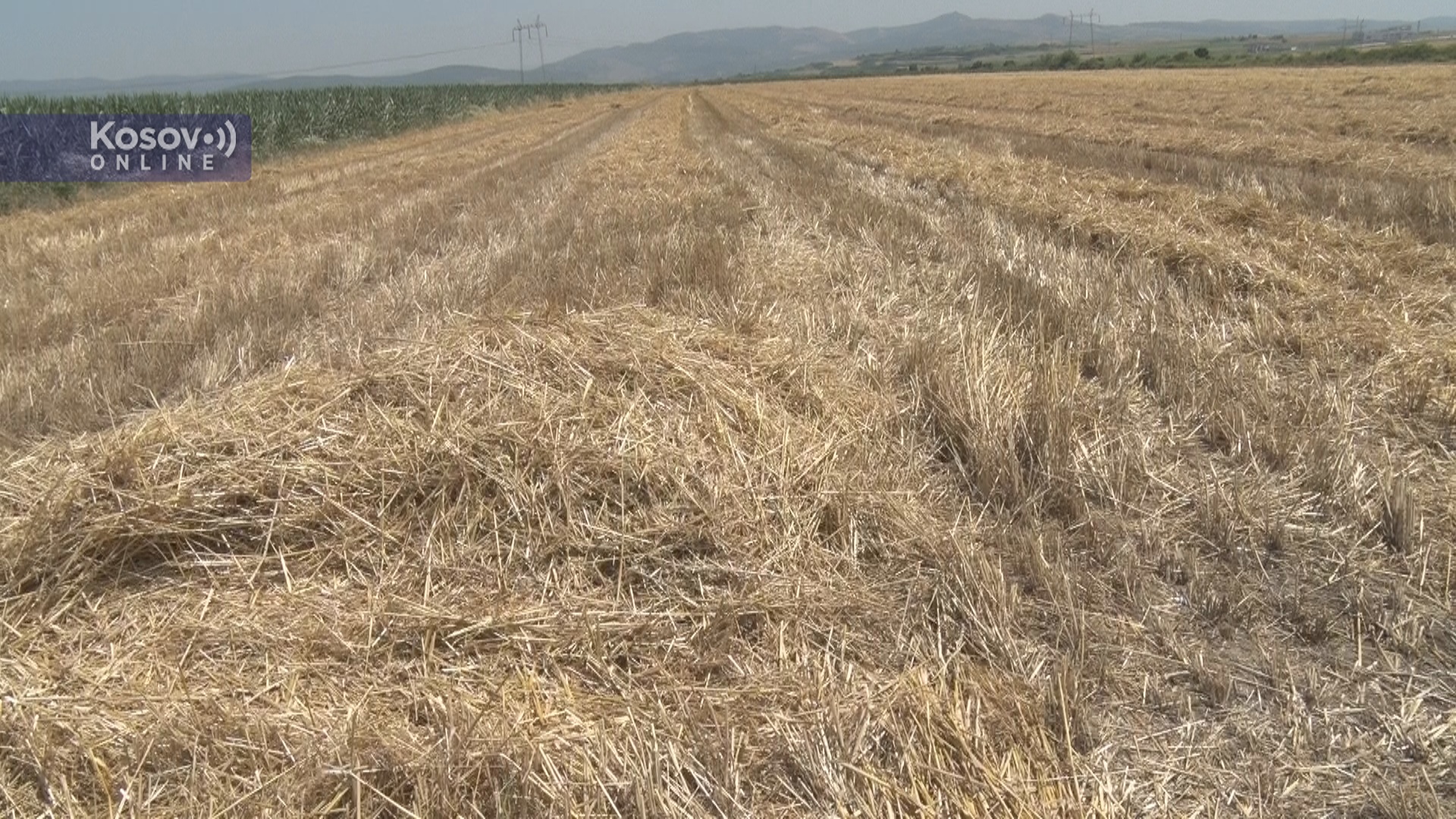
The month of July in Staro Gracko is remembered for the pain, the harvest that did not bring grain, but colored the ears red. On that sunny day, the blood of fourteen inhabitants of this village was spilled.
On July 23, Slavica Janicijevic Popovc lost four family members - her father, two uncles, and a brother who was only 17 years old - Novica Janicijevic.
"It was warm that day, however, later around 6:00 p.m., when they went to harvest, some wind started blowing. That happened in Gracanica as well, and here too, the locals say so. I was notified at 3:00 in the morning because we didn't have a telephone connection. They called me from Kragujevac and told me that my family had died. What can I say - that pain follows me to this day. They were kept in Pristina for six days, an autopsy was allegedly performed, and however, we don't have anything from that, no paper. The funeral was on Wednesday, my brother would have turned 18 on Monday, he was killed on Friday, and he was buried on Wednesday. That funeral remained in my painful memory, and the words of Kushner who said that he would move every stone to find the perpetrator, 24 years later there is nothing," Slavica Janicijevic Popovic recalls.
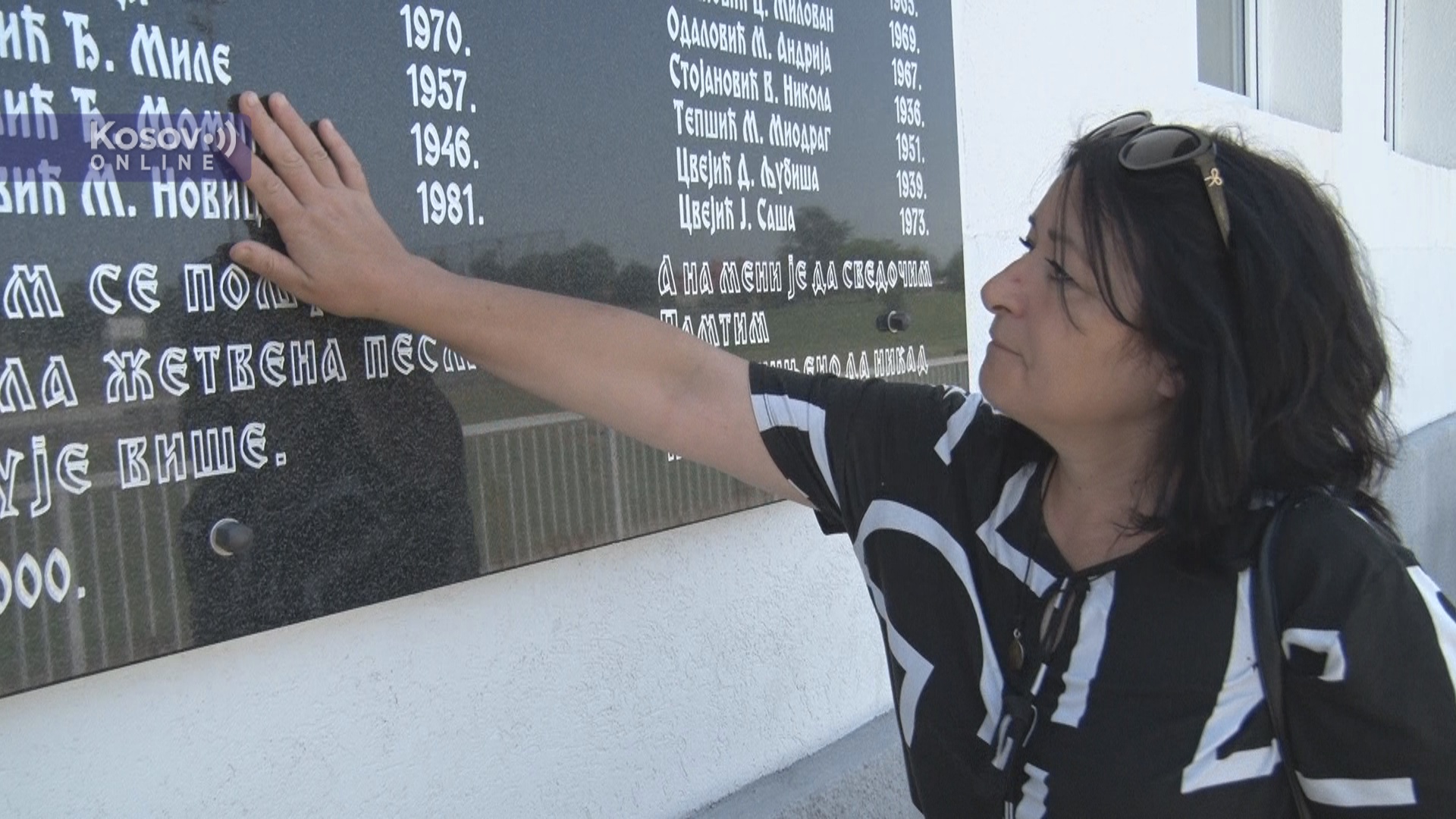
Together with Novica, Milovan Jovanovic, Jovica and Rade Yivic, Andrija Odalovic, Slobodan, Mile and Momir Janicijevic, Stanimir and Bosko Dekic, Sasa and Ljubisa Cvejic, Nikola Stojanovic and Miodrag Tepsic succumbed to wounds caused by hundreds of bullets.
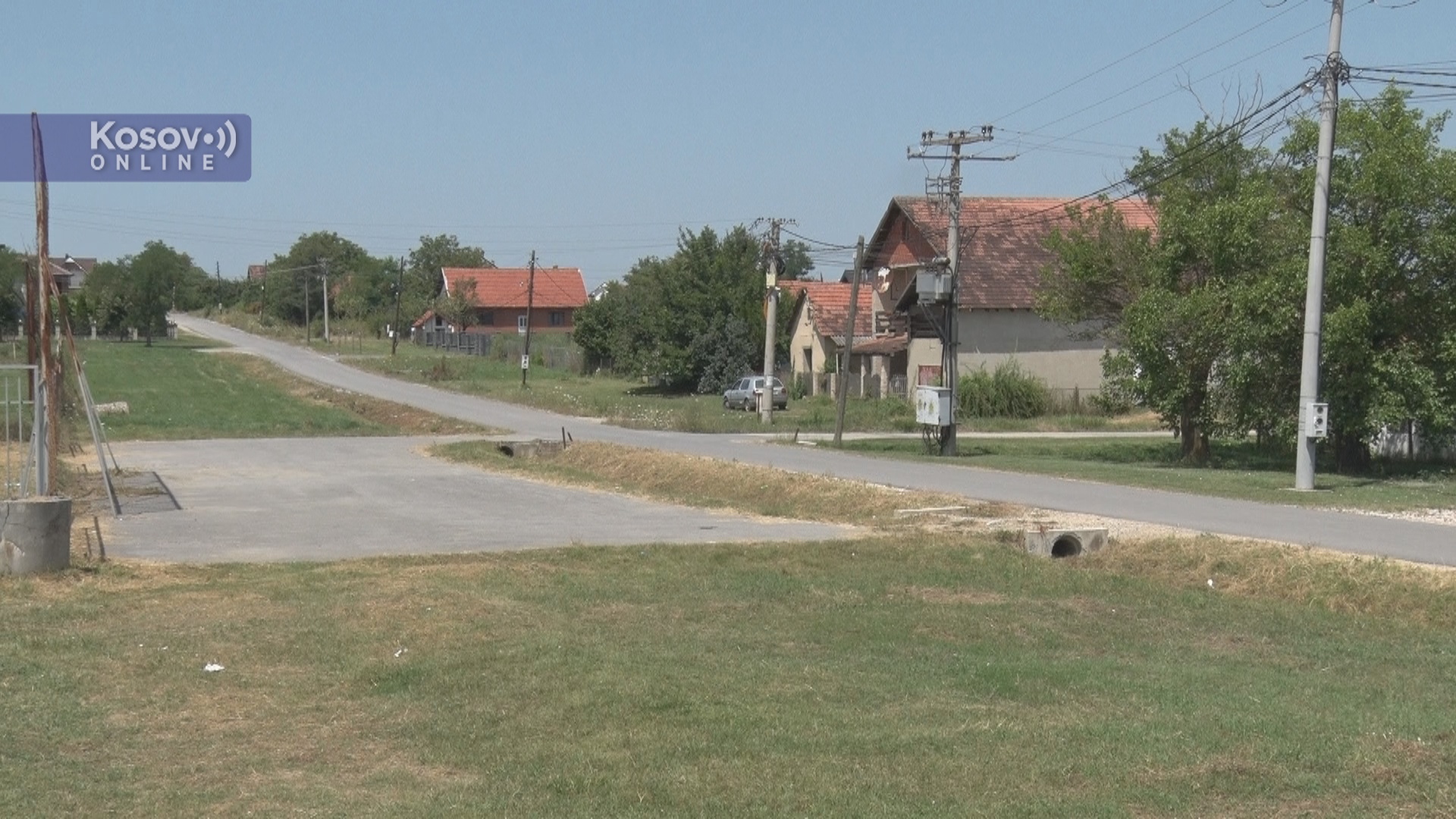
Families go to the cemetery exclusively under escort, life in the village has changed, young people leave, and Slavica does not leave the house without photos of her loved ones and says that she will carry them as long as she lives.
"As long as I'm alive, I will carry a picture of my relatives, but also of all 14 victims. Every KFOR soldier I see, even in Gracanica, I show them a picture, so that they know that the perpetrators were not punished and that 14 harvesters were massacred. As long as I'm alive, I will carry the pictures. My brother gives me great strength; he is with me, at least that's how I feel. Not a day goes by that I don't remember them, especially now when I see the harvester; It's harvest time, and I’m starting to cry. I remember that I don't have my own family that's how life goes," Slavica says through tears.
In October 2007, UNMIK arrested Mazllum Bytyqi from the village of Veliki Alas, near Staro Gracko, on suspicion of having participated in the murder of Serbian harvesters, however, he was released from custody two months later due to lack of evidence.
"I blame KFOR, which was in charge of everything. I often wonder why they weren't followed. That's what I would like to ask the army that was here, why they didn't go to follow our villagers that day," Slavica asks.
Seven Albanians were under investigation, but none were held accountable for the crime. In 2017, the Special Prosecutor's Office in Pristina, together with EULEX, suspended the investigation due to a lack of evidence.
"That news was their second funeral for me. The second funeral of my brother who was killed at the age of 17. All those who were massacred. That from institutions, such as EULEX and KFOR, with which we lived in the hope that they would help us, you get such a decision that the investigation has been suspended. It is painful for every family, we look at them as protection, as support, to find every Serb in Kosovo. I don't know how they were allowed to make such a decision without asking the families, I think it is our business too because we are damaged as families," Slavica points out.
Every year in Staro Gracko, in front of the monument to the innocent victims, a commemoration is held, from where international representatives are invited to reopen the case, but thay also says that the Serbs will not forget their victims.
On the monument, next to the names of the victims, it is written: "In my village, the happy harvest song is no longer heard, and it is up to me to bear witness and remember the evil committed, so that I never forget".


0 comments