
Ristanovic: Serbia went through hell, but through perseverance and the will of its people regained its freedom
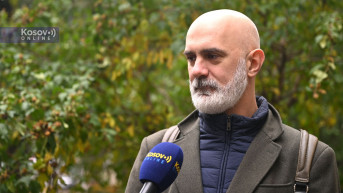
Armistice Day in the First World War represents one of the most significant dates in the modern history of the Serbian people, as it symbolizes the restoration of Serbian statehood, victory after immense suffering and the fulfilment of a generational dream of unification, historian Petar Ristanovic said.
“Today we celebrate the day when Serbia formally restored its statehood and, after going through the hell of the First World War, emerged victorious. The Serbian people emerged victorious and, in a sense, fulfilled their generational dream—that all Serbs, as well as the neighboring peoples who were regarded at the time as brotherly Slavic peoples, should be united in a single common state,” Ristanovic told Kosovo Online.
He pointed out that the holiday commemorated one of the greatest ordeals in the history of the Serbian people, particularly in their modern history.
“In 1914 and 1915, the Serbian state essentially ceased to exist, although our government and king never acknowledged this. What followed was an epic ordeal rarely seen anywhere in the world: the government and the king, even the relics of saints, the entire National Assembly and the people went into a collective exodus, from which freedom was reborn after three long years of warfare,” Ristanovic said.
According to him, this bears witness to the extraordinary perseverance, determination and will of the Serbian people to defend the land on which they have lived for centuries and on which they wish to remain.
Speaking about relations between Serbs and Albanians and their differing perceptions of the events of that period, Ristanovic noted that during the First World War, as in the wars that preceded and followed it, the two peoples were largely on opposing sides.
“As far as Serbs and Albanians specifically are concerned, in that war, as in the subsequent war and the earlier period under Ottoman rule, they mostly found themselves on different sides. There are therefore different perceptions of the events during and after the war, although those differences are far less pronounced than they are regarding the events of the Second World War,” the historian said.
Ristanovic added that for Serbs, the end of the First World War represented the fulfilment of a generational dream, while Albanians viewed the events of 1918 differently.
“For the Serbs, it was the fulfilment of a generational dream, while Albanians view what happened in 1918 as a historical injustice, completely disregarding the fact that they found themselves on the side that did not emerge victorious from the war,” Ristanovic concluded.
Serbia and countries around the world are marking Armistice Day in the First World War today, commemorating November 11, 1918, when the signing of the armistice between the Allied Powers and Germany brought the Great War to an end. More than 17 million people were killed in the conflict, while around 20 million were wounded.



0 comments