
Vujinovic: Agreements on hosting prisoners in Kosovo pose a threat to the region
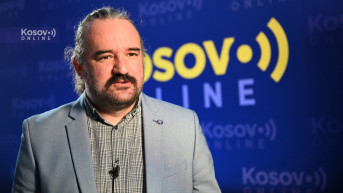
Security Studies researcher Nikola Vujinovic stated that Kosovo’s negotiations to accept foreign prisoners from Denmark and Belgium, as well as migrants from the United Kingdom, carry more political than economic significance, but warned that in doing so, Kosovo could become a hub of security threats for the entire region.
“First of all, I believe this is a political instrument of their activity. Although it may seem like a somewhat convenient way to attract economic investment, the financial gain is far smaller than the political benefit,” Vujinovic told Kosovo Online.
He added that such agreements would not accelerate Kosovo’s path toward international organizations.
“There are certain conditions that must be met, and Serbia plays a key role in preventing that. Essentially, this is more of an attempt to gain political support,” Vujinovic explained.
Commenting on caretaker Prime Minister Albin Kurti’s proposal to open centers in Kosovo for asylum seekers from the United Kingdom, Vujinovic said that the Albanian community presents this as a gesture of gratitude toward countries that supported their independence.
“In essence, it’s an attempt to secure political favors in the future, when obstacles such as EU or Council of Europe membership could potentially be removed,” he said.
Vujinovic recalled that Albanian Prime Minister Edi Rama has already begun opening migrant centers in Albania for people arriving from Italy.
“Kosovo is following the same path, trying to present itself as a good ally and reliable partner in relocating illegal migration from Western countries to Kosovo’s territory. This is a political tool, not an economic opportunity,” the analyst from Belgrade added.
Vujinovic warned that implementing such agreements could pose a serious risk not only for Kosovo but for the entire region.
“According to reports in the media, we’re talking about around 300 prisoners that Belgium is considering transferring to Kosovo. Prison escapes are not uncommon, violence is frequent, and these are not minor offenders, these are serious criminals involved in murder, organized crime, and drug trafficking. It is no coincidence that Belgium is insisting on this issue, considering who leads key criminal groups in Western Europe,” Vujinovic warned.
He added that the prisoners potentially deported would not only come from Kosovo but also from Albania, Montenegro, and North Macedonia, effectively turning Kosovo into a security threat hub.
“How will security function in this case? Will it be managed at the level of Kosovo’s prison institutions or according to Western prison system standards? Western prisons are far stricter than those in our region, and that’s something we must keep in mind. Whether that will be the case here, I don’t know. I hope so, if this plan is ever implemented at all,” Vujinovic concluded.



0 comments