
Blakaj: The US President cannot shut down the Special Court; there is a procedure for that
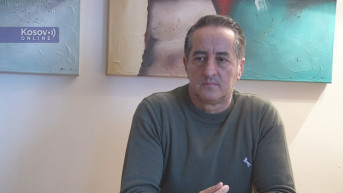
The Executive Director of the Humanitarian Law Center in Kosovo, Bekim Blakaj, tells Kosovo Online that it is entirely impossible for anyone, including the President of the United States, to shut down the Special Court in The Hague.
Lawyer from Pristina, Tome Gashi, also remarked that US President-elect Donald Trump cannot abolish the Specialized Chambers of Kosovo in The Hague, but Blakaj emphasized that there are clear procedures defining when and how this court can be closed.
“There is a law on the Specialized Chambers, which stipulates the only way the court can be closed: when the European Council informs Kosovo’s institutions that the court has completed its processes. This means that it is absolutely impossible for anyone to close the Specialized Chambers in any other way. The European Union and donor countries have invested a great deal, and they would certainly not allow the court to be shut down so easily,” Blakaj explained.
Hypothetically, he notes that if the court were somehow abolished, it would create a major problem because judicial processes cannot be interrupted without reaching their legal conclusions.
Commenting on Richard Grenell’s statement last year that Donald Trump, once re-elected, would work to ensure Hashim Thaci’s release, Blakaj said it is impossible for the president of any country to release a person charged with war crimes before the Specialized Chambers.
“That simply cannot happen. Grenell likely made that statement to advance his own political goals, but it truly cannot be realized,” Blakaj said.
Discussing the ongoing cases before the Special Court in The Hague, Blakaj notes that the prosecution has, on several occasions, announced plans to reduce the number of witnesses it intends to call to testify, which might accelerate the trials.
“Court President Trendafilova has set a deadline for the prosecution to conclude its evidentiary proceedings by April next year. However, the defense also has the right to call witnesses and present evidence, so I believe the cases will not reach a first-instance verdict for at least another year or more,” Blakaj assessed.
He also points out that court sessions were much more frequently closed to the public at the beginning of the trials than they are now, which, as he says, means that the prosecution has decided to be more transparent, allowing the public to hear testimony from more witnesses.
“Still, about 50% of the main hearings remain closed to the public. As a result, we often cannot hear the testimonies of witnesses,” Blakaj concluded.

0 comments