
Djokic on the trial of former KLA leaders: Many Serbian witnesses decided to testify without protection measures
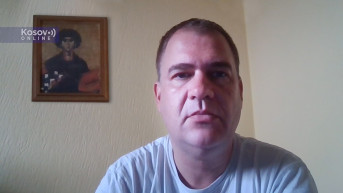
Historian Bojan Djokic assesses that the work of the Specialized Chambers in The Hague is more than satisfactory, adding that it is still early to make predictions since about 300 witnesses are yet to be heard in the trial against former KLA leaders, after which the defense will present its evidence.
Djokic said this for Kosovo Online on the anniversary of the start of the trial in The Hague for former KLA leaders Hashim Thaci, Rexhep Selimi, Jakup Krasniqi, and Kadri Veseli, who are charged with war crimes and crimes against humanity.
He points out that the defense of former KLA leaders is trying to shift responsibility onto the "angry and embittered Albanian population," and even denies the verdicts of courts in Kosovo that have established crimes committed by KLA members.
The historian reminds that the trial in the "Thaci and others" case is one of the processes where investigations were conducted by various authorities, and evidence had been collected for over 20 years.
"At the beginning, the trial was not transparent. After the judges' intervention, the Prosecutor's Office increasingly discloses evidence and witness testimonies to the public. Many Serbian witnesses have decided to testify without protection measures. As for Albanian witnesses, some of them changed their testimonies in court regarding the hierarchy within the KLA, and one Albanian witness even renounced parts of his book to protect the accused," Djokic said.
He noted that the defense had been trying to shift responsibility for the committed crimes onto operational zone commanders, adding that there was enough evidence to file charges against operational zone commanders and their subordinates.
Additionally, the defense relies on alibis, which Djokic finds very interesting.
"Some lawyers of the accused even deny the verdicts of courts in Kosovo that have established crimes committed by KLA members. The entire defense is trying to prove that the crimes are the fault of the angry and vengeful Albanian population in Kosovo. This is interesting because the court must determine whether the crimes were committed by KLA members or the angry Albanian population. If it turns out to be the latter, Albanians from Kosovo will be the only people from the former Yugoslavia territory collectively convicted of crimes," Djokic emphasized.
He notes that in the "Thaci and others" case, the accused submit requests every two months to defend themselves while released from custody, which the Court currently rejects because, as he explains, their release from custody could jeopardize the Prosecution's evidence process.
Regarding the Prosecution, he says that new evidence of crimes that were not included in the indictment has emerged during the trials. He adds that the defense demands that this evidence not be introduced into the case, i.e., that it be dismissed.
"According to the evidence presented by the Prosecution so far, Hashim Thaci was aware that the crimes were committed but ignored foreigners' demands and shifted responsibility to others. The case files also include testimonies of deceased witnesses, and the Prosecution has shortened the time for witness questioning for a more expedited process," he noted.
Djokic characterized the Prosecution's work so far as "more than satisfactory." However, he believes that Serbia started cooperation with the Specialized Prosecutor's Office in The Hague late.
"According to my information, cooperation started only in October 2019. Previous statements by politicians and individuals in Serbia have only harmed the Prosecutor's Office in The Hague. Families of victims were manipulated, and fear was instilled in these people. I call on politicians and individuals to refrain from making untrue statements and allegations about the Specialized Chambers in The Hague," Djokic stated.
Regarding the verdict, he said it was still too early to make predictions.
"We are still at the beginning of the trial. The Prosecution needs to present evidence from nearly 300 more witnesses, after which we need to wait for the defense's evidence process. It should be noted that Kosovo's membership in the Council of Europe would allow the accused to address the European Court of Human Rights in Strasbourg after the trial in The Hague," the historian concluded.

0 comments