
Vuksanovic: Reparations to be paid by convicted KLA leaders will be very important to victims’ families
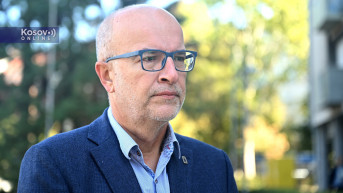
Slavisa Vuksanovic, legal representative of the Association of Families of Kidnapped and Missing Persons from Kosovo and Metohija, told Kosovo Online that the reparations the KLA leaders convicted in The Hague may be required to pay to victims and their families, if awarded, would be very important to the families. He also noted that the persons of Serbian ethnicity who have been granted victim status in this case are laypersons with no legal expertise and therefore believes that the Serbian state, through its competent institutions, should assist them in preparing the necessary submissions and forwarding them to the Victims’ Counsel before the Kosovo Specialist Chambers in The Hague.
Vuksanovic noted that 156 persons of all ethnicities have been granted victim status and that they were represented in The Hague by a single Victims’ Counsel.
“The families expect the competent state authorities and institutions to assist them in preparing their claims for compensation, which should set out the extent of the damage and the compensation sought. This includes compensation for material damage, as well as compensation for physical and psychological suffering,” he explained.
He recalled that 28 years had passed since the first kidnappings in 1998, but said that any compensation ultimately awarded would certainly be important to the families.
“If we are talking about missing parents, spouses or children, and also about those who survived torture, who were held captive and, by sheer chance, managed to be released from captivity by the KLA terrorist group through the intervention of the International Committee of the Red Cross, any form of compensation for family members would be welcome at this point, although that prospect is still a long way off,” Vuksanovic said.
He pointed out that reparations proceedings could take a long time.
Explaining the procedure, he said that the Victims’ Counsel must specify the form of reparation being sought, after which the Defense and the Prosecution are given an opportunity to respond.
“The Trial Panel will decide, in what is known as a non-hearing session, on the amount of reparations to be awarded to each victim. Given that we have seen both collective and individual forms of reparation, the Court will also decide whether all 156 victims will receive collective reparations or whether a specific amount will be awarded individually to each victim. Much will also depend on the assistance provided by this state—whether it will help persons of Serbian ethnicity prepare the claims that need to be submitted to the Victims’ Counsel, so that everything can be completed within the deadline set for October and they can exercise their rights,” Vuksanovic noted.
He recalled that in previous proceedings before the Kosovo Specialist Chambers in The Hague against Salih Mustafa, who was initially sentenced to 26 years in prison and later to 22 years, and Pjeter Shala, who was sentenced to 18 years at first instance and 13 years on appeal, the Trial Panels had ordered certain forms of reparation for victims or family members who had been granted victim status.
“In the Mustafa case, there were eight persons. Three were awarded EUR 30,000 each, one EUR 60,000 and one EUR 80,000, with the greater part of the compensation relating to what is known as material damage, while the portion relating to psychological and physical suffering was considerably smaller. In the Shala case, compensation was determined for seven persons, and the Trial Panel ordered him to pay a total of EUR 208,000 to persons who had been granted victim status,” Vuksanovic said.

0 comments