
Alberta to hold referendum on possible secession from Canada: Citizens to answer 10 questions on October 19
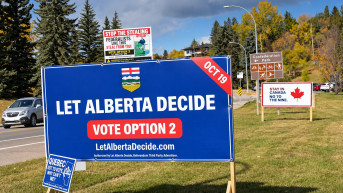
Residents of the Canadian province of Alberta will vote in a referendum on October 19 on ten questions, including whether to initiate a constitutional and legal process that could lead to secession from Canada. This time, voters will not be deciding directly on Alberta’s independence, but rather on whether its government should initiate a procedure that could ultimately lead to such a vote.
The Alberta referendum will be held on October 19, with voters answering ten questions formulated by the provincial government on the basis of recommendations from the “Alberta Next” panel, following consultations with citizens, experts and representatives from various sectors.
According to information published on the referendum website, the questions are divided into three groups: the first five concern immigration policy and access to public services, the next four concern amendments to the Canadian Constitution and the redistribution of powers between the federal and provincial governments, while the tenth question concerns the possibility of initiating a process to hold a binding referendum on Alberta’s separation from Canada.
What exactly does the secession question mean?
The tenth referendum question reads: “Should Alberta remain a province of Canada, or should the Government of Alberta initiate the legal process provided for under the Constitution of Canada to hold a binding provincial referendum on whether Alberta should separate from Canada?”
Voters will be able to choose between two options: Alberta remaining part of Canada, or its government beginning the legal process required to hold a future binding referendum on secession.
This means that the October 19 vote will not directly determine whether the province becomes independent. If a majority supports initiating the process, the government would then be expected to begin the legal steps necessary to organize a separate referendum in which voters would decide on actual separation from Canada.
This approach is also connected to a court ruling under which a binding referendum on secession cannot be held without prior consultations with Indigenous peoples regarding the potential consequences for their treaty rights.
The Alberta government is challenging that ruling and has filed an appeal, but until it is overturned or amended, it remains an obstacle to holding a binding referendum on secession directly.
The provincial government therefore decided to allow citizens to express their views on whether the process should be initiated rather than wait for the conclusion of a potentially lengthy court process, according to Alberta’s referendum portal.
If voters support the tenth question, that would not automatically mean that Alberta becomes an independent state. Further legal and constitutional steps would follow before a separate binding referendum could be held, including resolving issues currently before the courts.
Even if independence were supported in a future referendum, that alone would not mean that the process of separation had been completed. Secession would raise additional constitutional and legal issues within the Canadian system.
The Alberta government, led by Premier Danielle Smith, is officially urging citizens to support the province remaining within Canada while advocating greater powers within a united country. At the same time, through the referendum it wants to obtain a direct answer from citizens on the direction in which relations with the federal government should develop.
The first five referendum questions concern immigration and eligibility for access to public services.
Questions six through nine concern constitutional changes that would give Alberta and other provinces greater autonomy from the federal government.
Although the secession question is the most far-reaching of the ten, the referendum also includes a number of specific proposals that could alter the relationship between provincial and federal institutions. The outcome of the vote will therefore be an important indicator not only of support for separatist ideas, but also of public sentiment regarding greater autonomy for Alberta within Canada, according to the referendum portal.
Kosovo Online previously reported on the referendum and the movement advocating Alberta’s independence in December last year, when the electoral authorities approved a citizens’ initiative seeking a vote on secession from Canada. At the time, the separatist group “Alberta Prosperity Project” was given the opportunity to collect signatures in support of the question of whether the province should cease to be part of Canada and become an independent state.
At the same time, the opposing initiative “Alberta Forever Canada” advocated for the province to remain within the country. According to data from the official referendum website, around 700,000 residents signed one of the two petitions concerning whether Alberta should remain in Canada or separate.
As Kosovo Online also reported, Canadian Prime Minister Mark Carney and Indigenous peoples strongly oppose a referendum on Alberta’s secession. Carney has said that Alberta is “essential to Canada.”
Journalist Zeljko Sajn has also written for Kosovo Online about Alberta’s position within Canada, pointing out that a political and economic dispute between Alberta and the federal government in Ottawa has been ongoing for decades. At the center of the dispute are energy policy, revenues from natural resources, provincial powers and the question of how much influence the federal government should have over the development and export of Alberta’s resources.



0 comments