
Lavrov: The West recognized Kosovo’s independence without regard for Serbia’s territorial integrity
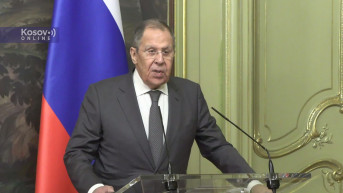
Russian Foreign Minister Sergey Lavrov stated today that the West recognized the independence of Kosovo without considering Serbia’s territorial integrity, while in the cases of Crimea and Donbas it consistently invokes Ukraine’s territorial integrity.
“When it comes to recognizing the independence of so-called Kosovo, it is framed as the right to self-determination; when it comes to categorically disregarding the rights of the people of Crimea, and later Donbas, then it becomes a demand to respect territorial integrity. Everything is handled on a case-by-case basis,” Lavrov emphasized during a special session of the Antalya Diplomacy Forum, as reported by RT Balkan.
He stated that a rules-based world order has never existed, citing Kosovo as an example.
“A genuine rules-based order, beyond being a slogan, has never existed. When that slogan first appeared more than ten years ago, we asked to be shown the compendium of those rules that everyone is supposed to follow. It does not exist,” Lavrov stressed.
According to him, in the case of Kosovo, the “will of the people” was allegedly taken into account despite the absence of a referendum, and, regardless, support was given to what he described as Kosovo’s illegal independence.
“The residents of Crimea refused to live under the Ukrainian authorities, but Europe, after a lawful referendum, assessed that this was not legal, ‘because Ukraine’s territorial integrity must be respected,’” the Russian foreign minister said.
Lavrov is attending the forum as an honorary guest, and earlier held closed-door talks with Turkish Foreign Minister Hakan Fidan.
The forum in Antalya is being held from April 17 to 19.
The main theme of the event is “Reclaiming Diplomacy in a Fragmented World.”
Delegations from more than 150 countries are participating, including 22 heads of state and government, 14 deputy heads of state and government, more than 50 ministers—among them 39 foreign ministers—as well as over 500 senior officials and 79 representatives of international organizations.
comments