
What do Belgrade, Pristina, and the EU gain from the European proposal?
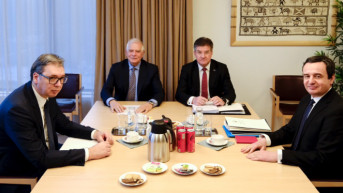
The European proposal, i.e. the framework for the normalization of relations between Kosovo and Serbia, which the EU announced after the meeting between the President of Serbia Aleksandar Vucic, and the Prime Minister of Kosovo Albin Kurti in Brussels, brings more to Serbia than Kosovo, above all when it comes to the CSM, as well as the status of the Serbian Orthodox Church, while the EU will show that it is capable of turning the frozen conflict into cooperation, Kosovo Online interlocutors from Belgrade and Pristina stated.
According to Igor Novakovic, director of research at the ISAC fund, the European proposal brings Serbia the opportunity not to look like the culprit in a difficult geopolitical moment.
"Serbia has behaved constructively and underlined its red lines, which quite opens up the possibility for dynamic and effective negotiations. However, the key thing, if the draft appeal that appeared earlier is to be believed, is that one of the conditions for the functional implementation of what was yesterday agreed in Brussels - the formation of the Community of Serb-majority Municipalities. Certain interests of Serbia have the prospect of being satisfied, and what the outcome of everything will be we have yet to see, bearing in mind the very severe reactions in Pristina by the political elite, which leads us to the conclusion that this process can take quite a long time," Novakovic tells Kosovo Online.
According to our interlocutor, the gain for Kosovo is the potential possibility for some of the NATO and EU member states that do not recognize Kosovo to do so, if they understand that this is the key step by which they will overcome their concerns related to their own interests.
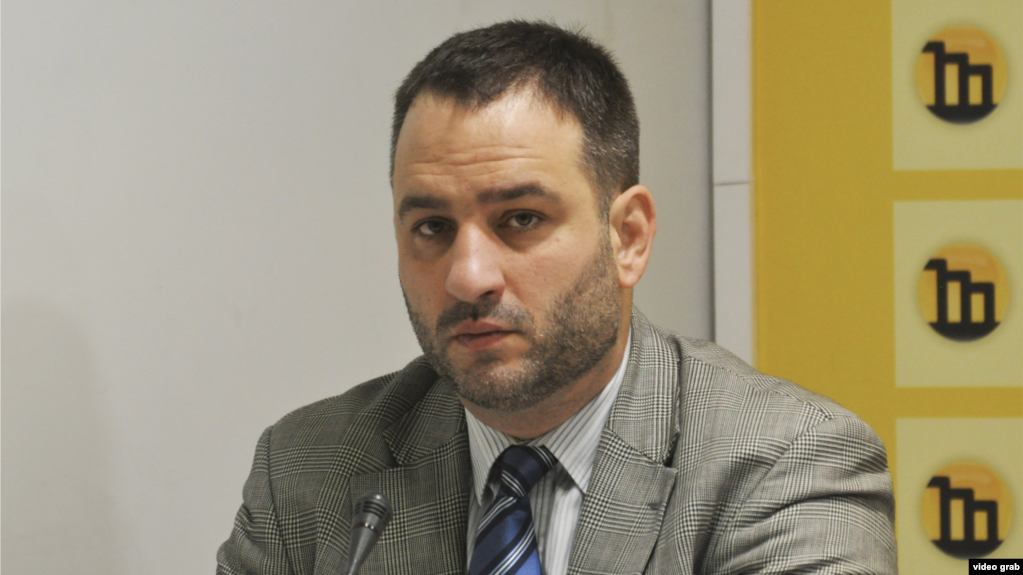
"However, it should be kept in mind that none of the countries that did not recognize Kosovo did so because of Serbia and its politics, but because of their own interests, because most of them, have internal ethnic and territorial internal problems. So it is very likely that they will remain with that attitude Nevertheless, a kind of international perspective is opening for Kosovo, which does not necessarily have to be so bad for Serbia, especially when it comes to joining certain organizations," Novakovic believes.
When it comes to the "profit" of the European Union from such an agreement, Novakovic says that it is reflected in the EU's ability to prevent future escalations, that is, that it has obtained a mechanism for stabilizing the region.
The director of the IFIMES Institute from Ljubljana, Zijad Becirovic, tells Kosovo Online that the meeting in Brussels represents an important step forward, but there is still a lot of work ahead of the actors.
"The meeting showed the historic responsibility and commitment of the key actors for peace, stability, and prosperity. At yesterday's meeting, the President of Serbia, Aleksandar Vucic, strengthened his international position and showed that he is a key political leader for peace and stability in the Western Balkans. The Kosovo side expected Vucic's refusal of the Franco-German plan and at the last moment when they saw that there was no rejection of the plan, they also accepted it. Serbia, that is, the Serbian community gets Serbian self-government in Kosovo, which means the Community of Serb-majority Municipalities (CSM), while Serbia will not oppose Kosovo's membership in any international organization," Becirovic says.
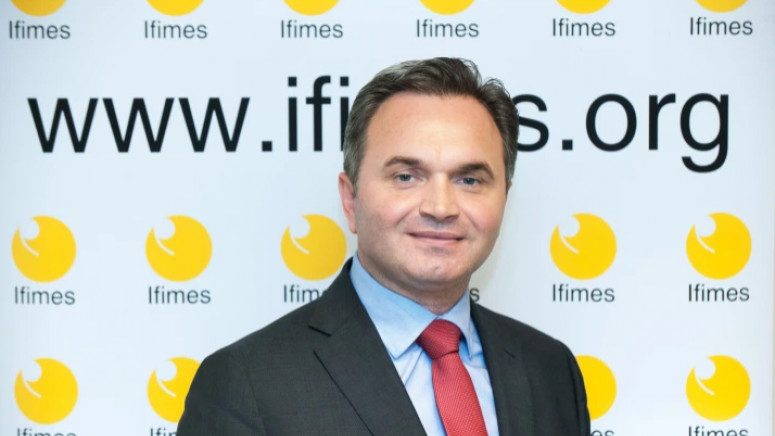
However, as Becirovic adds, this does not mean automatic international recognition for Kosovo.
"And here we come again to the UN and the UN Security Council, in which the two permanent members, China and Russia, have the right of veto and do not recognize Kosovo's independence. Another problem that Kosovo faces is that it does not have the number of two-thirds of the countries that have recognized its independence for eventual voting in the UN General Assembly. This is precisely the greatest achievement of President Vucic during the negotiations in Brussels. It is considered in international circles that President Vucic has already taken the initiative when it comes to the negotiations in Brussels for some time. The normalization of relations between the official Belgrade and Pristina is also the normalization of the region, for which the actors of the meeting should be congratulated, and thus, besides the region, the EU gains the most," Becirovic says.
The president of the New Kosovo Alliance, and the former president of Kosovo, Behgjet Pacolli, points out for Kosovo Online that yesterday in Brussels, by approving the "famous" document, better known as the European one, both sides got their obligations.
"Kosovo will inevitably establish and implement the Community of Serb-majority Municipalities. Kosovo will finally accept the extraterritoriality of the Serbian Orthodox Church in Kosovo. Kosovo will implement all agreements signed so far. Serbia is obliged not to hinder Kosovo on the Euro-Atlantic path; to respect the existence of Kosovo's statehood, and to cooperate with Kosovo as with any other country. Serbia will facilitate the participation of the Serbs in the state institutions of Kosovo. Serbia will continue to finance the Serbs in Kosovo. Serbia will move towards European integration and maintain relations with Russia. Serbia is not obliged to recognize Kosovo, but also not to obstruct it on its way," Pacolli says.
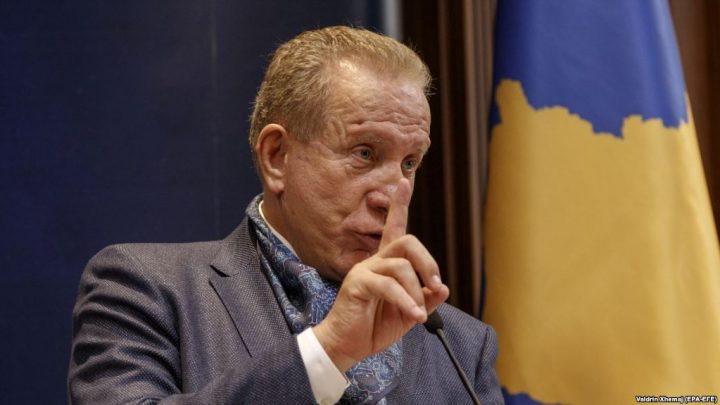
Pacolli points out that the agreement was not proportional and that Serbia gets a lot, more than Kosovo.
"But it's good that there is an agreement, and with time and raising public awareness, it will be seen that this agreement was more than necessary. Great credit goes to our traditional friends, the US and the EU, to whom the people of Kosovo and Serbia should be grateful," Pacolli said.
Lawyer Milan Antonijevic says for Kosovo Online that this plan benefits both Serbia and Kosovo and the EU.
"Several issues are on the table, which can be achieved through successful negotiations, first of all, autonomy for the Serbian community in the north and in the enclaves, with clear powers and responsibilities. Then, there is autonomy for the Serbian Orthodox Church as part of cultural heritage preservation and protection. Thus, as a consequence of the acceptance of the plan, the possibility of further escalation is eliminated and the provocations to which the Serbian community in Kosovo is exposed daily are eliminated. Kosovo, on both sides of the Ibar, gets a more promising path of development, regional cooperation, and building good-neighborly relations with Serbia. The EU proves that the largest peace project is capable of turning frozen conflicts into successful models of regional cooperation, and by including the entire region in the European community, many issues that seem controversial to us today, such as borders, and documents, become less important, towards raising the standard of living and security," our interlocutor says.
Antonijevic believes that the constructive attitude of Serbia, which it has shown even now in the negotiations, has achieved the fact that the solution before Belgrade is even better than those that were before the leaders of Serbia in the first decade of the 21st century, with which we got out of the bad practice of each subsequent solution being less favorable for Serbia.
0 comments