
Why the European proposal is seen by Pristina as a punishment for Kosovo?
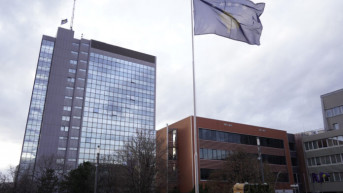
The European plan as a punishment for Kosovo? At least that is what many politicians, analysts, and members of the civil sector in Pristina claim, who do not hide their dissatisfaction with what happened at the last meeting in Brussels. According to the interlocutors of Kosovo Online, there is great resistance in Kosovo towards the European plan, primarily because there is no mention of recognition by Belgrade.
Coordinator of the Working Group for Chapter 35, Dragisa Mijacic told Kosovo Online that there was great resistance to the European plan in Pristina, primarily because of the disappointed expectations that this agreement would force Serbia to recognize Kosovo, which had not happened.
"In the previous period, Kurti raised expectations of what Kosovo wanted to achieve from this process, which is now being used by political parties to accuse the Government of Kosovo of failure in negotiations. In this way, the issue of dialogue and normalization of relations is placed in the context of the internal political struggle for power, which is expected from the point of view of the behavior of political actors, but it is counterproductive when it comes to reaching an agreement with Serbia," Mijacic says.
Political issues expert Shkelzen Maliqi states for Kosovo Online that there is a belief in Kosovo that the international mediators in the dialogue are making certain concessions to Serbia when it comes to the European proposal.
"There is a belief in Kosovo that the EU and the mediators in the dialogue working on the agreement are making certain concessions to Serbia and pushing the limits of the compromise that is based on Ahtisaari's plan and in the agreements that have been reached so far," Maliqi says.
He adds that in some way Serbia is favored in this proposal due to higher geostrategic goals and interests, while new concessions are demanded from Kosovo.
"I think that the internal Kosovo story is also a little politicized, who will sign the agreement in which the Community of Serb-majority Municipalities is put as some kind of new concession and there is a fear of its formation due to the example of Republika Srpska in Bosnia and Herzegovina," Maliqi says.
Maliqi states that the impression is that it is more important for the EU, the US, and the international community to have Serbia in the agreement because to some extent it is understood that Kosovo must sign as it is.
Dragan Sutanovac, president of the Council for Strategic Policies, points out for Kosovo Online that Kurti realized late that the international community must also respect some of Serbia's demands.
"Citizens base their expectations primarily on what politicians promise them or serve as their policy. If the promises are greater, then the expectations are more ambitious, however, the problem arises when the promises are unrealistic and the policy is exceeded. The Kosovo problem, no matter how much it depends on the international community certainly depends on both sides in the negotiation process, and this time Kurti realized too late that the international community must also respect some of Serbia's demands, especially those that have already been signed. With his rigid stance regarding the formation of the CSM and non-recognition of the Brussels Agreement in the part that he believes does not suit him, Kurti raised the bar of expectations and thus put himself in an unenviable position, bearing in mind that the opposition parties will have the right to attack him. According to my conviction, that attack is not because of the agreement, a large part of the opposition would accept the agreement, but it is an attack on Kurti as a political leader whom they would like to replace," Sutanovac says and continues: "On the other hand, the status of the Serbian Orthodox Church is one of the most important items of the agreement and I believe that Belgrade will persist in insisting that the Serbian Orthodox Church be established separately in the agreement. The events of March 17, 2004, went around the world, and everyone saw how the extremists treated the Serbian Orthodox Church, so it is clear to the international negotiators that this issue must also be resolved so that the vandalism does not happen again."


comments