
Why is the KSF being armed: On paper, civil protection forces, but with armored vehicles and snipers
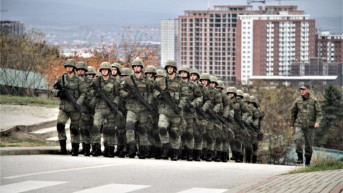
NATO Secretary General Jens Stoltenberg said in March 2021 that the North Atlantic Alliance continued to support the development of the Kosovo Security Forces under their original mandate, i.e. civil protection forces. Stoltenberg's position was repeated by other NATO officials during the previous period.
The question arises - which forces, for civil protection, train their members to be snipers, to handle mortars, and operate helicopters?
The Minister of Defense of Kosovo, Armend Mehaj, stated a few days ago that the new snipers of the Kosovo Security Forces had successfully completed their training at the Command for Doctrine and Training.
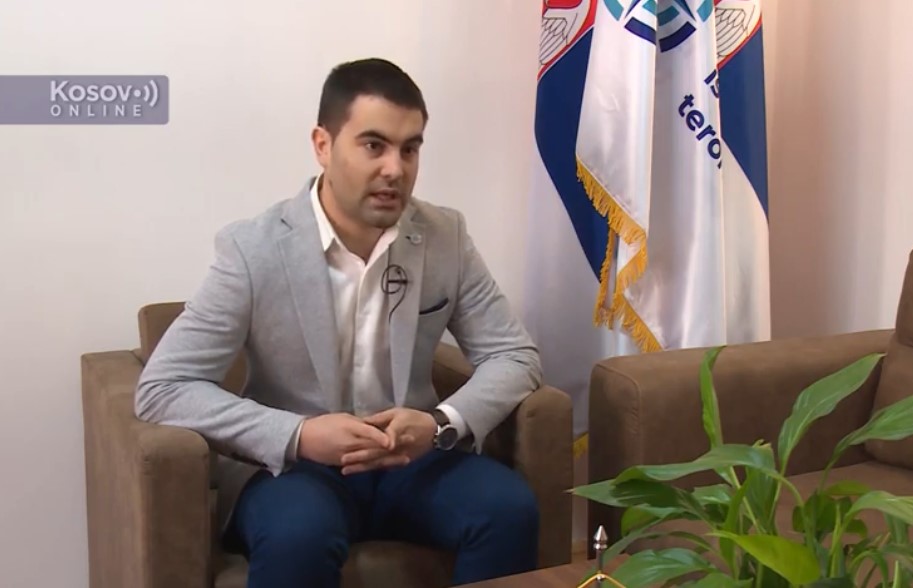
Military analyst Vlade Radulovic states for Kosovo Online that Pristina has identified Belgrade as the main danger.
"Pristina has identified Belgrade as the main threat, and accordingly, through a multi-year process, the KSF is being equipped and systematically strengthened. This is where the procurement of weapons and training is carried out, among other things, in relation to what the Serbian Army has at its disposal. So, although we are officially talking about 'security forces', the KSF in its organization, structure, ranks, and almost everything else de facto represents the so-called Kosovo army. In support of this is the fact that since 2018 they are in the process of transformation from the KSF into the so-called Kosovo Army, which according to the plan should end in 2028. In the end, one of the key results will be that this formation, when the reserve team is included, will have a total of around 8,000 members," Radulovic says.
Radulovic adds that this will create a situation where the KSF will have twice as many forces as the total number of KFOR members who are currently in Kosovo.
"Therefore, the further arming of the KSF represents a direct danger for the Serbs both in the enclaves and in the north of Kosovo and Metohija. However, since the KFOR maintains communication with them and in accordance with the previous agreement, the members of the KSF cannot enter the north without the prior approval of the KFOR commander," Radulovic says.
Kosovo Security Forces have already participated in two international missions, with the US in Kuwait, and with Great Britain, where as part of cooperation with London, a company was sent from Pristina to the Malvinas Islands, which caused strong protests from Argentina.
When asked how the KSF would develop in the coming period, that is, what weapon systems they could acquire, Radulovic says that it remains to be seen whether individual NATO members will want to equip the KSF with newer and more complex combat systems.
"They train and educate non-commissioned officers and officers in certain countries, organize exercises and activities with members of the KSF, and accordingly it seems that Pristina's plans for further procurement are, as expected, on their agenda; especially in terms of portable anti-armor and anti-aircraft systems, as and self-propelled mortars. However, the question arises as to how much NATO members will want to deliver the latest systems at the disposal of the KSF and how much the budget of Pristina will be able to follow their ideas and wishes. On the other hand, there must be also communication between the Serbian Army and KFOR, which at this moment, represents an extremely important item in terms of any kind of peacekeeping and protection of the Serbs living in Kosovo and Metohija," Radulovic points out.
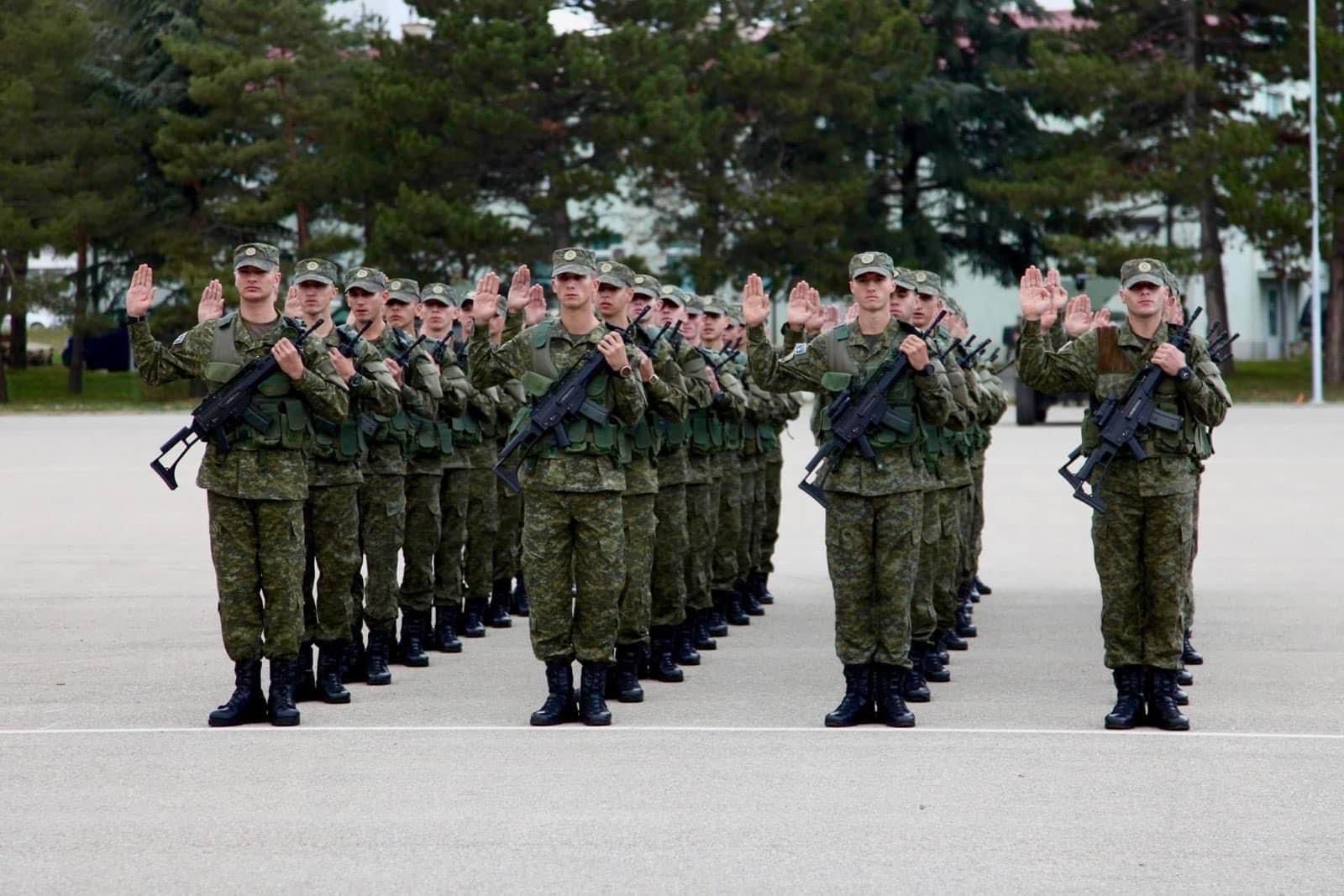
KSF members were recently in Turkey, where they participated in the rescue operation and the search for survivors after the earthquake that hit the country.
On the other hand, Pristina and Ankara cooperate intensively on the military front, training personnel from Kosovo, but also the delivery of military equipment in the form of armored vehicles that were delivered from Turkey and should be delivered in the coming period.
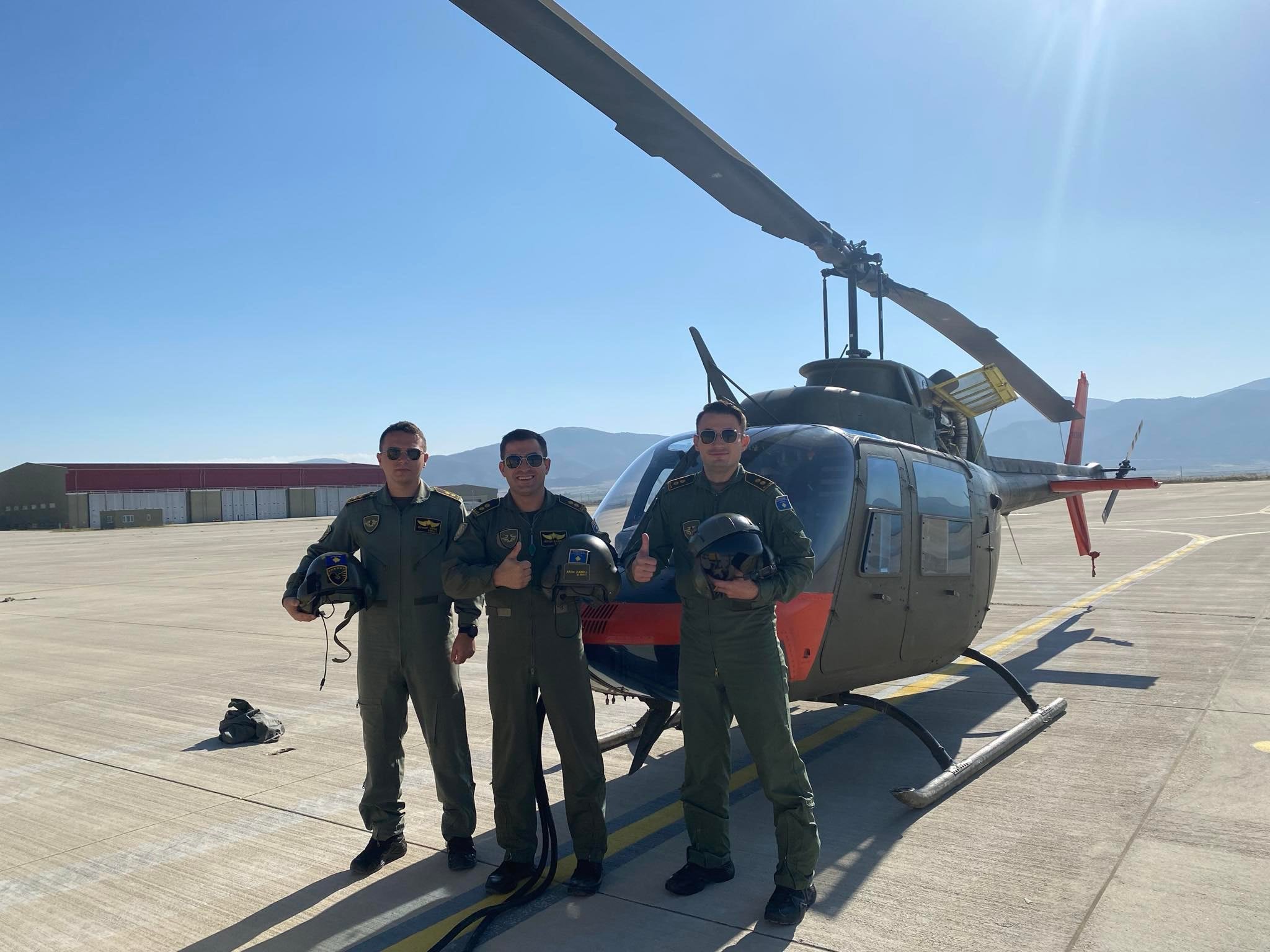
We should not forget that the budget for the KSF in 2023 was increased by 20 percent (123 million euros), and Prime Minister Kurti himself stated in January of this year that during 2022, 2,547 military personnel had been trained abroad and that the recruitment of 612 active and 388 reserve members was being conducted.

0 comments