
Can the strengthening of the right-wing in Europe lead to a change in the West's policy towards Kosovo?
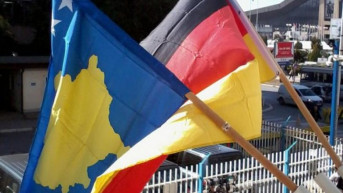
In some countries of the European Union, right-wing parties have recently gained in popularity and become an indispensable factor in the formation of governments, and since the majority of them believe that the international community is wrong in its attitude towards Serbia on the issue of Kosovo, the question arises - can the strengthening of the right-wing lead to to the change of attitude towards Pristina, which has been "the darling of the West" for decades.
Right-wing parties, such as the Alternative for Germany (AfD) or the Freedom Party of Austria, are gaining more and more support from citizens in their countries. It is similar in France, where the National Front is gaining strength, and in the recent elections in Spain, the center-right People’s Party won the most votes, while the Italian Government was led by ultra-rightist Giorgia Meloni.
The situation in Germany is particularly interesting, since Berlin is considered one of the most important supporters of Pristina, and the foreign policy of that country is now led by the "Greens", who are openly lobbying for an independent Kosovo.
However, according to public opinion surveys in that country, the AfD can now count on even 22 percent of the vote, which positions it as the second political force in the country, behind the CDU/CSU, which can currently win 26 percent of the vote.
The ruling Social Democratic Party of Germany (SPD) of Chancellor Olaf Scholz would currently receive 18 percent of the vote, the Greens 14, and the Free Democratic Party (FDP) only 7 percent.
The popularity of the AfD is growing week by week, due to the growing dissatisfaction of citizens with the politics led by the "traffic light coalition" SPD-Greens-FDP.
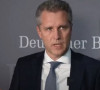
The head of the foreign policy committee of the AfD parliamentary group, a member of the Bundestag, Petr Bystron, tells Kosovo Online that the party would fundamentally review German foreign policy.
"Our priorities would be the preservation of national sovereignty, security, and national interests. We would follow a real-political approach that leaves aside ideological prejudices and strengthens Germany's position in the world," Bystron said.
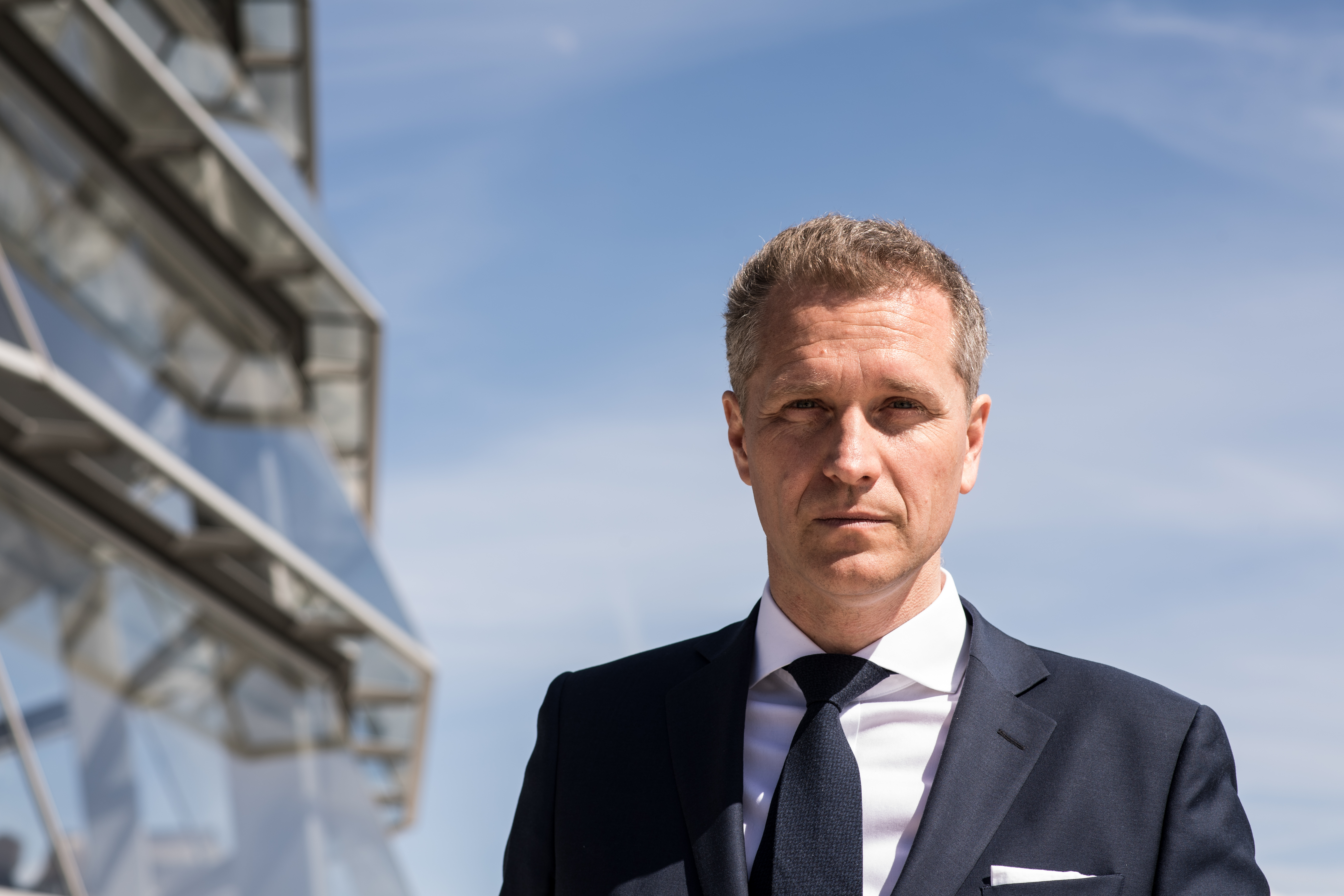
When it comes to the attitude towards Kosovo, he points out that the AfD would take a more balanced position, which would ensure that all international obligations are fulfilled.
"Our goal would be to encourage stability and peace in the region, and that could mean a more critical position towards Pristina," he adds.
Regarding Belgrade, he says that relations with Serbia should be placed on a solid foundation that reflects common interests.
At the same time, this could also mean increased economic and diplomatic cooperation, as well as support for Serbia in the dialogue with Kosovo.
Asked how he would evaluate the current policy towards Serbia and Kosovo, which was primarily led by the Green Party, namely Minister Annalena Baerbock, Bystron pointed to one-sidedness and ideological fanaticism.
"The policy of the Greens is unilateral, based on ideology. Their attitude ignored the complex reality in the region and failed to take into account the long-term interests of Germany. A new positioning is needed. We would ask for a fundamentally new consideration of our policy towards Serbia and Kosovo, based on fairness, realism, and protection of our national interests," Bystron underlined.
When asked if Germany was one-sided, he answered in the affirmative, stressing that German policy had shown one-sidedness that needed correction.
"We need a balanced approach that takes into account the interests and concerns of all parties involved," Bystron notes, pointing out that Germany should play an active role in the region to promote dialogue and cooperation, not take sides.
Right-wing MPs in Austria share a similar opinion, where, according to the latest research, the Freedom Party of Austria (FPO) is the strongest political force in the country, which can count on 30 percent of the vote, ahead of the currently ruling People's Party (OVP) with 24 percent, the Social Democratic Party party (SPO) supported by 22 percent of citizens and the Greens with 10 percent support.
Thus, the FPO becomes an indispensable factor in the formation of the future government, bearing in mind that the OVP and the SPO will hardly be able to find a common language on many issues.
The head of the foreign policy committee of the FPO in Vienna and the head of that party's caucus in the Vienna Assembly, Maximilian Krauss, points out for Kosovo Online that Serbia has done its "homework", which cannot be said for Kosovo, reproaching the Austrian Greens for lobbying for Kosovo.
He points out that the FPO is the protector of Austria's neutrality, which the current Government, he says, is constantly violating, and he cites the role of the Greens in the Balkans as an example.
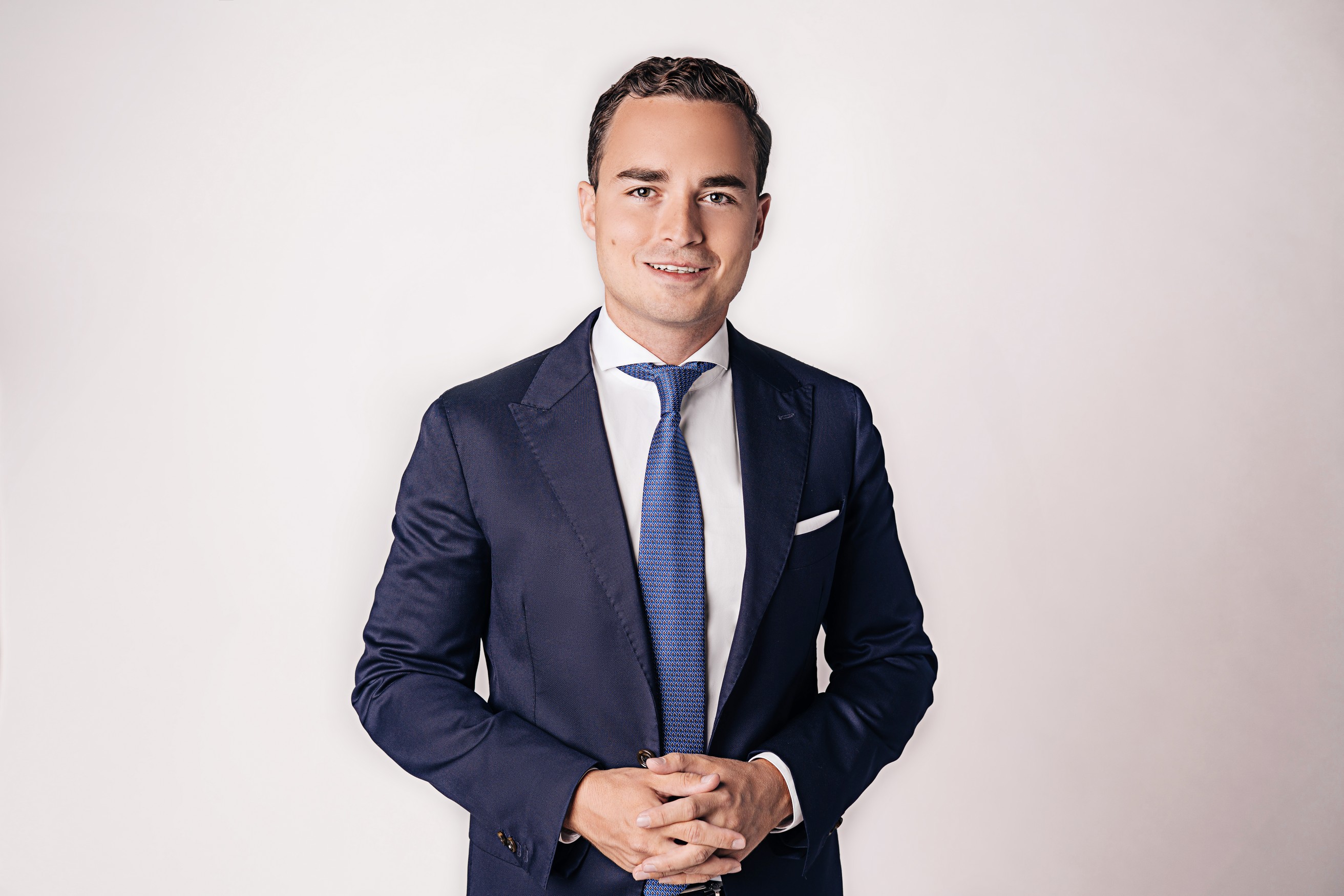
"The Green Party actively lobbies for Kosovo, instead of taking into account the interests of both parties. If the FPO is a part of the next federal government, the neutral role of our country will again be a priority. Austria has played an active mediating role for decades and should continue to do so in the future. As for the policy towards Belgrade and Pristina, it is fair to say that Serbia has done its homework in this conflict, which, unfortunately, cannot be said for Kosovo. The EU should therefore convince the Government of Kosovo to abide by the Brussels Agreement," Krauss said.
However, it is unlikely that even in the event of a change of government in these countries, there would be tectonic changes in the relationship between these countries regarding the issue of Kosovo's independence.
By the way, there are a large number of lobbyists in Austria, and the largest is among the Greens, such as Kati Schneeberger or MEP Thomas Weitz, along with OVP MEP Lukas Mandl.
They are openly lobbying for the independence of Kosovo in the EU and with constant announcements, currently, they are demanding sanctions against Serbia and the abolition of punitive measures against Pristina, and even Schneeberger, when the Pristina Government was the target of international criticism, organized a protest in support of Kurti's Government in Vienna.
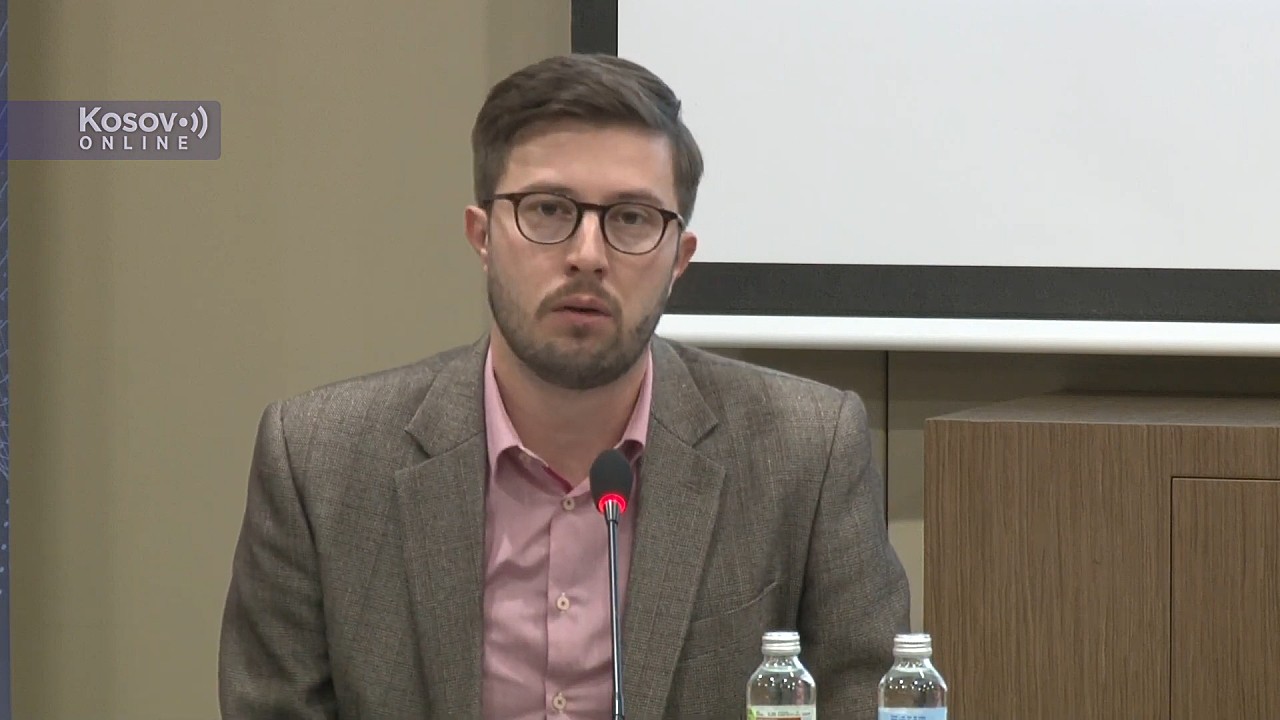
Assistant Professor of the Faculty of Political Sciences in Belgrade, Stefan Surlic, believes that a change in the position of Germany, Austria or France on the status of Kosovo will not occur regardless of the strengthening of the right-wing in those countries, but that it is possible that there will only be a "softening of politics".
Surlic says for Kosovo Online that the fact is that support for the Alternative for Germany and the Freedom Party of Austria is growing, and that the reasons for this are primarily dissatisfaction with the internal situation, and the economic standard, which represents an excellent space for the flourishing of extremist messages and what the voters of such parties want to hear - some kind of radical change.
As he adds, on the foreign policy front, they represent something that is different compared to the mainstream, and also regarding the issue of Kosovo.
"Until now, we have been able to hear attacks on the decision to bomb the FR Yugoslavia in 1999 from their representatives, but also on the decision to recognize the independence of Kosovo," Surlic reminds.
However, he believes that even if they come to power, the change toward the independence of Kosovo will not happen.
"First, there is little probability that they will come to power because they are alone, they do not have coalition capital and the other parties are uniting against them, so it is simply unimaginable that they alone can win more than 50 percent. And even if they come to power, it turned out in the past, that many extremist parties are softening their positions, adapting to realpolitik, to the foreign policy context," Surlic said and pointed to the Italian extremists from whom, as he said, much had been expected, but, he said, had become part of the "mainstream".
"In the case of Kosovo, for the collective West, it is a finished topic. There may be a softening of the policy, but essentially there will be no withdrawal of the recognition of Kosovo's independence," Surlic says.
As an example of softening the policy, Surlic cites Hungary and says that it is a country that recognizes independent Kosovo but understands the views of Serbia, and due to the closeness that currently exists between Belgrade and Budapest, Hungary voted against Kosovo's membership in the Council of Europe, i.e. to put it at all on the agenda.
But, as he adds, no one expects that Hungary, despite its great friendship with Serbia, would change its position on the independence of Kosovo.
"I believe that this would also be a hypothetical case with these countries because, even though they think it was a mistake, none of their representatives have said 'when we come to power, we will change it', but they only state that it was a political mistake, but they are aware that it is very difficult to change something that has already been done," Surlic concludes.

0 comments