
The departure of Albin Kurti’s associates - is the support for the policy he is leading collapsing from within?
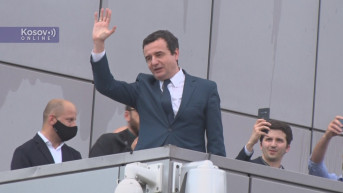
Armend Mehaj is the last in a series of close associates of the Kosovo Prime Minister and Self-Determination leader Albin Kurti to leave him. Although the official explanation is that there are family reasons behind the departure of the former Minister of Defense, Kosovo Online's interlocutors, who are familiar with the political situation in Pristina, do not rule out that there was a deeper disagreement between Mehaj and Kurti. They also assess that the "government car" is slowly going downhill, that support for Kurti's policy is decreasing, and that the situation in the parliamentary group Self-Determination is not idyllic.
A few days before Mehaj, Kurti's British Advisor for Communities, Elizabeth Gowing, resigned, in previous months, Fatmir Humolli resigned from the Self-Determination Parliamentary Group, and Haki Abazi was expelled from it.
Humolli's predictions, after leaving the caucus, were that some other MPs would follow in his footsteps, because they were not satisfied with the situation in the party, while Abazi, after he was expelled from the parliamentary group, said that Kurti "is paranoid about everyone in Self-Determination who have a different opinion".
Political analyst Artan Muhaxhiri tells Kosovo Online that the differences in the parliamentary group Self-Determination were present from the beginning, and Mehaj's resignation is a surprise to him.
"Armend Mehaj was one of the most active ministers. His resignation comes as a surprise and there must have been deeper disagreements between him and Prime Minister Kurti, as the Government is extremely reluctant to change. From Kurti's perspective, this should be considered a moderate earthquake. This change can be treated as opening the door for other additional Government modifications as it is obvious that they are badly needed. As for the parliamentary group of Self-Determination, it is clear that the situation is not idyllic due to the differences that were present from the beginning, but were hidden under the veil of populism and overwhelming electoral victory. Now, after two and a half years, the citizens’ pressure for concrete positive changes is increasing. Therefore, the non-fulfillment of the main election promises begins to accumulate and leads to a hopeless situation in which some of the representatives of the parliamentary majority, who do not have executive powers, begin to realize that the “government car” is slowly going downhill and want to distance themselves from it," Muhaxhiri says.
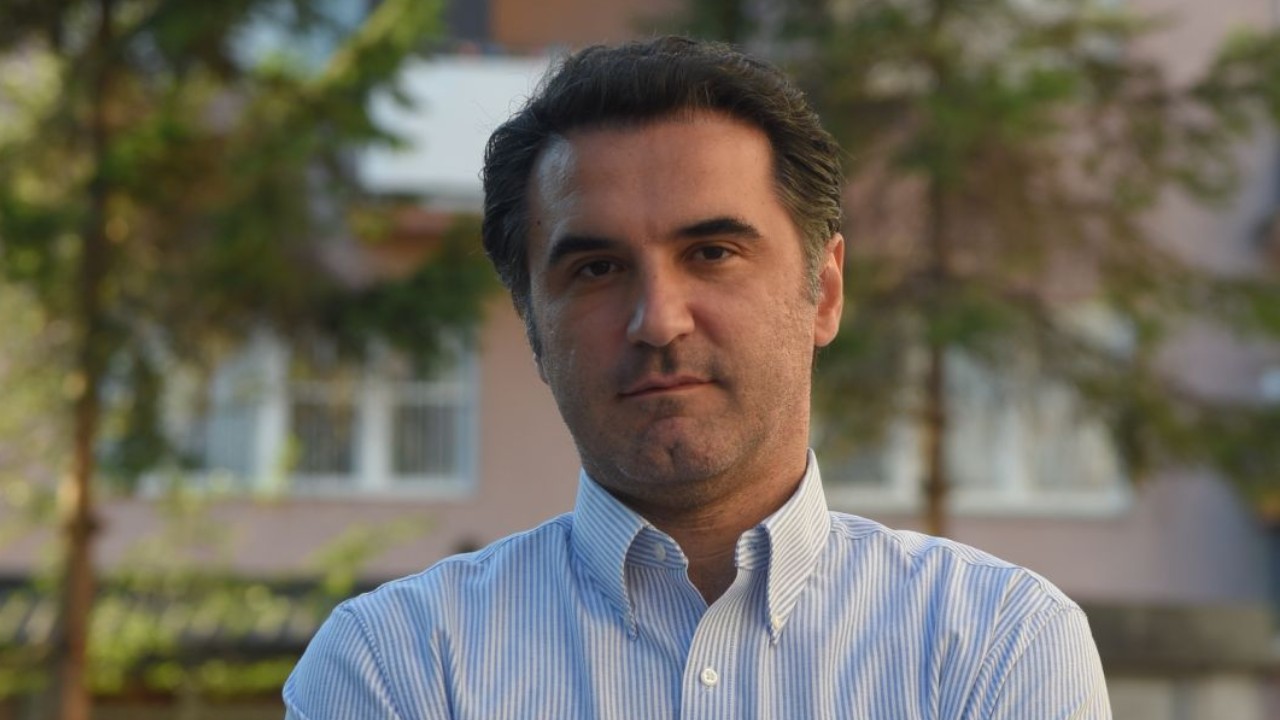
Our interlocutor points out that there are additional ideological disagreements, especially regarding the Civil Code, which created extremely sharp internal divisions, which, as he assesses, will prove to be very problematic in the future "for the harmonious image of Self-Determination."
"The support for Prime Minister Kurti in the elections, apart from his own actions, will largely depend on the quality of the political offers of the opposition parties. For now, the Kosovo opposition is satisfied with only criticizing Kurti on Facebook, which will not be enough to drastically undermine the power of his populist inertia, which he relies on," Muhaxhiri concludes.
Analyst Shkelzen Maliqi tells Kosovo Online that, at the moment, it is not possible to know exactly what the reasons for Mehaj's departure are, but he adds that it is obvious that the people who are engaged in the Government are from outside - the former Minister of Health (Rifat Latifi), and also Mehaj, probably concluded that it did not make much sense to deal with that in Kosovo, in such a situation.
"Before that, they had excellent salaries and positions. Mehaj in Norway, and the Minister of Health in the US, so, it could somehow be connected to that, but I wouldn't speculate. Mehaj himself said that these were private reasons, and the private reasons are also - that you are in a much better position when you work in a normal state, for an organized army, and not in the conditions in which Kosovo is today," Maliqi says.
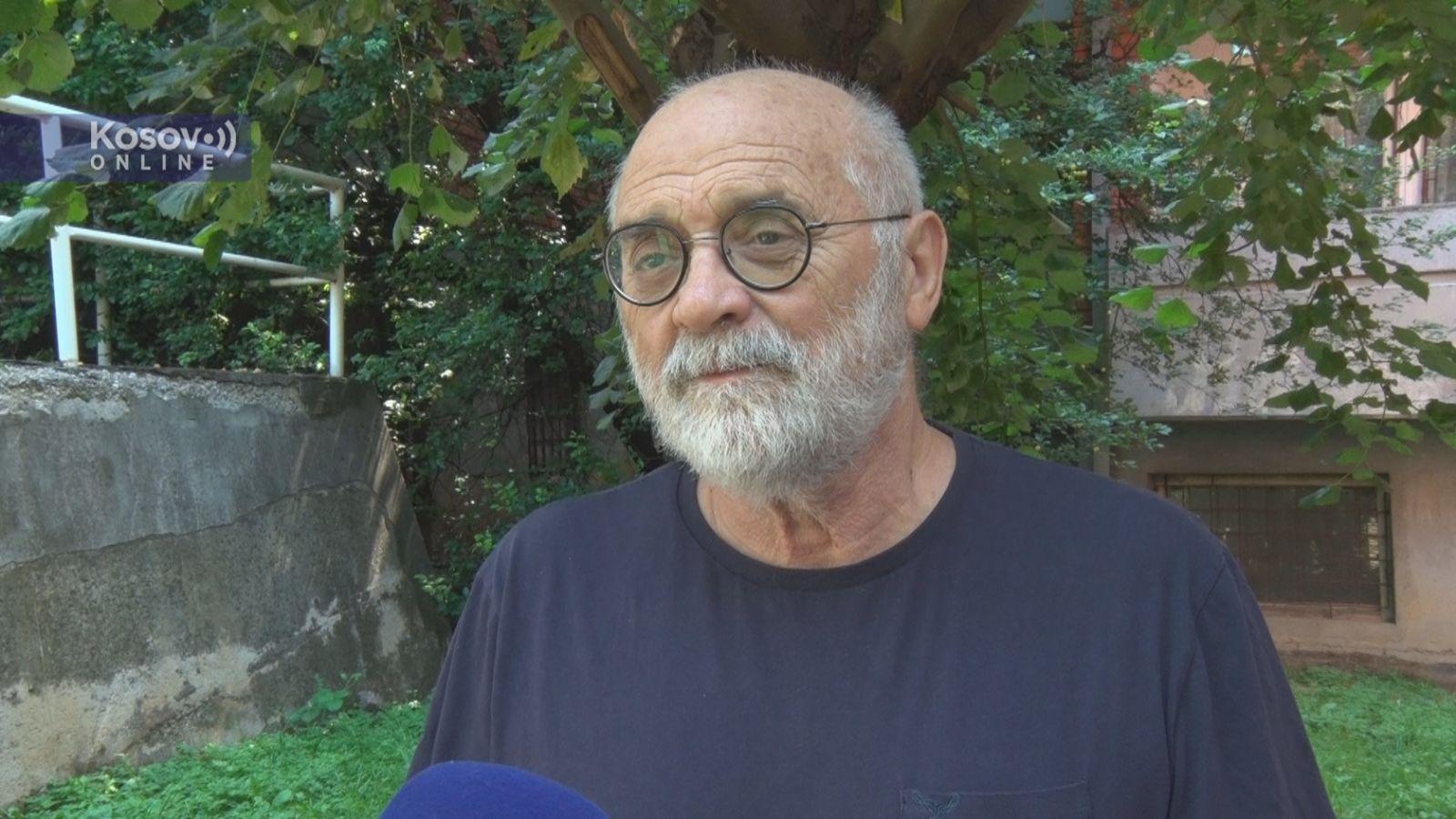
He points out that Abazi and Humolli have voiced criticism since they were in Kurti's party and assumes that support for Kurti's policies is waning.
"Abazi was completely degraded compared to the first Government in which he was Vice President, so that was expected of him, he was a careerist, and he offered himself to everyone. But, I think that Kurti's policy is unsuccessful on all fronts; it is especially painful that he is sanctioned by the European Union, and also the USA, and now he needs to get out of it. He always gives in at the end when things go wrong, but he keeps that business stubbornness. We also see that the President, not so openly, but in some situations much more openly expresses herself in favor of improving relations, for good relations with NATO, the USA... So, in a way, this is the end of the politics of Albin Kurti and Self-Determination, but how long it will last and how it will end, we still don’t know" Maliqi believes.
When it comes to citizens’ support for Kurti, he assumes it will decline.
"First of all, he will never get those votes again, because Vjosa Osmani brought him about 100,000 from LDK voters. I think Kurti will return to his 'normal' votes, maybe a little less. He should be satisfied if he gets 30 percent in the general elections, whenever they are held. I think he will get less than that. The rest of the voters out of a total 51 percent, who gave him their trust in February 2021, will now disperse and go to another entity," Maliqi assesses.

comments