
Is the gradual withdrawal of Special Forces from municipal buildings in the north of Kosovo really de-escalation?
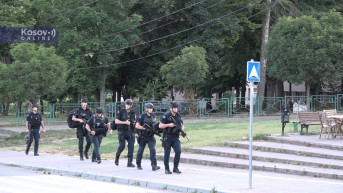
According to the agreement reached in Bratislava between the Deputy Prime Minister of Kosovo Besnik Bislimi and the EU Envoy for Dialogue Miroslav Lajcak, the special officers of the Kosovo Police should successively leave the municipal buildings in four Serbian municipalities in the north of Kosovo in order to de-escalate the situation, but according to the interlocutors of Kosovo Online, for full de-escalation, it is necessary for the Special Forces to completely withdraw from the north of Kosovo, and not just leave the municipal buildings.
According to them, the agreement on a gradual withdrawal is a semblance of de-escalation and an attempt by Kosovo Prime Minister Albin Kurti to buy time and delay the continuation of the Brussels dialogue.
The Kosovo Police announced yesterday that the second contingent of 25 percent of the members of the special units had left the municipal buildings in the north of Kosovo. The first quarter left those premises on July 12 after an agreement between Lajcak and Bislimi. According to the current pace, the last contingent of Special Forces from municipal buildings will leave in mid-September. But the Special Police, as confirmed by Kurti, would remain in the north of Kosovo.
Interlocutors of Kosovo Online believe that this will not lead to a real de-escalation of the situation. They remind that the school year starts already on September 1 and that students in the north of Kosovo could not finish the school year normally, after the raid of special units of the Kosovo Police in four Serbian municipalities, and a similar situation will await them at the beginning of the new school year. Also in September, the vacation season ends, and life should continue as normal, so that people can go to their workplaces normally.
Srdjan Simonovic from the NGO "Human Center" from North Mitrovica believes that the gradual withdrawal of Special Forces of the Kosovo Police from and around the municipal buildings in the north of Kosovo means nothing and that their withdrawal should be complete.
"The only withdrawal of all members of the special police from the north would bring the situation to some kind of normality. This is now a game of nerves, who will give in first, and that is why the number of police members is gradually decreasing," Simonovic told Kosovo Online.
As he points out, if we continue with only a gradual and partial withdrawal, nothing has been done, because the problems remain.
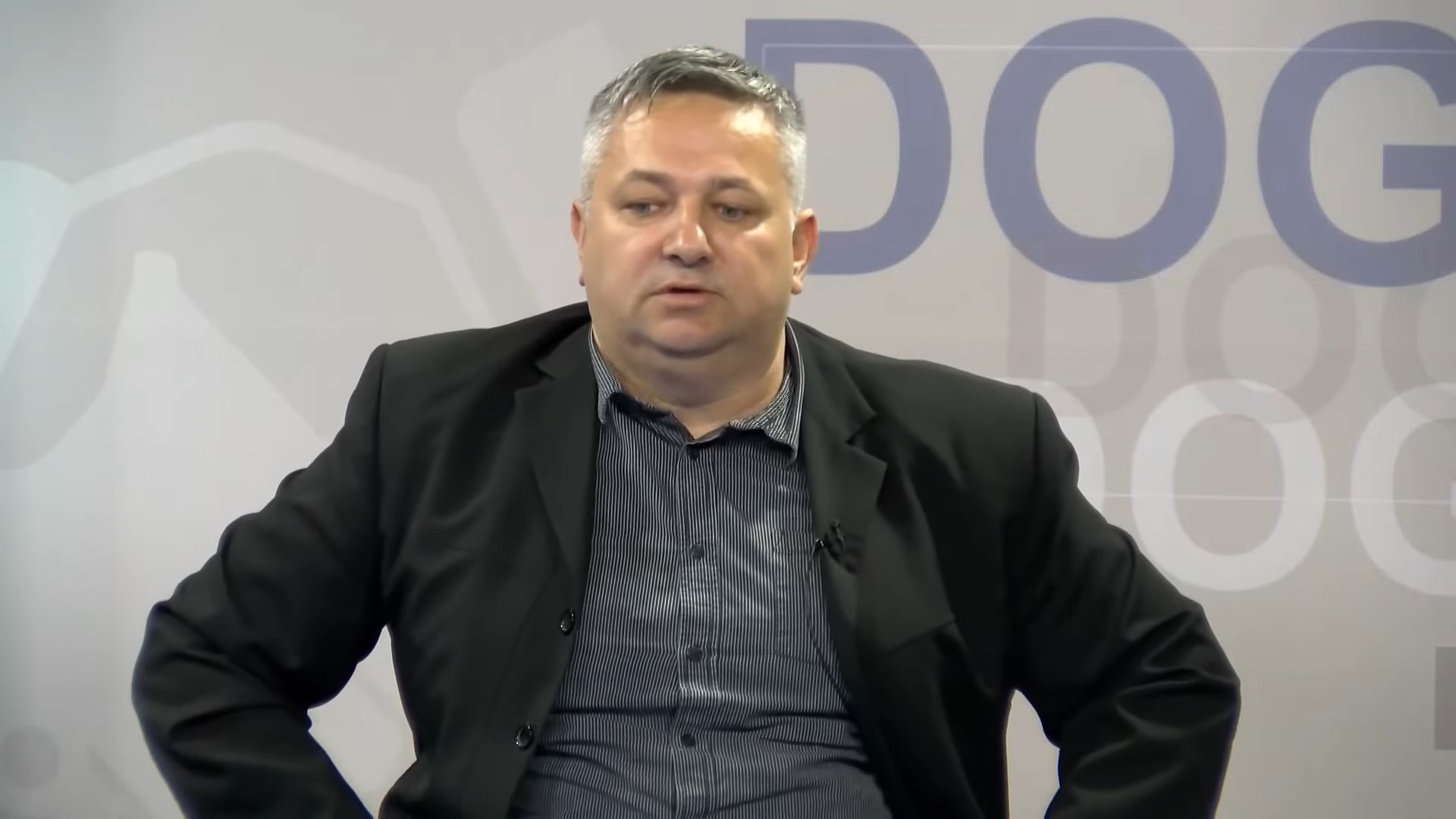
"In this way, we are not getting any closer to de-escalation. It is true that the situation may have calmed down a bit, but the problems remain, this does not lead to anything. The members of the special units should withdraw from the north, and that would be the first step towards calming the situation, although even after that there will be tensions present because there are no guarantees that if they withdraw now they will not do the same tomorrow and return. We need guarantees that they will respect the decision to withdraw, that would give us security," Simonovic adds.
The President of the Center for Social Stability, Ognjen Karanovic, assesses for Kosovo Online that this way of moving the police could be interpreted as the beginning of an opportunity to calm tensions, and by no means as a process of de-escalation.
"It is good that the so-called Special Forces are starting to withdraw, but de-escalation requires a greater degree of readiness on the part of the separatist structures in Prishtina for a political model of solving open issues. Therefore, it is necessary for all the armed forces of the temporary institutions to leave the north of Kosovo and Metohija, because they have no business according to Resolution 1244, as well as according to the Brussels agreements. It is necessary to stop the "hunting of the Serbs" carried out by Kurti's plans, along with the release of those who have already been arrested," Karanovic says.
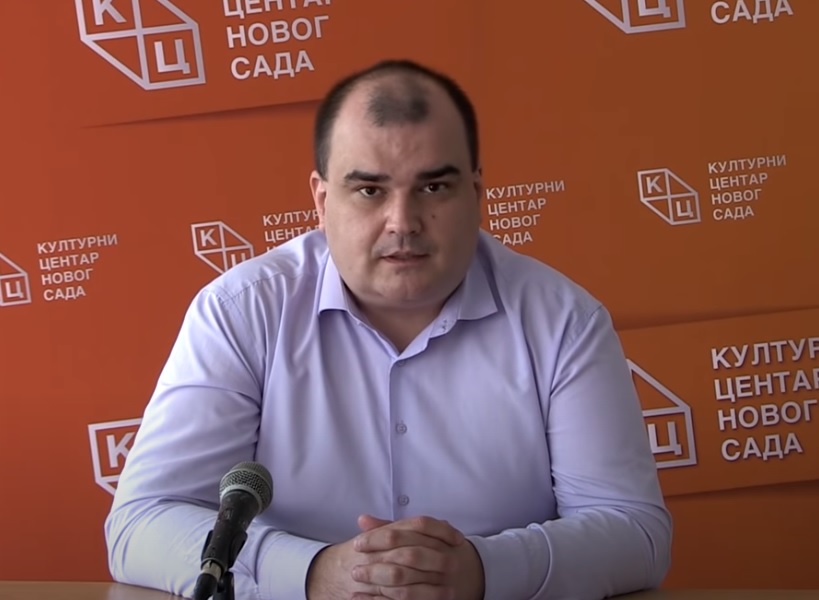
According to him, for full de-escalation, it is certainly necessary for Pristina to stop obstructing the formation of the Community of Serb-majority Municipalities.
"This is a priority in the potential political process because it is also the institutional framework of protection for the Serbs in the southern Serbian province, which prevents any new rampage by Kurti's terrorists in the ten municipalities of Kosovo and Metohija where the Serbs live in the majority. For all these steps, a clear position of the political West, who would issue a directive to Albin Kurti in unison to implement his obligations and to stop terrorizing the Serbs. Only then can we talk about 'de-escalation of the situation' in Kosovo and Metohija," Karanovic said.
According to the analyst of the Center for Social Stability, Srdjan Graovac, Kosovo Prime Minister Albin Kurti only wants to buy time and prolong the withdrawal process with the agreement from Bratislava, because he does not want to continue the Brussels dialogue.
"There is no de-escalation in full or in the full sense of the word until the moment when all the Albanian armed forces, be they Special Forces or any other, really leave the north of the southern Serbian province. I don't mean only the ROSU units, but any other units that are directed to the north. So the fact that they are withdrawing is partly a concession by the international community to Kurti and something that Kurti has achieved and which is necessary for him to delay the process of their withdrawal as much as possible. This is ultimately also his goal because he is also aware that the moment he stops talking about the problems in the north of Kosovo, he will have to face the continuation of the Brussels negotiations and the key demand that was reached, which is the formation of the CSM. That is why he is delaying this de-escalation," Graovac says.
Graovac assesses for Kosovo Online that the current situation can be characterized as certain small steps in the direction of de-escalation, and how things will really unfold, he adds, will be seen in the coming period.
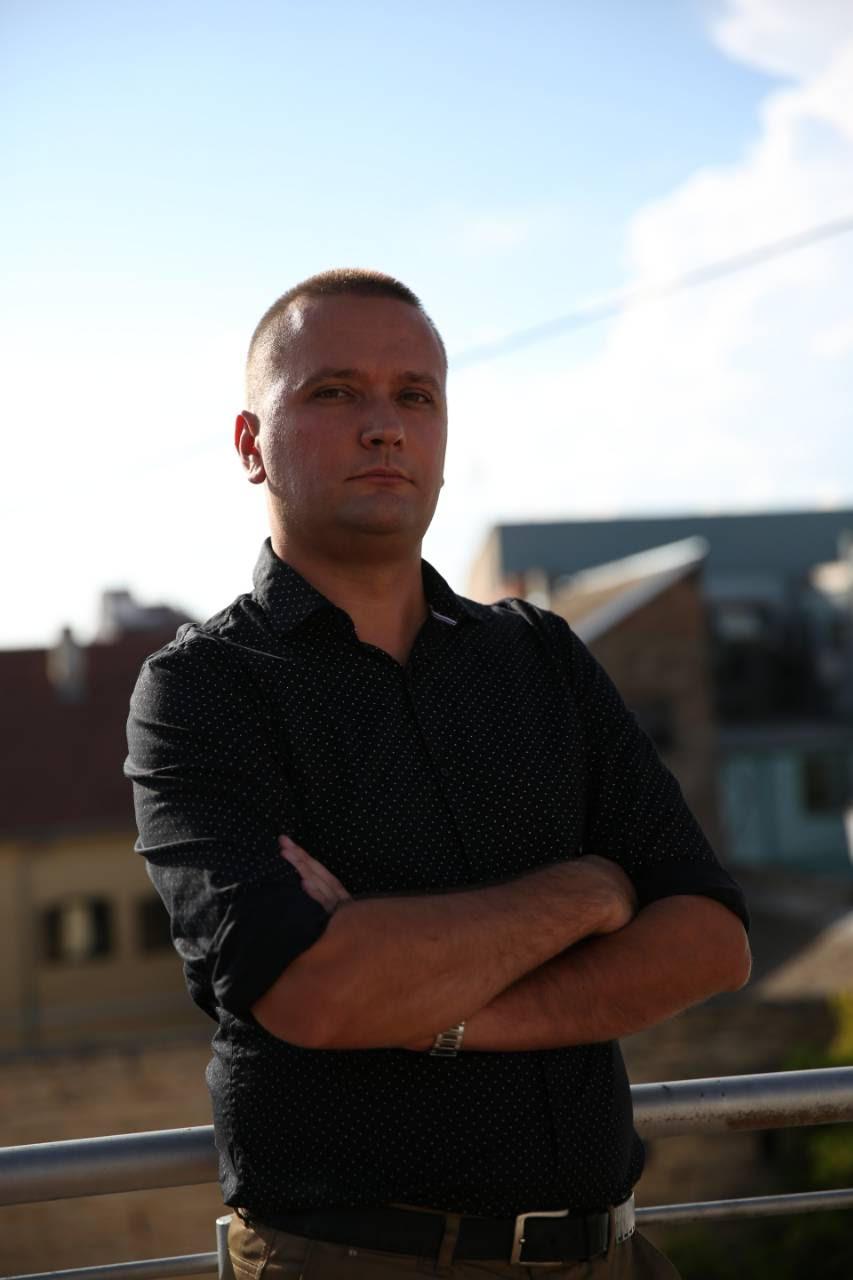
"But my position is that it is not in Albin Kurti's interest that a full de-escalation occurs, so I would not be surprised if, in the coming period, there would be some other escalations, some attempts to impose some other issue in the north of Kosovo, which would divert attention from the fact that de-escalation is necessary in order to continue the Brussels negotiations, which Kurti does not want. They have stopped at the CSM, and Kurti does not want to form that Community," Graovac points out.
He assesses that, for full de-escalation, it is necessary, except that all "Albanian forces" withdraw from the north, and that conditions be created for the return of the Serbs to the institutions.
"These are somehow related processes. We should not forget and ignore the fact that the Serbs left the institutions precisely because the CSM was still not formed, even though so much time, more than 10 years, has passed since the decision that that Community would be formed. The essence is that Kurti fundamentally does not want de-escalation and does not want the withdrawal of the Albanian forces from the north, and he will try in every way to drag out that process and delay the withdrawal of forces, as well as ask for new concessions from the international community when it comes to him," Graovac added.
Graovac says that the international community is forcing Kurti to follow the path of de-escalation, but that he is always looking for a way to avoid it and to make the withdrawal of forces slower.
"Kurti is aware that when he withdraws his forces from the north of Kosovo when the elections are organized in the north, and when the Serbian mayors completely enter into the municipalities, he is losing the main moment that is crucial for him, which is that he has a problem in the north and there is an escalation in the north, which is very welcome to him to divert attention from the CSM. The moment when de-escalation happens, the CSM is back on the agenda, and Kurti does not want that at all. I am convinced that he will try to prolong it after September 1 and in the next period, and then postpone the elections in the north and that the whole process would be prolonged as long as possible in order to avoid a further continuation of the negotiations," Graovac emphasized.
He adds that Kurti indeed has support from some parts of the international community and that they will act favorably on his moves, while the part of the international community that wants those negotiations to continue will put pressure on him in any case.
"And now we should not ignore the fact that Kurti is not a man who will easily give in under pressure and who will easily abandon his strategy, which in a broader sense aims to expel the Serbs, put pressure on the Serbs, eliminate the Serb List and reject the CSM. Considering that he is also ready to take different steps and even confront the international community, if necessary, in order to achieve his goal. If we take into account the reluctance of the international community to press him to the end, and if needed to replace him, then we can expect that he will manage to fulfill and avoid implementing what he promised, I am not only saying this when it comes to the CSM, but also about the withdrawal of Albanian forces from the north," Graovac said.
He also says that he would not be surprised if Kurti continues his way, and there is no reaction from the international community, because until now they have not shown the determination to implement their demands at any cost.
"If Kurti did not have protection in certain circles of power in the West, then none of this would have happened - he would simply have to respond to the demands of the international community or leave power, as he did when he was pressured before, several years ago, by Richard Grenell. Since there is now no determination in the international community, he is using it not to implement the demands," Graovac concludes.

0 comments