
A high-level meeting in Brussels is realistic soon, simultaneously with the work on the formation of the CSM
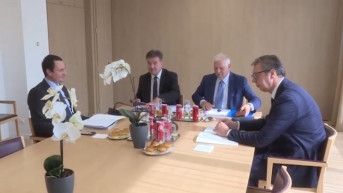
It was realistic to expect that there would be a meeting between Aleksandar Vucic and Albin Kurti in Brussels, but also that at the same time, work should be started on the formation of the CSM, the interlocutors concluded for Kosovo Online, regarding the announcement of an imminent high-level meeting in Brussels, after an intensive "shuttle" diplomacy of European and American representatives in the previous twenty days.
Our interlocutors state that the question remains as to whether it was wise for the West to settle for an interim agreement at this moment, i.e. to postpone the negotiations on a comprehensive, final agreement for later, as well as whether there is no longer any justification for not forming the CSM, and that Vucic took the initiative and transferred all the burden of future events to Pristina.
Suzana Grubjesic from the Center for Foreign Policy states for Kosovo Online that, if both Belgrade and Pristina agreed in principle with the European plan, it would be realistic to expect a continuation of the dialogue in Brussels.
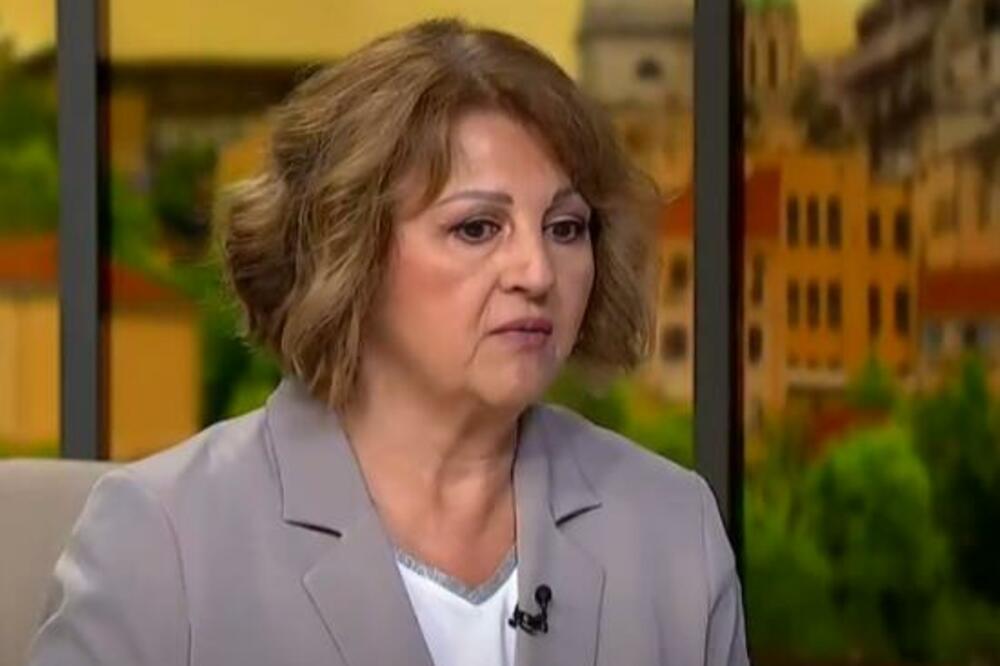
"The background of this diplomatic landing is to enable the continuation of the dialogue after a long time and to finish the crisis diplomacy that was necessary after the serious incidents in the north of Kosovo and Metohija. In parallel with the continuation of the dialogue, I expect the start of work on the formation of the CSM, because this is a previously undertaken obligation, and there are no more excuses or rational explanations for its decade-long delay," Grubjesic says.
Bodo Weber, an expert on the Balkans and senior member of the Democratization Policy Council in Berlin, points out for our portal that after Lajcak's visit, the negotiations seem to have returned to the normal negotiation track - direct negotiations in Brussels, based on the general acceptance of the proposal as a framework, with certain reservations from both Vucic and the Kosovo government according to the individual points of the draft agreement, instead of blackmail and blaming one side as destructive and "take it or leave it" policy.
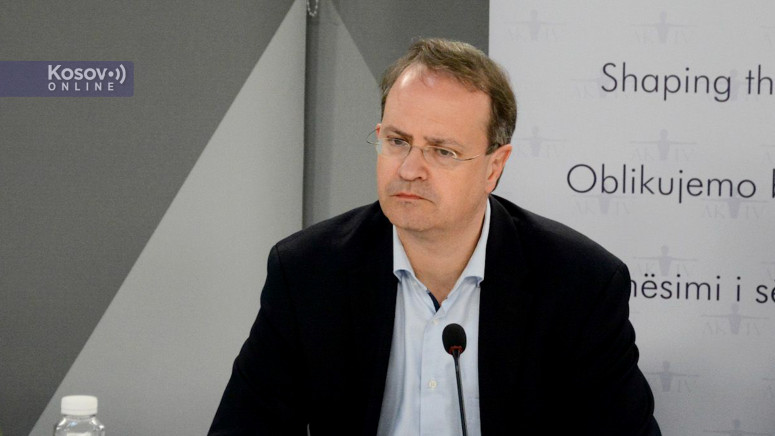
"In the right negotiation framework, it will now be shown whether the parties are really constructive or are only acting tactically with the aim of not reaching an agreement so that the other side would be guilty. Besides, the main question remains - about the expediency of the proposal, whether it was wise that the West has decided to settle for an interim agreement at this moment, i.e. to postpone negotiations on a comprehensive, final agreement for later," Weber says and adds that when it comes to the five EU member states that have not recognized Kosovo, the Franco-German proposal in the background has some kind of perspective for recognition, but since it is not written in the proposal, nothing is determined.
"It seems that at least Greece and Slovakia could recognize, and maybe Romania too," Weber concludes.
Director of the IFIMES Institute, Zijad Becirovic, tells Kosovo Online that it is realistic that "it will come from the meeting between Vucic and Kurti in Brussels".
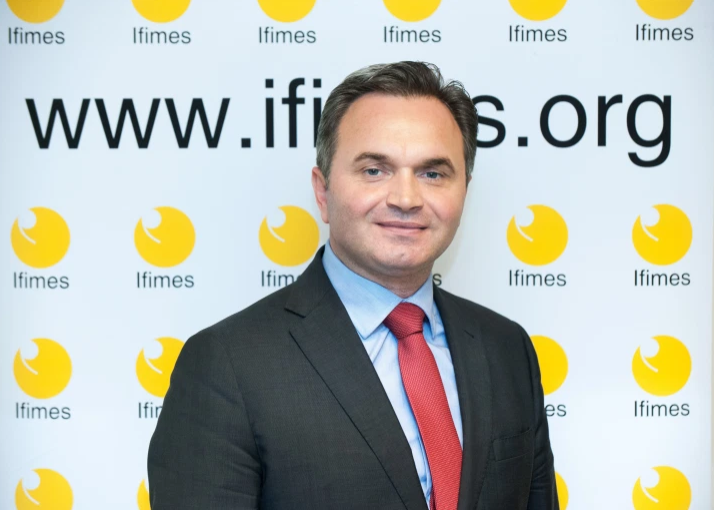
"Official Pristina did not best assess how official Belgrade, i.e. President of Serbia Aleksandar Vucic, would react. Pristina expected that Vucic would reject the proposed Franco-German plan. Vucic not only did not do so but addressed the Serbian Parliament and even participated in the debate for two days on the issue of Kosovo. He took the initiative and shifted all the burden of future events to Pristina. Even a part of the public in Serbia did not understand Vucic's moves, while the opposition proved to be impersonal and irresponsible when it comes to vital national and state interests. The focus of the opposition in the debate in the Serbian Parliament should be the state of Serbia and its future, not the opposition's "fascination and obsession" with the current president of Serbia. It has been confirmed that Vucic is a top expert in international relations and a skilled negotiator, who thinks strategically and whose current moves sometimes you cannot even understand if you do not take into account the strategic dimension," Becirovic says.
The director of the IFIMES Institute points out that the Franco-German plan is the starting point for improving the normalization of relations.
"Without the inclusion of the five EU and NATO countries (Spain, Slovakia, Romania, Greece, and Cyprus), which have not recognized Kosovo's independence and the role of Russia and China within the UN, a final solution cannot be found that will ensure lasting peace and long-term stability," Becirovic concludes.


0 comments