
How will the UN vote on Srebrenica and the success of Serbian diplomacy affect the further status of Kosovo and the dialogue?
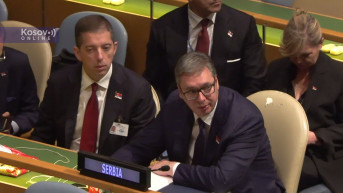
"The vote on Srebrenica in the UN reflects an increasing resistance to what the hard core of the West advocates, which is an international order based on their rules and in their interests. Therefore, the Albanian political elite in Kosovo has little reason for satisfaction, even though any accusation against the Serbs, no matter how false, is always welcome to them."
Prepared by: Milos Garic
It has been a week since the narrow passing of the so-called Srebrenica Resolution on genocide in the United Nations General Assembly, and the global and local consequences of this event are still being discussed with much attention and controversy.
The fact that the resolution was adopted with only 84 votes, with a significantly higher number of countries abstaining (68) and voting against (19), plus 21 UN members not even entering the voting hall, has troubled those who entered the entire business with the main idea of achieving their selfish interests on the backs of the Serbian people.
But it’s not just extreme Muslim circles in Sarajevo and their sponsors who are disappointed with the "small" number of states that expressed support for the adoption of this document at the UN vote.
The failure of Western powers to secure at least half of the UN member states for international verification of the most serious accusations against the Serbs, despite the pressures some countries applied, has also denied the Albanian political elite in Kosovo a greater dose of satisfaction and a better opportunity to use the new circumstances towards their maximalist goals.
However, any accusation against the state of Serbia and the Serbian people, no matter how contrived and malicious, is always a welcome story for Albin Kurti, and thus the current Kosovar Prime Minister immediately congratulated the United Nations on the "adoption of the Resolution on the International Day of Remembrance of the Genocide in Srebrenica," describing the event as "the most brutal massacre in Europe since World War II."
Kurti wrote on the Iks platform that there is no peace in the Balkans "until Serbia accepts responsibility" and added that further efforts are needed to bring the perpetrators to justice.
The time of dictates from the great has passed
The adoption of the Resolution was also supported by other institutions and political parties of Albanians from Kosovo, but knowledgeable observers of high politics see in the mentioned voting results in the UN some significant signals that do not favor the Albanian side.
The Serbian Minister of Foreign Affairs, Marko Djuric, said a few days ago that the additional benefit for Serbia from the vote on the Srebrenica Resolution at the UN General Assembly also relates to the topic of Kosovo because, as he specified, the fact that Serbia managed to bring 107 countries to its side on such a difficult issue as genocide is a signal to those who might try to push Kosovo into the UN, that it will not go well for them.
Indeed, how can the outcome of the UN vote be viewed in the context of further development of the dialogue between Belgrade and Pristina and the status of Kosovo in international frameworks?
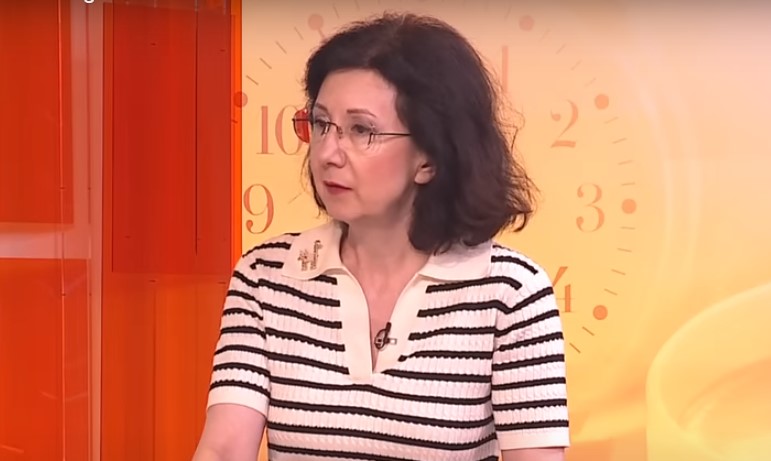
Professor of the Faculty of Political Sciences in Belgrade, Dragana Mitrovic, told Kontekst that the recent outcome of the UN vote sends clear messages regarding Kosovo.
"The relatively weak support for the so-called Srebrenica resolution, which was adopted 'under miscellaneous' in the UN General Assembly with less than half the support, shows that the era of dictates from the great powers in the UN is over, despite their remaining power to blackmail, punish, and impose their will on the weaker and those who have accepted their fate to go under the skirts of the great powers, or even to do part of their dirty work on their behalf. The temporary institutions of the so-called Kosovo, a Serbian province under UN protection, in their efforts to obtain state-like features for that entity as part of the great powers' project, have received a fairly strong message that further advances in this direction will be increasingly difficult. Of course, their goal is to 'suck' this part of our territory into NATO, but that will not be easy either, as there are conflicting views among the member states, and the regional and global geopolitical seesaw is moving ever faster towards a side that terrifies them and leaves them without answers," explains Mitrovic, who is the founder and head of the Center for Asian and Far Eastern Studies at FPN.
She adds that Serbia should withdraw from further negotiations with Pristina.
"Serbia should withdraw from negotiations with the violent and criminally oriented temporary institutions, renounce all concessions made under the Brussels Agreement based on the other side's non-fulfillment of obligations and the EU as guarantor. The EU should take responsibility for the incompetent and unfair conduct of the process that led to significant unilateral concessions and the brutal violation of the rights of our people and our state in Kosovo and Metohija. Our demand should also be the return of the process to the UN, where it belongs, and constant insistence on respecting UN Security Council Resolution 1244, including the return of our armed forces to the designated positions," concludes Dragana Mitrovic.
Strengthened Position of Serbia
Longtime diplomat Zoran Milivojevic points out that the outcome of the recent vote in the UN General Assembly indicated that Serbia's position has strengthened and that there is a serious circle of countries ready to accept Serbia's arguments as it presents them.
"The hard Western core, which is our adversary on the Kosovo issue, has been cracked. This was seen in the vote for the NATO Parliamentary Assembly. There were 14 abstentions, meaning there were more than those four that do not recognize Kosovo plus Hungary, which was against. We saw a similar stance among the ministers in the Council of Europe. Therefore, Serbia's resistance has proven to be a tool that can influence decisions and effectively defend national interests. When it comes to Kosovo and Metohija, the vote in the United Nations is of paramount importance for us, confirming that we can count on the majority of states for our position. Another point is that international law and Resolution 1244 must be the number one issue from now on in every Serbian stance regarding the defense of Kosovo and Metohija and the territorial sovereignty of Serbia," notes Milivojevic.
He adds that the UN vote showed that the world is divided, and that the collective South has a strong understanding of defending an international order based on the United Nations and the defense of international law.
"Countries see this as their interest. There was significant resistance in this vote to what the hard Western core advocates, an international order based on rules it dictates, based on its interests. To emphasize, two permanent members of the UN Security Council also voted against. Notice, China voted against on an issue that has no direct connection to it, for the first time. This should be appreciated and considered," reminds Zoran Milivojevic for Kontekst.
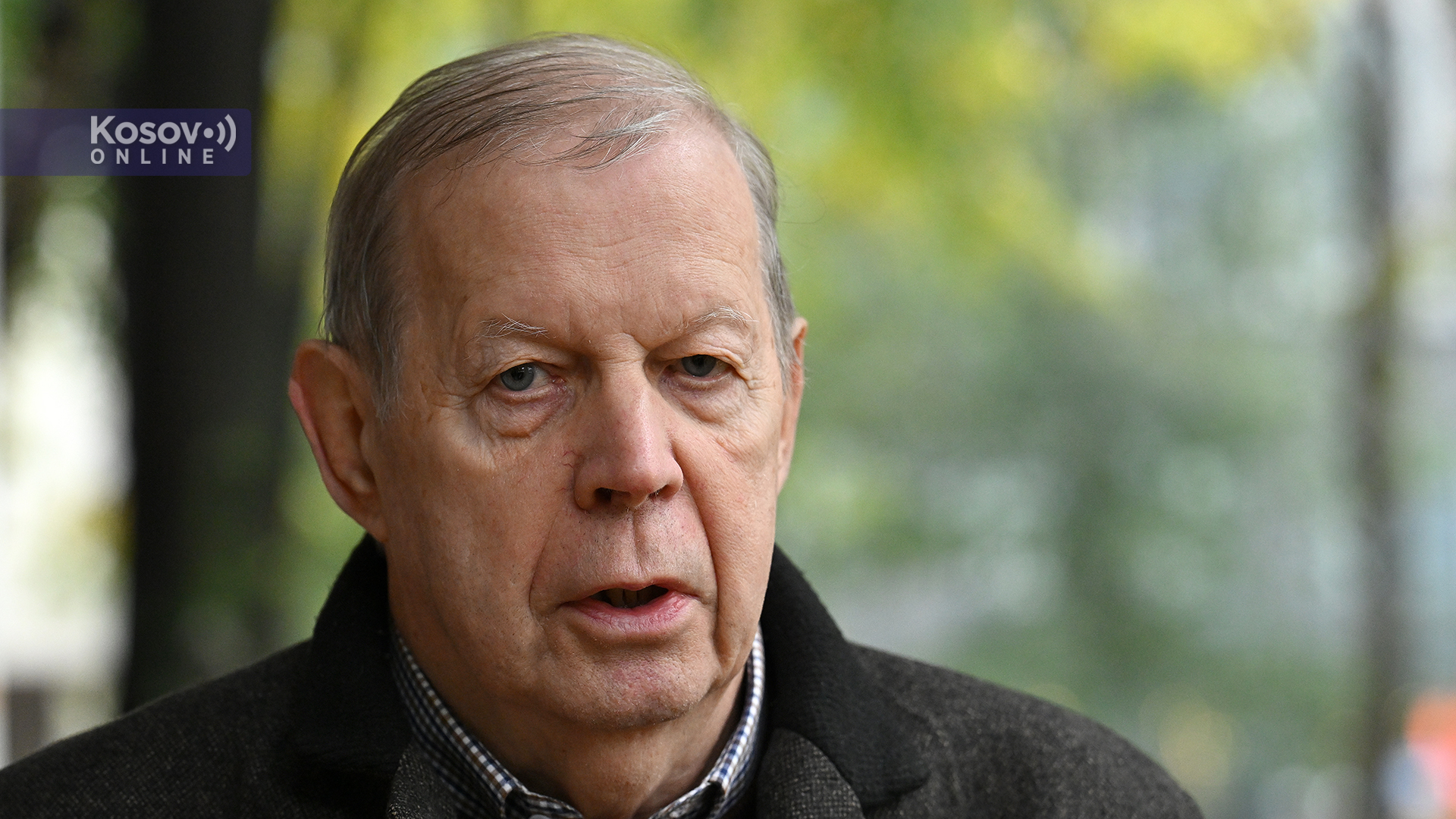
Nevertheless, the main impression, he says, is that the hard Western core has been breached.
"For the first time, there was no consensus among them. This means that there are states that understand that this goes beyond their interests in relations with Serbia, but also in terms of respecting the United Nations. This is the conclusion we can draw. Also, the strong engagement of the head of state, Aleksandar Vucic, and his personal relationships with the leaders of the world's most significant countries, is the platform on which further strengthening of Serbia's positions regarding Kosovo can be built," notes the diplomat.
There is no dialogue with Pristina now, he emphasized, that is completely clear.
"There can be no dialogue like this. The main culprit is the Pristina side with its exclusive maximalist demands, which forcibly imposes its statehood. They have the support of sponsors for that. The moment that support is withdrawn and when they return to the 2013 Brussels Agreement without maximalism, we could return to a meaningful conversation," concluded Milivojevic.

0 comments