
Kosovo is not using the chance to develop its tourism potential through the Open Balkan
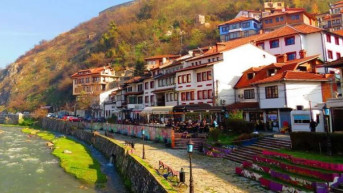
The recently concluded International Tourism Fair in Belgrade was an excellent opportunity to promote the tourism potential of the entire region on the big stage, especially in the context of cooperation within the Open Balkan, but for now, due to political reasons, Kosovo is not using it in a way that would bring significant benefits to the local economy and profit to the employees, the interlocutors of Kosovo Online from Pristina and Belgrade agree.
Tourismologists and businessmen from the region share the view that Pristina's joining the Open Balkan initiative would complement the region's tourism offer, and at the same time contribute to the promotion of tourism capacities in Kosovo, which, despite their potential, are not developed at the level required by the regional and European tourism map.
However, the current political circumstances in the region and the refusal of the Pristina authorities to join the Open Balkan initiative make it impossible to present the tourism capacities in Kosovo in their entirety, along with other capacities within the region, and harm the economy and the welfare of workers in that sector. This was very clearly seen in the previous days at the Fair in Belgrade.
The President of the Association of Businessmen of Kosovo, Agim Shahini, believes that one of the goals of the Open Balkan is precisely the pooling of the tourism potential of the region, but he also emphasizes that the political position of Kosovo is against this initiative.
"There is a tourism potential in Kosovo, especially in winter. However, there was not enough snow during this winter, so I can say that there were significantly fewer tourists this year. Kosovo is still a country that has its own historical but also its own touristic place. And people from Albania, Macedonia, Montenegro, Serbia, and even from other countries also come," Shahini says for Kosovo Online.
However, he estimates that Kosovo still does not have a good promotion for the resources it has.
"That's why we need to make a strategy, to increase the entry of new guests through tourism, which will serve as a means of promoting Kosovo, that Kosovo is a good place for tourists and that Kosovo is a good place to live," Shahini said.
In this context, he points out that the leaders of the region must look to the future, in the direction of progress towards Europe, even though, as he explains, it is a long but best road.
"Most likely, the Open Balkan has one such goal. However, Kosovo still has a political position against it. However, I think that if the statesmen on February 27 leave the past in the past, and what follows is something better, then they should look to the future. And the citizens of Kosovo and Serbia should move forward towards Europe, the road to Europe is long but the best road," Shahini said.
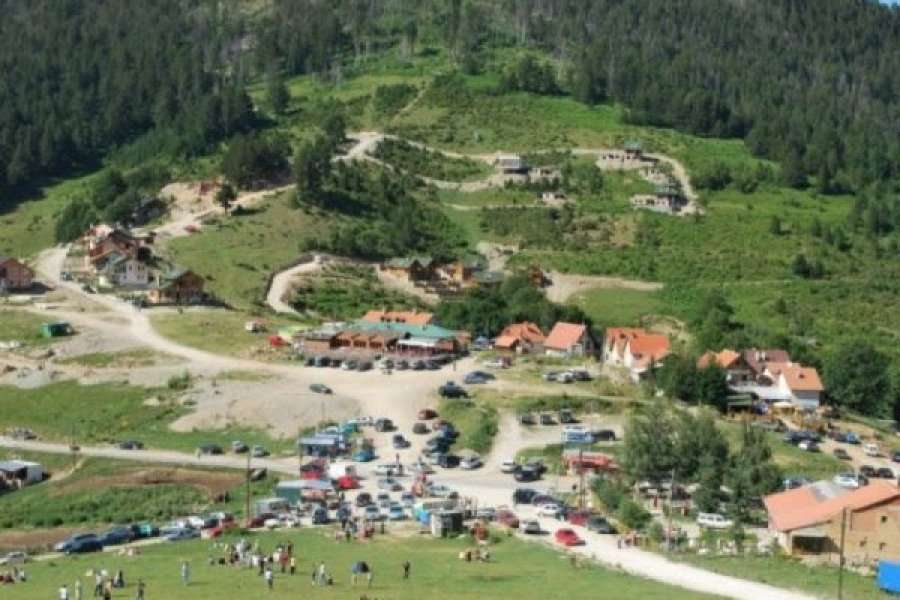
The director of the National Association of Tourist Agencies of Serbia, Aleksandar Senicic, also points out that the unique offer of tourist facilities in the region would greatly contribute to the development of this sector.
He believes that the rich cultural heritage of Kosovo is attractive to both the local population and foreigners, as well as that a joint performance with the participants of the Open Balkan would contribute to the promotion of the region.
"Only the participation of Kosovo within the Open Balkan Initiative, I think, would greatly bring recognition to that project, on the one hand, while on the other hand, the local population would have a far greater number of guests, greater traffic and certainly a higher standard," Senidid told Kosovo Online.
He points out that the majority of tourism experts share a similar position regarding the unification of the tourism market of the countries of the region, but that the final decision on Kosovo's accession to the Open Balkan rests with the politicians.
Senicic believes that Kosovo's tourism potential is underutilized and that it is mostly related to religious tourism and visiting monasteries, and he points out that visits from Serbia are mostly organized by the Serbian Orthodox Church's Dobrocinstvo tourist agency.
"Unfortunately, the political situation, insecurity, and everything that happens at the border crossings, the impossibility of entering Kosovo in a normal way prevents many people from visiting that territory, above all when we talk about the population from Serbia who would like to visit the northern part of Kosovo and everything where Serbian monasteries are located," he said.
There was no doubt that the tensions between Serbia and Kosovo were a limiting factor for the development of tourism, he said, referring to the incidents in Peja and Prizren when buses with Serbian tourists had passed by.
When it comes to the Albanian offer, Senicic says that it is not present in Serbia and that Albanians are turning to foreign groups and tour operators who come from Croatia and Slovenia and do Balkan tours.
"We are working to prevent Serbian cultural heritage from being announced and treated as the heritage of Kosovo Albanians in that cultural sense, and this is what we successfully fight against at various fairs, and our workers, especially tourist guides, control what and in what way it is talked about that topic," Senicic said.
The director of the Tourist Organization, Sandra Djokic from Gracanica, said that in Kosovo, in addition to cultural monuments, monasteries, and churches, there was room for the development of rural tourism because of all the natural beauties it had.
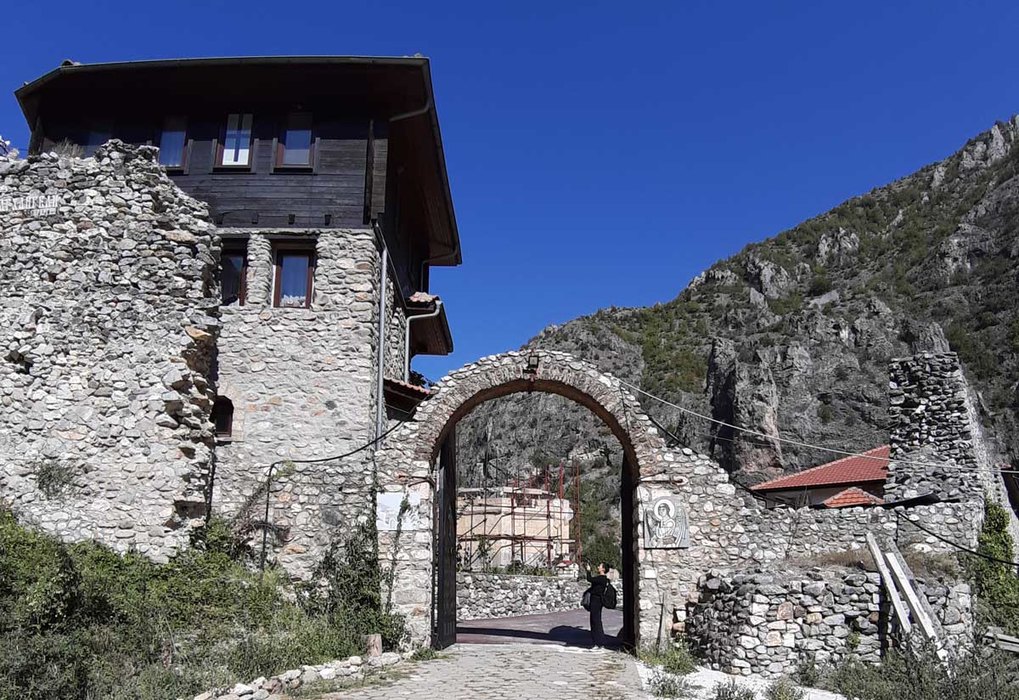
She emphasized that there were many archeological sites in Kosovo, but that work on those projects had stopped after the war in 1999 for political reasons, but also due to a lack of finances.
"We should have cooperation with institutions in the region that deal with tourism, but we also need more support in terms of promoting tourism potential, as well as financial resources," Djokic said.

0 comments