
Kurti does not change his political course because the majority of the Albanians trust him despite the crisis he introduced Kosovo into
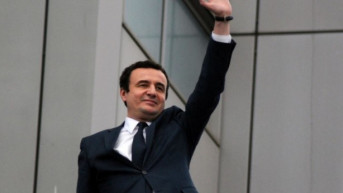
Since the crisis in the north of Kosovo flared up with the moves of the authorities in Pristina, many are looking for an answer to the question of how Prime Minister Albin Kurti, despite the pressures of the US and the EU, sanctions, and threats from the opposition that they will try to overthrown him, still does not change his political course and continues the confrontation with Brussels and Washington. In the opinion of the largest number of analysts, Kurti has the "wind at his back" given the huge support of the Albanian voters in Kosovo, and according to the latest surveys, as many as 51 percent of them believe that the Prime Minister is doing his job well.
According to the Kosovo Online interlocutor, in the context of the stronghold he has in the electorate, it is also worth observing Kurti's latest political maneuver to request a change in the sequence of steps agreed with the EU in the direction of de-escalation, i.e. the request that sanctions be lifted against Kosovo first, and only then will he enable new local elections in Serb majority areas in the north.
Kurti derives strength for his "tough" attitude towards the crisis in the north of Kosovo to a large extent from the hard core of Albanian voters, who like everything he says to powerful allies and who constantly seeks blame among the Serbs in the north and official Belgrade, say experts on the situation.
That this is the case, the opposition in Pristina reluctantly admits that even though it has been calling for the overthrow of Kurti's government for days, when everything is taken into account, it does not have a majority in parliament for such a thing. As things stand now, it will be difficult to go with the plan to replace the current government with civil protests, which was also one of the ideas in opposition circles.
On the other hand, the Self-Determination Movement confidently says that "there is no political force that can topple the Kurti government, and there is no need for new parliamentary elections."
The last survey of public opinion in Kosovo conducted by UNDP showed that the percentage of those who are satisfied with the work of institutions, especially Prime Minister Kurti, is growing. For Demush Shasha from the EPIK Institute, the explanation for this trend is obvious, it is Kurti's stance against dialogue with Serbia. According to Shasha, all the moves made by Kurti regarding the north are "patriotic and sovereign politics" in the eyes of the citizens.
"This also explains the horizontal increase in citizens' satisfaction with all institutions in the country, without exception. In times of crisis and facing external factors, the internal homogenization of society is a natural reflex," Shasha says.
For Slobodan Zecevic from the Institute for European Studies, there is no doubt that the nationalist ideology, as advocated by Kurti, gives positive results when it comes to the support of the electorate.
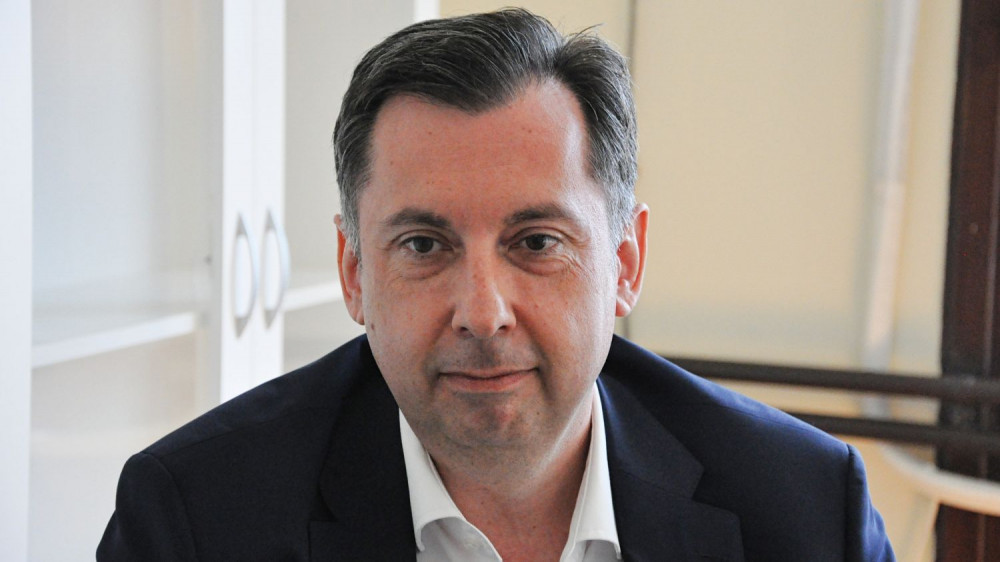
"That was the case in the past in the Balkans and Kurti thinks that this extreme nationalism of his will give results. I am talking about extreme nationalism in Croatia, and Bosnia and Herzegovina. I think that Kurti believes that he will also succeed in this, with this Albanian nationalism. That nationalism among smaller nations, who have certain complexes towards the Serbs, is quite popular. Albanian nationalism, for example, was popular among the Albanians in Kosovo and during Yugoslavia; although, they lived much better than the Albanians in Albania, but they wanted to unite even then with Albania. That nationalism should never be underestimated, it is an integral part of those people who are not yet sufficiently nationally affirmed," Zecevic says.
He indicates that Kurti believes in the ideology of Albanian nationalism and that the recognition of the opposition in Pristina that it currently has neither political strength, nor a majority in the parliament to overthrow the government, whose backbone is Self-Determination, is helping him with the voters.
"Now things should turn around by the action of the West seriously denying him support. The West has its own geostrategic interests and will not begrudge the Albanians much. As long as they consider that an independent Kosovo is the best solution for them, they will not change the situation in Kosovo much," Zecevic says.
Nemanja Zavisic, an analyst at the Center for Social Stability, tells Kosovo Online that Kurti's strong foothold in the Albanian electorate should not be overlooked.
"He gained such a rating for two reasons. On the one hand, his opponents are compromised politicians from the past, whose parties are completely fragmented, and the policy is unclear. On the other hand, by constantly creating crises and tightening his policy towards the Serbs, he successfully plays the card of emotions and thus buys the sympathy of the Albanians," Zavisic says.
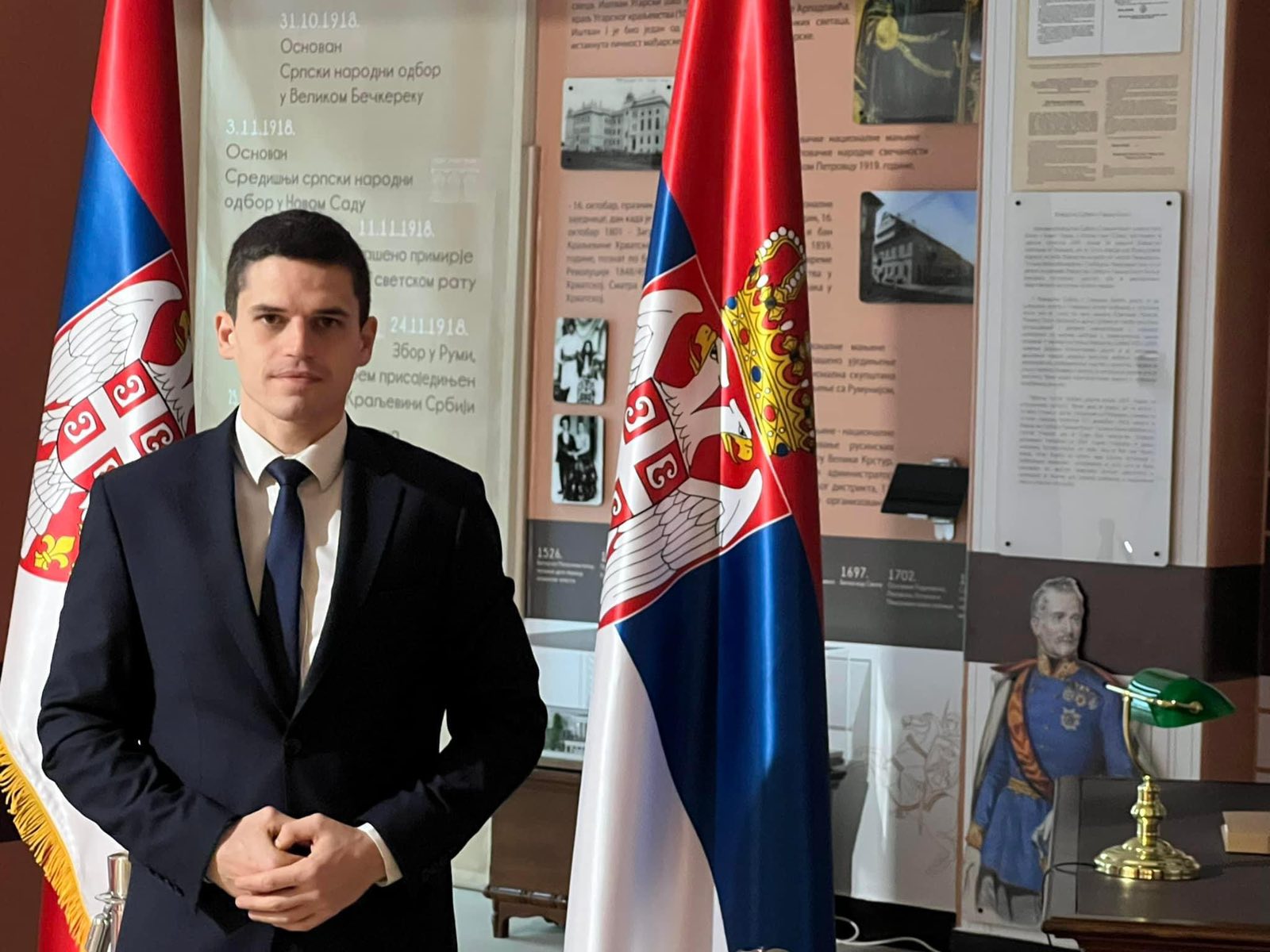
He points out that objectively, the results of the work of the Kurti administration are devastating, but that this obviously still does not affect to a large extent the support that the current Prime Minister of Kosovo has.
"The economy literally does not exist, the infrastructure also, corruption and crime are flourishing, and young people do not see any perspective. And precisely because of this, Kurti needs some enemy, some crisis, and conflict, which will cover all these objective indicators and, despite everything, keep him in power. In addition, it should always be remembered that he is also ideologically an extremist and chauvinist, a follower of Demaci and Hoxha," our interlocutor points out.
Because of all of the above, he adds, he thinks that the dialogue between Belgrade and Pristina as long as Kurti is in power will be at a dead end, focused exclusively on crisis management.
"It is impossible to make compromises with him because he is not interested in the normalization of relations between the Serbs and the Albanians. He is not interested in the economy nor in anything else except to expel the Serbian name and surname from Kosovo and Metohija. In this sense, we need great political wisdom, unity, and patience. It is important that the relations of the Serbs from Kosovo and Metohija and Belgrade are excellent, i.e. that there is great trust of our compatriots from the province in President Vucic, as well as excellent communication between the SOC and the state leadership," Zavisic points out.
He also notes that it is completely clear that everything Kurti does, he does not do alone and that he certainly has the support of some power centers from the political West.
"That support is sometimes complete, sometimes partial, but we should certainly not be fooled that he is so naive as to go against the sponsors and protectors of a fake state, or that they, on the other hand, are so weak that they can't do anything to him. It's all a joint game of theirs that has the same goal - rounding off the so-called Kosovo project. Maybe sometimes their tactical moves are seemingly different, but the strategic goal is always the same and that will hardly change in the near future," he concludes.



0 comments