
What does Bled bring: Modest reach of regional forums; decreasing political influence of the EU
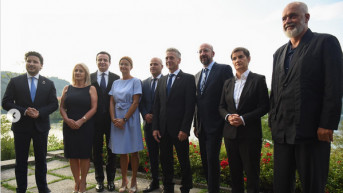
Talks at regional forums, such as today's in Bled, Slovenia, do not have large scopes, but are more of a protocol type, so we should not expect a big contribution from them in solving some serious political problems, such as the crisis on the Belgrade-Pristina route, the interlocutors of Kosovo Online say.
During the year, a large number of regional gatherings were held in which EU officials also participated, but as far as the crisis in Kosovo is concerned, those meetings are only "feeling the pulse" before some future official talks.
The two-day Bled Strategic Forum, which this year is being held under the slogan "Solidarity for Global Security", will be attended by Prime Ministers from the region, the President of the European Council, Charles Michel, as well as the Special Representative for Dialogue between Serbia and Kosovo, Miroslav Lajcak. Kurti and Serbian Prime Minister Ana Brnabic will appear together on one of the panels. Today, Lajcak also met with Vjosa Osmani in Austria, where the European Forum "For a Bold Europe" is being held in Alpbach.
Foreign policy commentator and long-time correspondent from Germany, Miroslav Stojanovic, is of the opinion that the scope of such gatherings is not great and that their importance is more in the bilateral talks that take place on the margins. He adds that they can be useful if they include some financial support from the EU; otherwise, they are more of a game of diplomacy, without any effect.
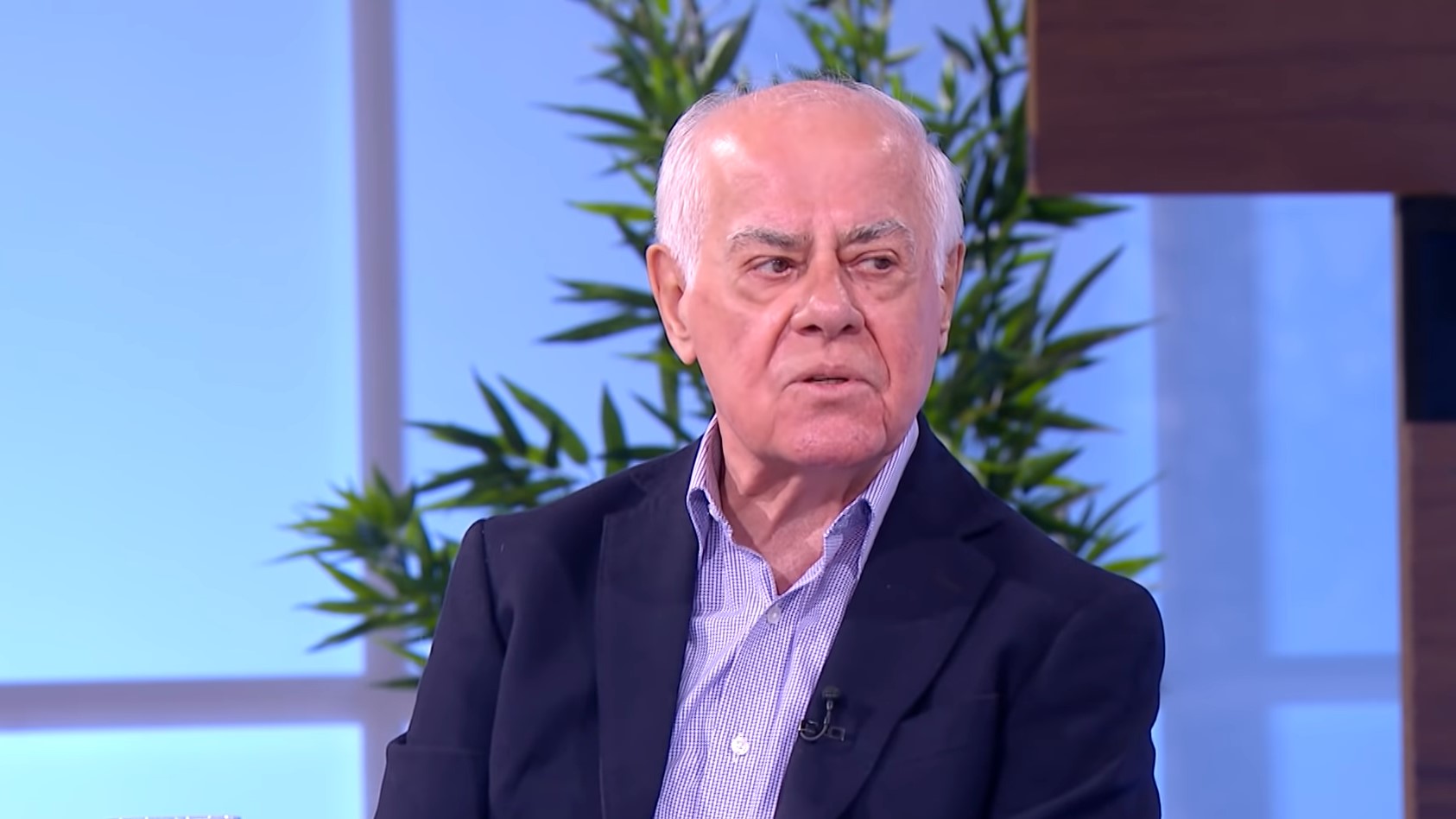
When asked whether the meetings in Bled and Austria would be some kind of "preparation of the ground" for the continuation of the dialogue in Brussels, Stojanovic does not expect any significant developments.
"We are entering a time of trouble; the battle is against time to achieve something more serious in that dialogue, at least by the end of this year, because next year a political vacuum is expected when it comes to that topic, considering the elections in the USA and the EU. Some of those figures who are now on the political scene will probably no longer be in their current positions. The question is what will happen to the European Head of Diplomacy, Josep Borrell or Lajcak in that new composition in the EU institutions. They otherwise have a very poor record in the field of dialogue between Belgrade and Pristina; they couldn’t start anything, it is like squaring the circle, regardless of all the optimistic promises of Lajcak and the deadlines he kept giving that something would be started. Lajcak has been in the position of Envoy for more than three years, he had the strong support of European countries, and he was the candidate of Germany, more precisely the former chancellor Angela Merkel. Lajcak still has some formal support, but it does not produce results. The question is also how interested the Americans are in this issue, it seems to me that they are not too much. They are the only ones who can initiate something in that dialogue, the Europeans cannot," our interlocutor believes.
He expects that pressure will be exerted on Kurti and Osmani in Bled and in Austria to fulfill the demands of the USA and the EU for de-escalation in the north of Kosovo, but not that these pressures will bear fruit.
"There will be pressure on both sides, but it is obvious that serious pressure has not been exerted on Kurti so far. Let us take as the best example the ban on the entry of Serbian goods into Kosovo, because of which both the Serbs and the Albanians suffer. If Europe wanted to, it could have at least solved it. I take that as an example of the EU's impotence and anemia. But these gatherings have become a tradition and a kind of ceremony. It's good to be there because it's better to be there when you're being discussed." Stojanovic says.
He also indicates that the aim of these gatherings is for the hosts to position themselves more strongly on the global and regional stage and to attract those who are in any way distant or hesitant in anything.
"Now, of course, strategically and politically, Europe is less important to Europeans than, say, Africa, especially the south of that continent, which did not join in the fierce campaign against Russia, that's where BRICS Plus is being created. One can already sense that a group of serious countries is being created as a counterweight to the hegemony of the USA. Regardless of the stories that the international world order is not changing, it is obvious that it is changing, its contours can be sensed, although not everything has settled down yet. There are still aspirations and ambitions of those who, for example, set the pace for decades in the world, above all Washington, but also the EU, which politically no longer has the possibility to do something more serious on the global level, it lost, especially with the war in Ukraine and the iron discipline imposed on it by the USA," Stojanovic concludes.
Vice President of the Center for Foreign Policy, Suzana Grubjesic, tells Kosovo Online that the Bled Strategic Forum and the Alpbach European Forum this year have similar themes, adding the same participants, and many try to attend both events.
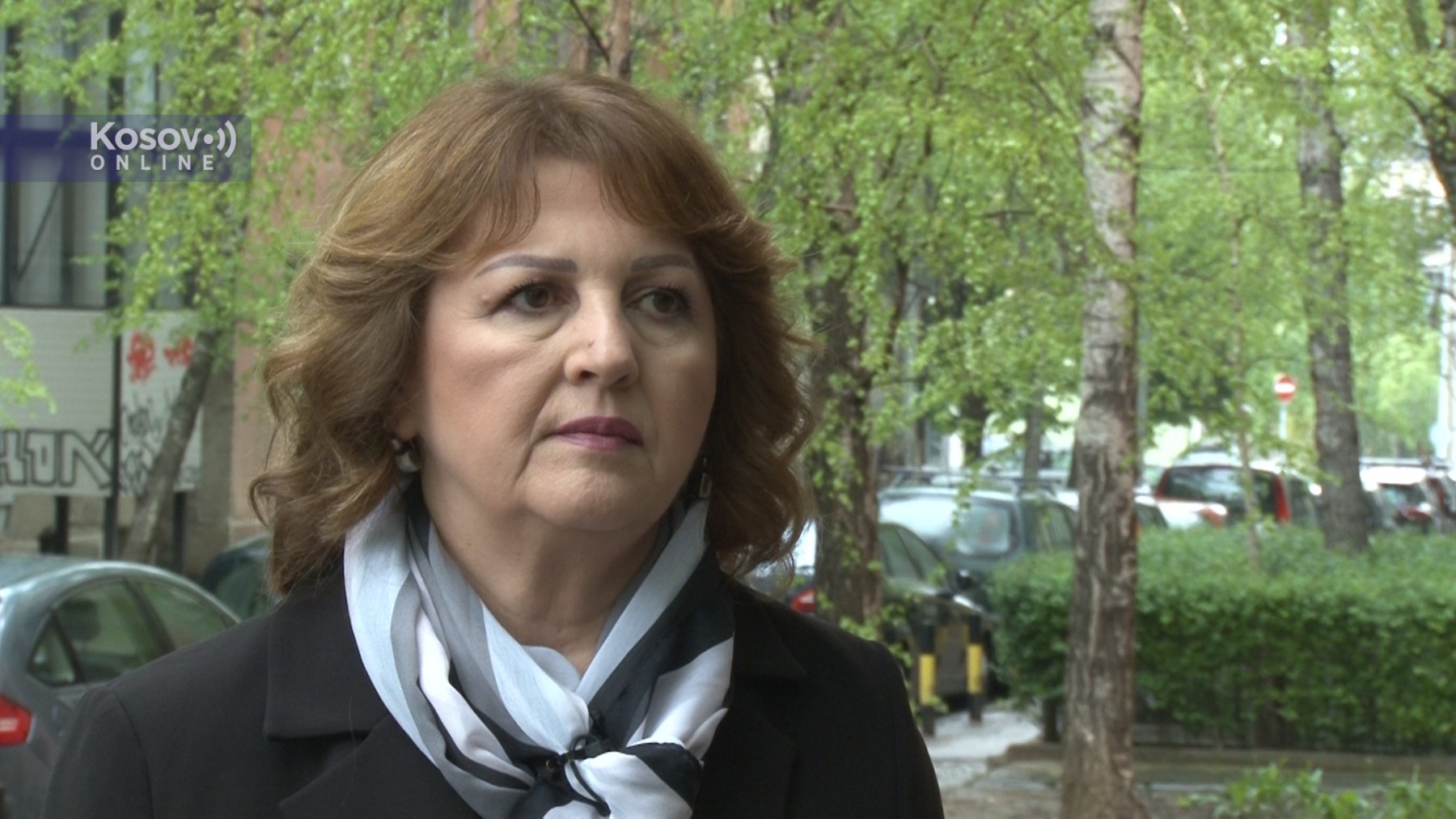
"Slovenia and Austria, as hosts, focus on current European and world topics and the regional aspect is not neglected either. It is useful for the region to participate in such initiatives, but we should not expect any significant results because these are not places where open issues are resolved. The Kosovo delegation was distributed in both places, Lajcak is in Alpbach, and the Prime Minister and the Minister of Foreign Affairs of Serbia are in Bled; European officials have also been distributed, but apart from speeches and discussions on the margins of both gatherings, no decisions will be made," she believes.
In her opinion, the European Representative for Dialogue Miroslav Lajcak, and the US Envoy for the Western Balkans, Gabriel Escobar, will in the following period try to start the negotiations between Belgrade and Pristina from the deadlock and before that implement the European plan on de-escalation in the north.
"However, the behavior of the Kosovo authorities during the summer break does not at all assure that they will go in that direction. We can also expect visits to the region, discussions, and persuasion that the Serbs should unconditionally participate in repeated elections in the north of Kosovo," Grubjesic believes.
0 comments