
Why are property rights not considered sacred in Kosovo?

The usurpation of the Rajska Banja complex in Banjska by the Kosovo authorities is just a continuation of Pristina's behavior since 2008 regarding Serbian property in Kosovo, both private and social. What is surprising is that representatives of international missions in Kosovo have been silently observing such actions all along, while property rights are considered sacred in their countries.
The construction of Rajska Banja was financed by the Government of Serbia through the Office for Kosovo and Metohija. On Tuesday, Kosovo Police officers entered this complex, and the next day, the Minister of Internal Affairs of Kosovo, Xhelal Svecla, "clarified" the situation. According to him, there is no doubt that the Kosovo Privatization Agency owns Rajska Banja, and he labeled the entire action as a "lesson for all those who want to invest illegally". The Ministry of Internal Affairs of Kosovo has taken over the use of the complex, concluding the matter from Pristina's perspective.
Just like in the case of land expropriation in the north in the recent period, for which Kosovo was warned in a recent report by the legal experts of the Parliamentary Assembly of the Council of Europe for violating the rule of law. According to their records, since August 2022, the Kosovo Government has adopted decisions to expropriate 118 land parcels in the north, and these decisions did not identify a public interest that makes these expropriations necessary.
From Serbia's perspective, what happened on Tuesday in Banjska was the confiscation of property in which the Serbian Government invested through the Office for Kosovo and Metohija to develop this part of the municipality of Zvecan.
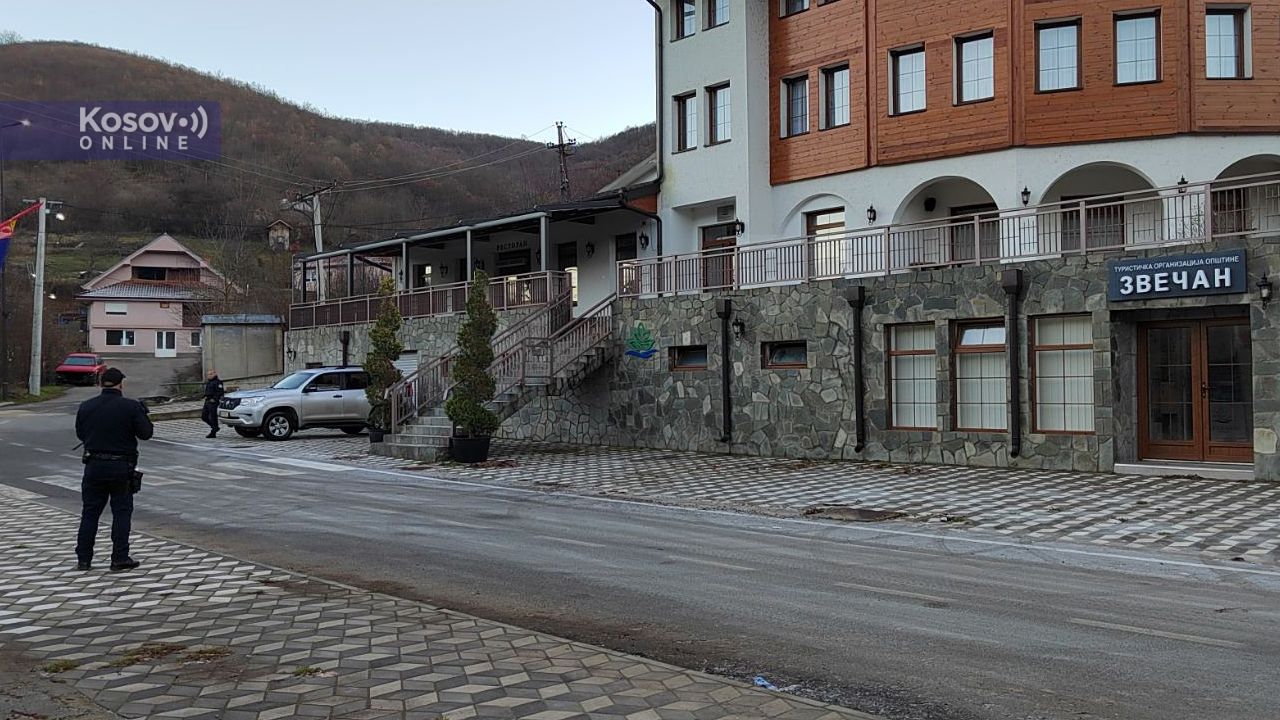
President of Serbia Aleksandar Vucic today said that in Pristina, they would "like to erase the name Banjska" and the complex in which Serbia has invested a significant amount of money.
"And then erase the Serbian name and surname in Kosovo and Metohija, and they do it thoroughly with the loud silence of the world", Vucic said, simultaneously stating that the Serbs would survive and preserve their property and capital.
The Director of the Office for Kosovo and Metohija, Petar Petkovic, stated that the Rajska Banja complex was one of the most significant investments of the Government of Serbia and the Office for Kosovo and Metohija, aimed at developing the area, employing young people, and providing treatment for thousands of patients and jobs for dozens of people.
"Without the CSM, the problem is everywhere. In the municipality of Zvecan, there is a blatant usurpation of the private property of the Serbian Orthodox Church, the complex 'Rajska Banja'. And then someone comes and says it's not yours, it's ours. How can it be yours when you haven't built it, have never been there, and don't have a single document? This is the true face of today's situation in Kosovo and Metohija, legal violence, and revenge against the Serbs", Petkovic emphasized.
Following the Kosovo Police's raid on the "Rajska Banja" complex, the Vice President of the Serb List, Dragisa Milovic, sees the quiet exodus of the Serbs from northern Kosovo as the goal, reminding that the complex was built with funds from the Government of Serbia, the Eparchy of Raska and Prizren, and the Office for Kosovo and Metohija.
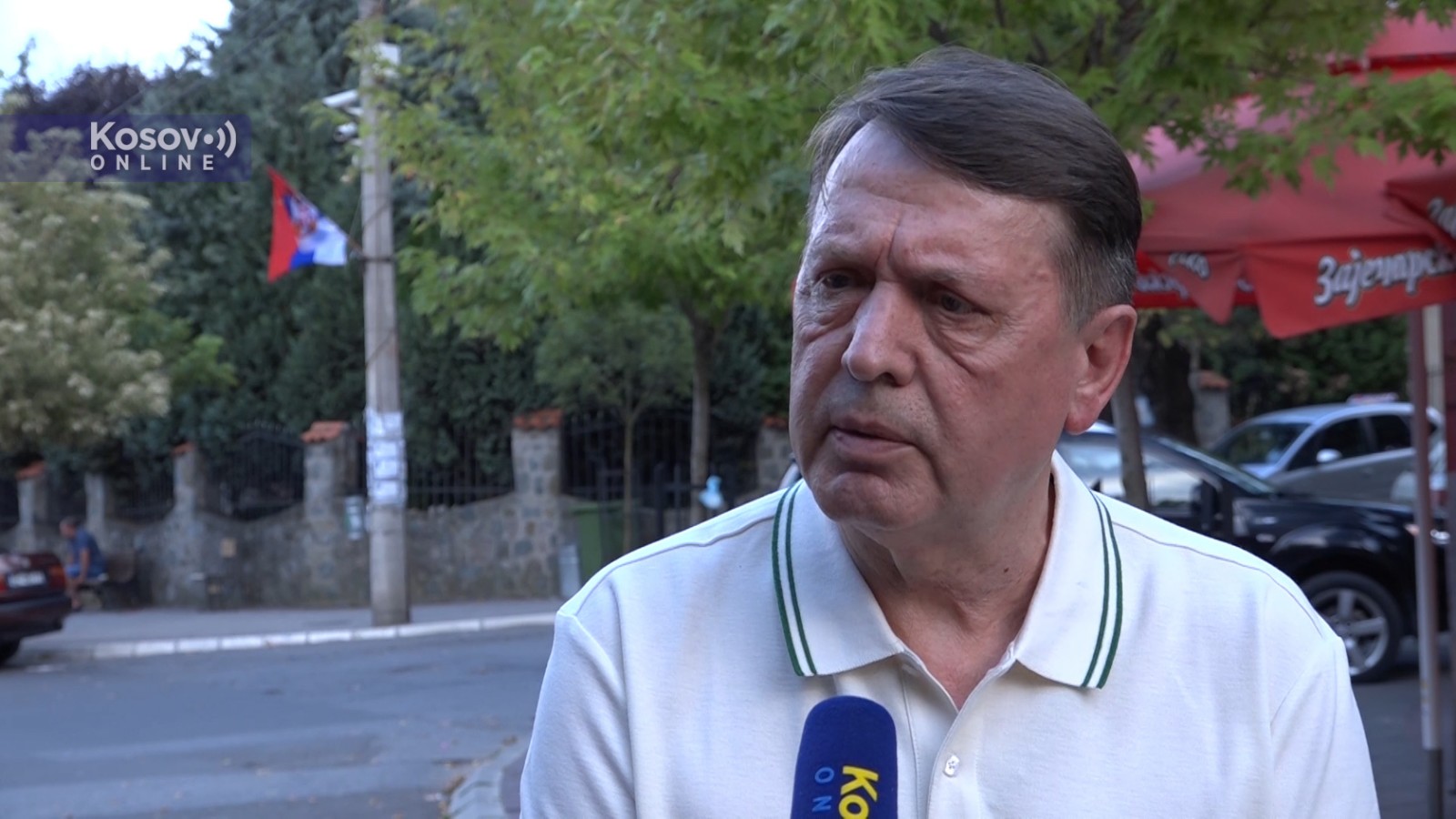
"And now someone is trying to forcibly usurp it and hand it over to the Kosovo Police. Sixty locals found employment there, 60 families lived off work in that complex, and thousands of our patients used the spa for treatment. With this move, people are denied the right to work and treatment. This is intimidation to make residents leave their ancestral homes. We are concerned about what the days ahead bring, considering that violence is everywhere in this situation", Milovic stated, adding that Rajska Banja was located in a protected cultural heritage zone, which was also not being respected.
Historian Luka Jovanovic, in a statement to Kosovo Online, warned that the fact that the Kosovo Privatization Agency had confiscated the hotel in Banjska and leased it to the Kosovo Police should be understood as a part of a broader global plan to seize everything that was Serbian and expel the Serbs from Kosovo. Jovanovic believes that this time, too, the Serbs will not receive protection and support from the international community, which, he says, is a "partner, if not the sponsor, of all actions by Pristina in northern Kosovo and Metohija".
"Over the centuries, Banjska has been a symbol of survival and the struggle of the Serbs for life in these areas, as evidenced by the centuries-old monastery located in Banjska itself. In recent years, we can see that life in Banjska, as a rural part of the Zvecan Municipality, has progressed significantly, especially with the construction of the renowned 'Rajska Banja' complex. This includes the revitalization of the old spa complex, the construction of hotels, and the employment of local residents. Banjska and its population have economically progressed, and Banjska has become a significant tourist attraction in northern Kosovo, i.e., the Municipality of Zvecan", Jovanovic said.
He says that in recent years, foreigners, not only Serbs but also Albanians and others seeking healing, have visited "Rajska Banja".
"It is an interesting question and irony of fate that a place that served for relaxation and healing is now being turned into the headquarters of Pristina's so-called police forces and a center of cruelty and lawlessness. Now, Rajska Banja, which was once a beautiful spot, will take on such a negative aspect. In fact, we can see the principle by which Pristina operates, that it is crucial to take over everything and occupy everything that is Serbian, regardless of the consequences", Jovanovic pointed out, who believes that this is not the end and that such things will continue to happen in the future.
Regarding the Kosovo Police's raid on the "Rajska Banja" complex, lawyer Milan Antonijevic told Kosovo Online that he expected a stronger reaction from the EU and the US because, he says, Kosovo could not be a society that did not guarantee human and property rights.
"With such an attitude, they really won't be able to go anywhere", he says.
Antonijevic states that efforts have been made for years to secure property rights for the Serbs in Kosovo. On the other hand, there are discussions about companies and what is owned by shareholders from Serbia or the Serbs from Kosovo.
"These are all questions that need to be posed to the Pristina authorities. I hope that the international community will stand on the side of those who seek the full realization of property rights, that we don't have this kind of abuse of the Kosovo Police", Antonijevic stated.
According to him, it is evident that the incidents over the past year and more are an attempt to send a message that the Serbs are not welcome in Kosovo. These incidents, he concluded, evidently served Pristina to resolve the issue of negotiations in Brussels and everything for which Serbia had been trying to find a solution for decades—to protect the Serbian community in Kosovo, realize their rights, and form the CSM.
Warning that Pristina's action in Banjska may not be the last of its kind, analyst Leart Hoxha points out that the Kosovo Privatization Agency possesses a list of other "controversial properties in northern Kosovo".
"It is true that the Kosovo Privatization Agency has some list with dozens of land or property ownerships that they currently do not dispose of, mostly in four municipalities in northern Kosovo. They have them recorded in their property lists and lists for which they officially have the right to put them through the privatization process", Hoxha stated for Radio Kim.


0 comments