
Will there be extraordinary parliamentary elections in Kosovo by autumn?
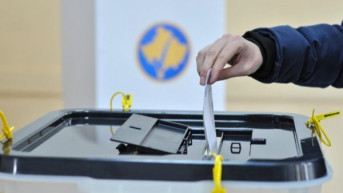
The actions of the Kosovo Prime Minister and the leader of the Self-Determination Movement Albin Kurti in the coming period, the persistence of the opposition, as well as the relations with the international community and the United States of America, will decide whether new parliamentary elections will be held in Kosovo by the fall, according to Kosovo Online interlocutors.
After the new mayors of the northern municipalities, with the help of the force of the Special Unit of the Kosovo Police, entered the buildings of the Municipality of Zvecan, Leposavic, and Zubin Potok, and the conflict between KFOR soldiers and the Serbs from the north, when several people were injured on both sides, was followed by harsh criticism from the international community. EU and other actors demand that the Kosovo government withdraw the Special Police from the north.
The harshest condemnation came from the US, which imposed sanctions on Kosovo and excluded KSF from the "Defender Europe 23" military exercise, after which the Kosovo opposition reacted with criticism of Kurti and a call for a vote of no confidence in the current government.
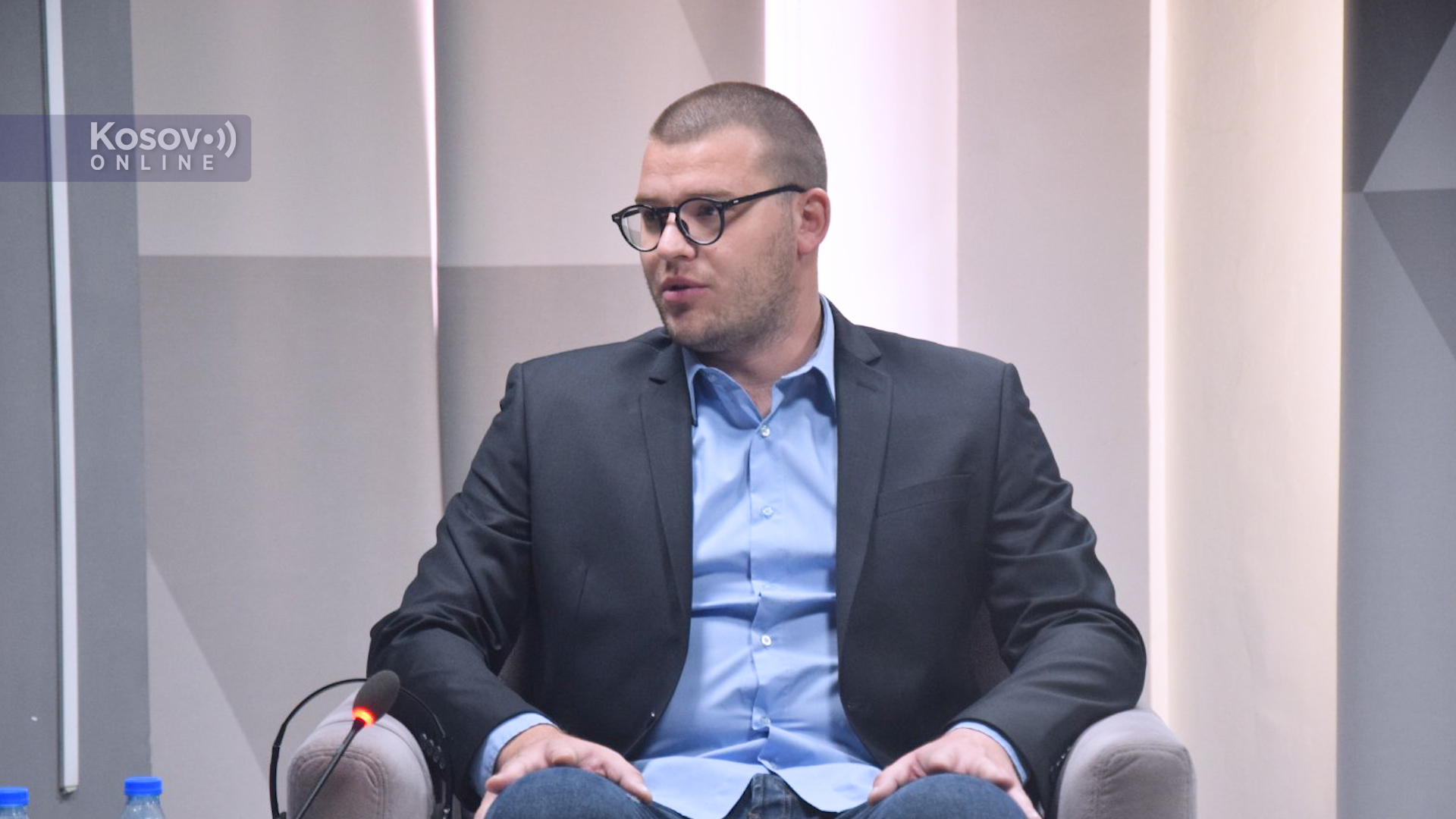
In the context of current events, there may be new elections in Kosovo in a relatively short time, according to a senior researcher at NGO "Aktiv" Igor Markovic.
He believes that we should not forget how unpredictable Kurti is in his decisions, but that if the pressure of the international community continues to grow, the elections will be more certain.
"If the opposition acts unitedly in exerting pressure on Self-Determination, and sufficiently involves the general public, it is very possible that Kurti will be forced to organize elections. However, Kurti, especially in the last few weeks, has shown himself to be unpredictable in terms of the moves he makes on the domestic and international scene. We should not forget that Self-Determination with its coalition partners also has a comfortable majority in the Parliament, which is a luxury that Kurti is certainly not willing to be deprived of. In addition, if the international community's pressure on Kurti grows exponentially, the prospects for extraordinary parliamentary elections will become more and more certain," Markovic said.
He added that the current situation in the north of Kosovo affected the eventual holding of elections, stressing that Kurti's Self-Determination, in the absence of economic progress, the fight against crime, and other failures during the reign, had used the rhetoric of "criminalized Serbs".
"They influence to a great extent, especially among that part of the population that leans to the right. Self-determination, due to the failure in terms of strengthening the economy, the fight against corruption, and revitalization of the health and education system, tried to compensate for the decline in popularity by shifting the focus of the public to the north. The primary role of this kind of politicking was definitely Kurti, who carried out his policy by pushing a narrative about the need to fight the so-called criminalized north, parallel institutions, collecting material about the alleged lawsuit for genocide, etc.,” Markovic emphasized.
According to him, the opposition in Kosovo will use the criticism directed at the authorities in Pristina to oust Kurti from power, asking for a vote of no confidence in the government right now.
"As for the opposition parties, it is clear that the recent and unusual criticism directed at Pristina by prominent officials of the international community will be used for the political struggle to overthrow Kurti and the dominant position of Albin Kurti. For now, PDK, AAK, and PSD are the loudest in criticism, while behind them is still the LDK helmet, for which it seems that internal consolidation is still in progress. However the situation in the north develops, it will have a huge impact on the future (re)distribution of power on the Kosovo political scene," Markovic said.
The success of Self-Determination in the next elections, if they are held soon, according to Markovic, will depend on Kurti's behavior regarding the North in the coming days.
"Kurti and Self-Determination have already lost the support not only of the US but also of the rest of the international community, on which its officials did not hide their views. The (failure) of Self-Determination in the potential extraordinary parliamentary elections will directly depend on how in the coming weeks Kurti will try to deal with the crisis in the north. The longer he delays the peaceful resolution of the current situation in the north, the less support he will have in Kosovo, precisely because of the increasingly loud criticism of Self-Determination in general and Kurti in particular," Markovic concluded.
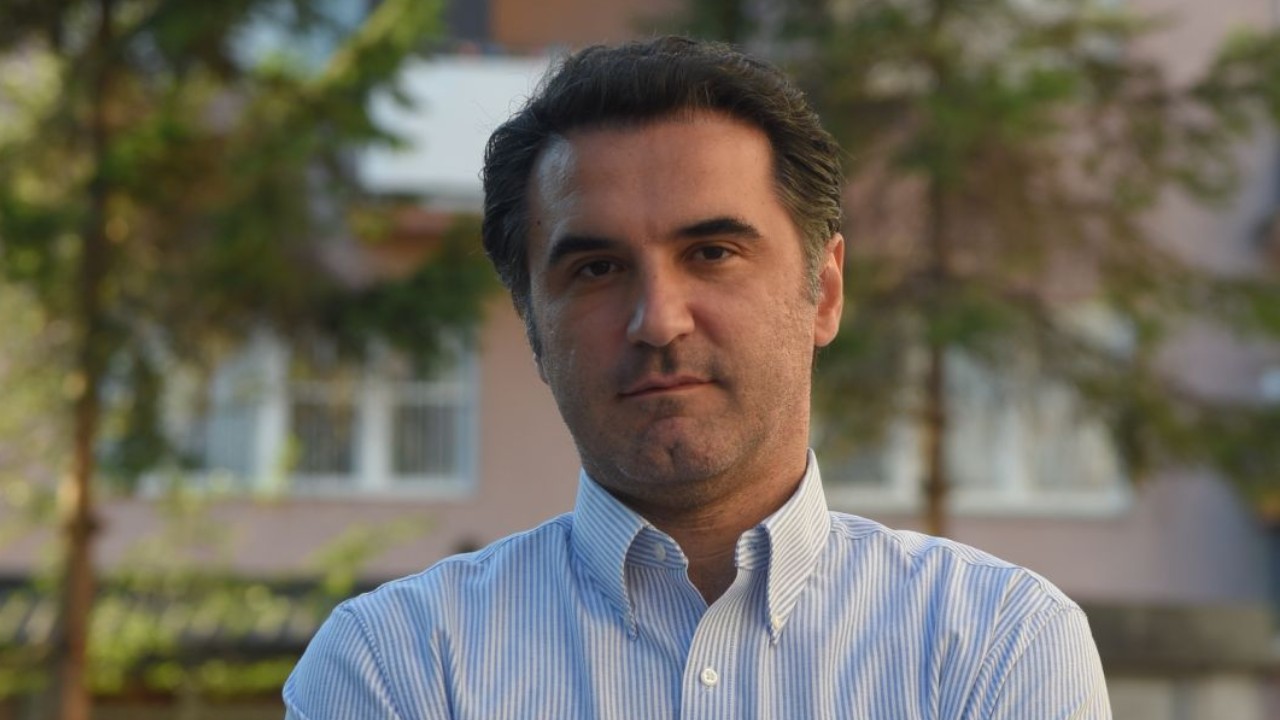
Analyst and sociologist, Artan Muhaxhiri believes that many future events will depend on how the crisis in the north of Kosovo will end.
As he states, the holding of new parliamentary elections in Kosovo is influenced by many factors.
"Elections in Kosovo are a complex process involving many important actors, Kosovo, regional and international. Therefore, the planning of new elections depends on many factors. The current situation is very nebulous, but many future events will be conditioned by the way in which they will be held in the end," Muhaxhiri said and added that, if Kosovo's political situation reached an impasse, the only solution would be new elections.
According to Muhaxhiri, the result of the potential elections will also be influenced by the current relations with the US, because America's influence on the citizens of Kosovo is very strong.
He adds that, if relations remain "strained", it would certainly affect the election results.
"In case of new elections, the result of the Self-Determination Movement will be affected by part of its image related to relations with the United States. Kosovo citizens are considered the most pro-American in the world, and for historical reasons, the political, symbolic, and emotional influence of the United States is extremely strong on its society. If the current negative state of relations between the Government of Self-Determination and the US continues, it will undoubtedly harm them politically in the elections," Muhaxhiri said.
In addition to relations with the US, the outcome of the possible elections would also be influenced by the opposition, which Muhaxhiri considers weak.
"Of course, a lot will depend on the level of preparation and the quality of the opposition's offer. At the moment, the Kosovo opposition is weak and without a clear strategic vision of how to most effectively fight against Prime Minister Kurti and his party," Muhaxhiri said.

0 comments