
Mijuskovic: Inflation as an economic and social problem
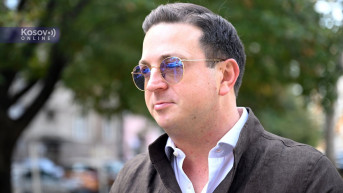
Economist Veljko Mijuskovic said that energy and food costs are the factors contributing most to rising inflation, but that high dependence on imports is creating additional inflationary pressure in the region, including Kosovo. He believes inflation is not only an economic problem but also a social one, as it affects the poorest citizens the most.
“Energy costs are passed on throughout the entire supply chain. As soon as they rise, the first costs to increase are those of transport and logistics, followed by production and distribution costs, and then, in turn, the costs of all products,” said Mijuskovic, who pointed out that Kosovo's distinct monetary policy and the adoption of the euro as its currency represent an additional risk factor.
Mijuskovic warns that inflation has a negative effect on social inequality, as when prices rise, the poorest segments of society have to spend more money on food, utilities and similar expenses.
“The measures introduced should be aimed at helping the poorest groups, through one-off assistance and systematic solutions to energy-related problems for the season, and similar measures,” Mijuskovic explained, adding that these are the first concrete steps that could ease the impact of rising inflation on household budgets.
He added that, in his view, uncontrolled measures targeting everyone should be avoided, as they could further intensify inflationary pressures.
Mijuskovic stressed that inflation is not only an economic issue but also a social one, as it places additional pressure on the poorest groups.
“Social inequality is increasing and causing instability, or political tensions. France is an example of this, where a deteriorating economic situation, accompanied by protests in the education sector, led to an escalation of clashes in the streets of Paris and other cities. A poor economic situation and a heightened level of uncertainty have a negative impact on society,” he concluded.



0 comments