
Milovic: It has been harder for us than at any time since 1999, 18 percent of Serbs have left northern Kosovo in five years
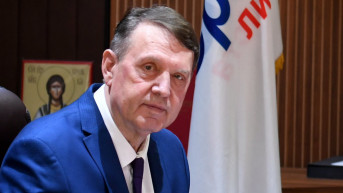
Serbs in Kosovo have been under tremendous pressure for years, facing what Dragisa Milovic, Deputy President of the Serb List and Mayor of Zvecan, described as the terror of the current authorities in Pristina, Albin Kurti and Self-Determination, with the aim of forcing them to leave the area. Unfortunately, he said, this is succeeding, because it is not only Serbs south of the Ibar who are leaving. Over the past five years, 18 percent of Serbs have left northern Kosovo.
In an interview with Novosti, Milovic said that doctors, as well as entire families, are leaving because they do not feel secure or safe and therefore see no prospects or future for their children.
In recent months and weeks, we have witnessed a wave of arrests of Serbs over alleged war crimes, secret indictments have been activated, and new investigations and excavations have been launched at locations suspected of containing the remains of missing persons.
These arrests are a message that our already difficult lives will be made even more difficult, because no one knows what lists or secret indictments they may be on. People are being arrested on allegations of war crimes, indictments are being issued in absentia, and every day at border crossings or if you are stopped and asked for identification somewhere, you worry about whether you will be arrested. Serbs in Kosovo and Metohija are a minority community, in their own country, and are in the most difficult situation they have faced in 21st-century Europe.
You have spent your entire life in northern Kosovo and have been directly involved in resolving some of the most difficult crises. In your assessment, is the current situation the most difficult since 1999?
Yes, the situation has never been more difficult. March 17, 2004 was also extremely difficult, and in 1999 we watched columns of refugees and internally displaced people from Metohija pass through Mitrovica and Zvecan, and we tried to stop them. Now all of this is happening in the presence of the international community, KFOR, EULEX, UNMIK, the OSCE, representatives of the EU and others. They all condemn it officially, in words, but look favourably upon what Kurti and Self-Determination are doing.
You mentioned a sense of legal insecurity, not only among those who live in Kosovo but also among people who occasionally come there for work, education or family reasons.
Those who were forced to leave their homes in 1999 under pressure from Albanian extremists, when they return to visit their property and report an Albanian neighbour for causing damage, stealing or cutting down trees, are arrested by the police, taken to prison and charged with war crimes based on the testimony of two witnesses. In other words, the message being sent is that even those who were expelled cannot return to their homes. And those who stayed are also being told that they are not welcome. Despite significant funding from the Republic of Serbia, this uncertainty, compromised security and lack of prospects are causing people to say, “I do not want to find myself in that situation at all.” They leave well-paid jobs. I am talking about my fellow doctors, who take lower-paid positions in central Serbia because they fear for their children's future. At the same time, we hear talk of democracy and the multicultural nature of Kosovo's society, but it is alarming that all of this is happening before the eyes of the EU, Brussels and international representatives and that, apart from mild words of condemnation and regret, absolutely nothing is being done.
After the elections and the return of Serbian representatives to the municipalities in the north, the position of the Serbian community has essentially not improved, while the pressure has merely taken a different form, through the judiciary, police actions and administrative measures?
First, we found municipal offices devastated and destroyed. They hired more than 100 Albanian officials, I am referring to the Municipality of Zvecan, who do not speak Serbian. And the problem is not that they are Albanians, but that they do not have the appropriate qualifications. So now, in a municipality such as Zvecan, where 96 to 97 percent of the population is Serbian, when you come to resolve an issue that falls under the responsibility of local government, you encounter a language barrier. On the other hand, when we try to hire new, qualified people for those positions, we face obstruction from Pristina. They do not help us improve infrastructure or build new sports facilities and kindergartens. Instead, they make it more difficult for us. During the eight months that we have been in office, we have not been able to spend a single euro on capital projects and investments. I am afraid that the year will pass in the same way.
Are you concerned that Pristina will try to compensate for the political dead end it finds itself in by putting even more pressure on Serbs?
Yes. This situation, in which Kosovo's Constitution and laws are being ignored and trampled upon, only benefits Kurti. According to him, political points are gained by arresting Serbs, applying pressure and accusing them of war crimes. He has no new jobs or economic stability to offer his voters. This deepening political crisis will only cause even greater harm to us Serbs living in Kosovo and Metohija.
Kurti is not giving up his attacks on the Serb List, and the latest pressure has come in the form of summonses from the Pristina judiciary to party representatives because they headed institutions that Pristina does not recognise?
They will respond to the summons and attend the questioning and prove their innocence. We know that the truth is on our side. Kurti is obviously sticking to what he told us long ago, that “the Serb List will suffer and pay.” This is yet another form of pressure, just as what is happening at Gazivode Lake, where holiday homes and houses belonging to people who have invested in their properties for decades are being demolished without court orders, is evidence of lawlessness and terror against Serbs.
Has the Belgrade-Pristina dialogue effectively lost all meaning today?
There is virtually no dialogue. We had the opportunity to say this to EU mediator Peter Sorensen as well. The Brussels Agreement is also a dead letter on paper. It is not being implemented, even though it was approved by a two-thirds majority in the Assembly in Pristina. It is obvious that they are now trying to “finish the story” with the Serbs. I sincerely hope that this will not happen. We live on our own land, we have taken nothing that belongs to anyone else. It is difficult, but I hope we will endure.

0 comments