
Bajsanski: We want Gracanica and Brezovica to feel as familiar to children as Tara and Kopaonik
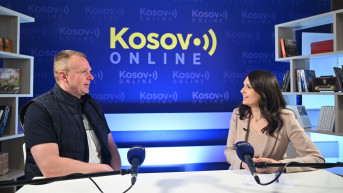
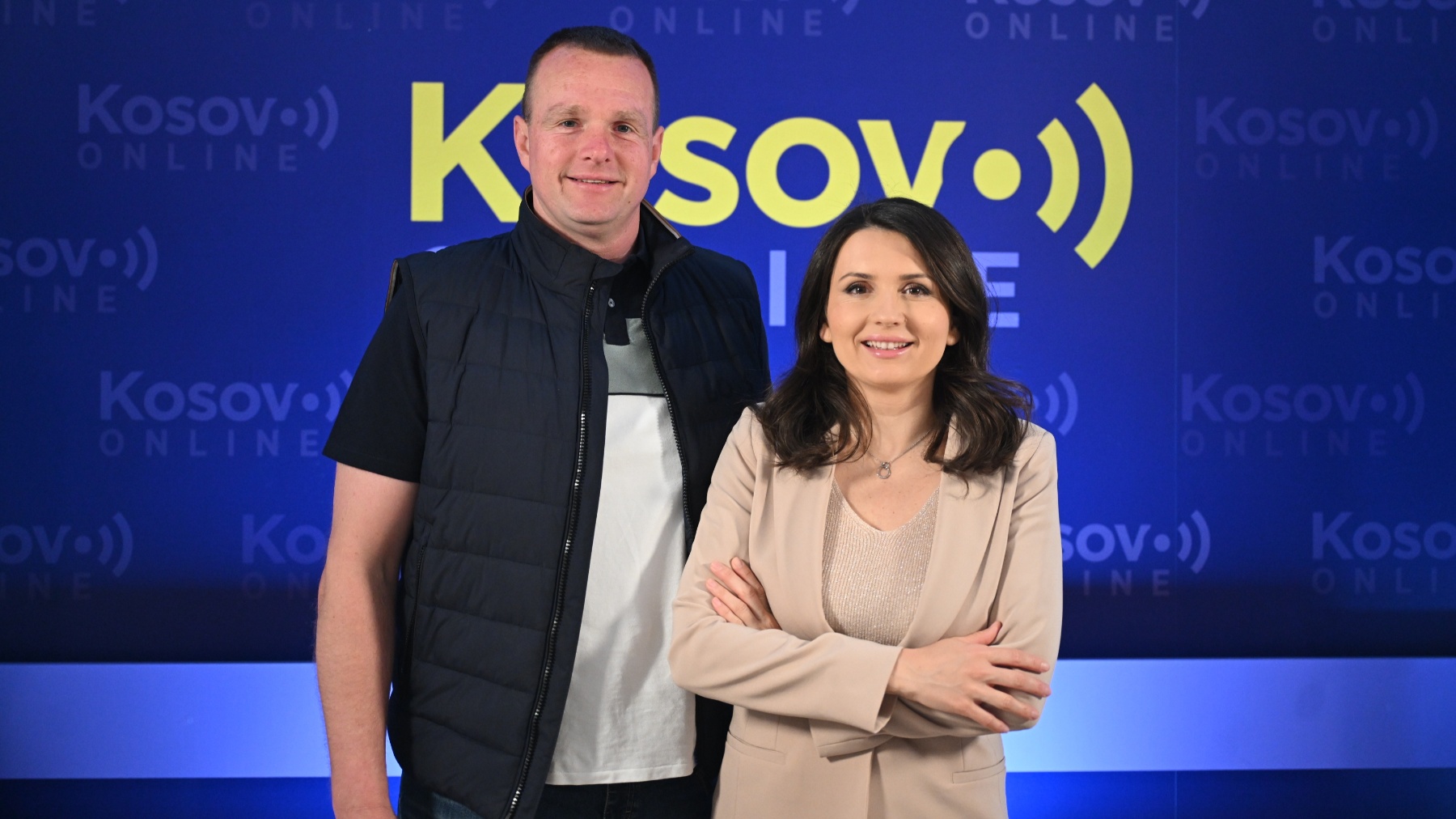
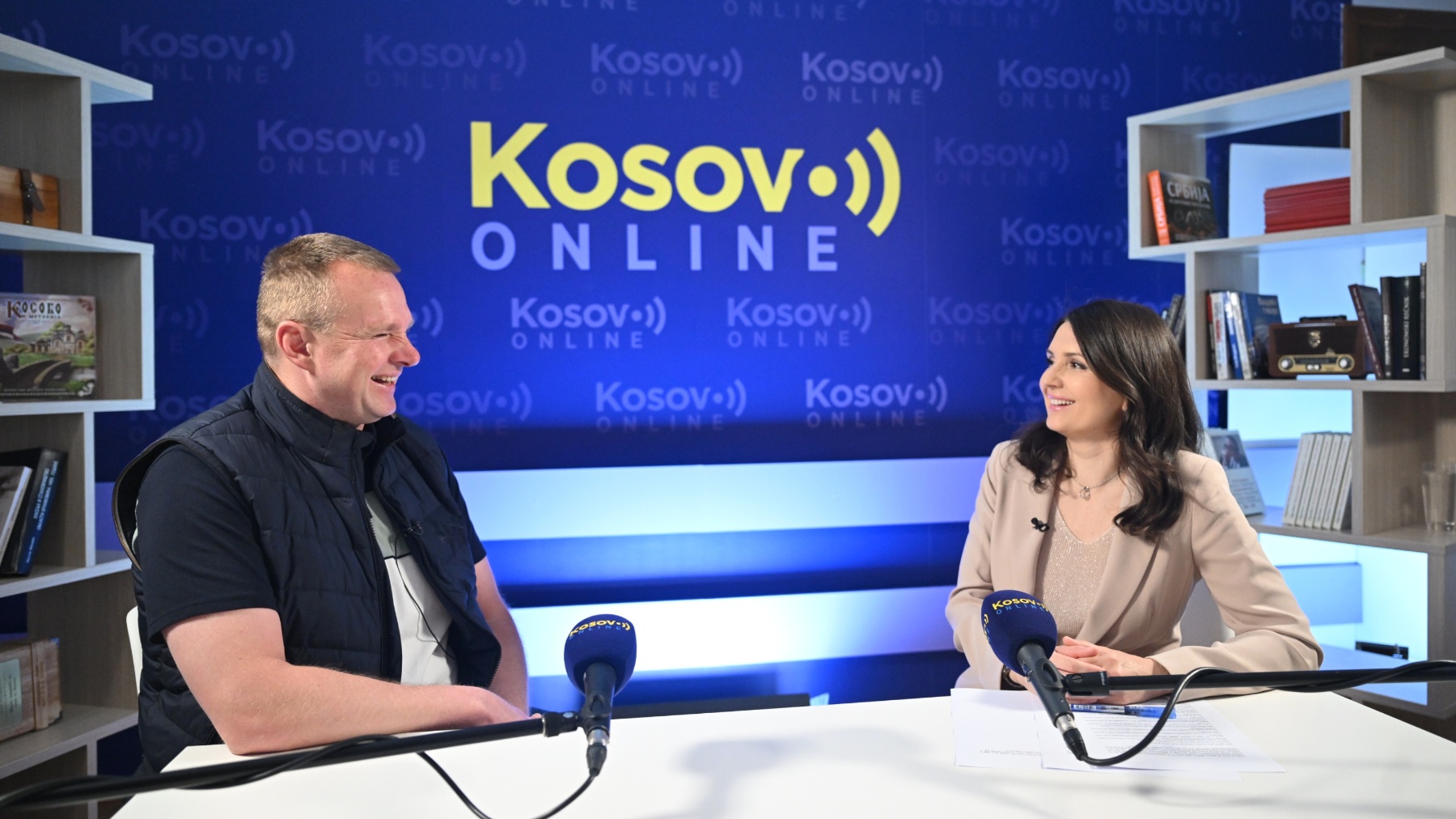
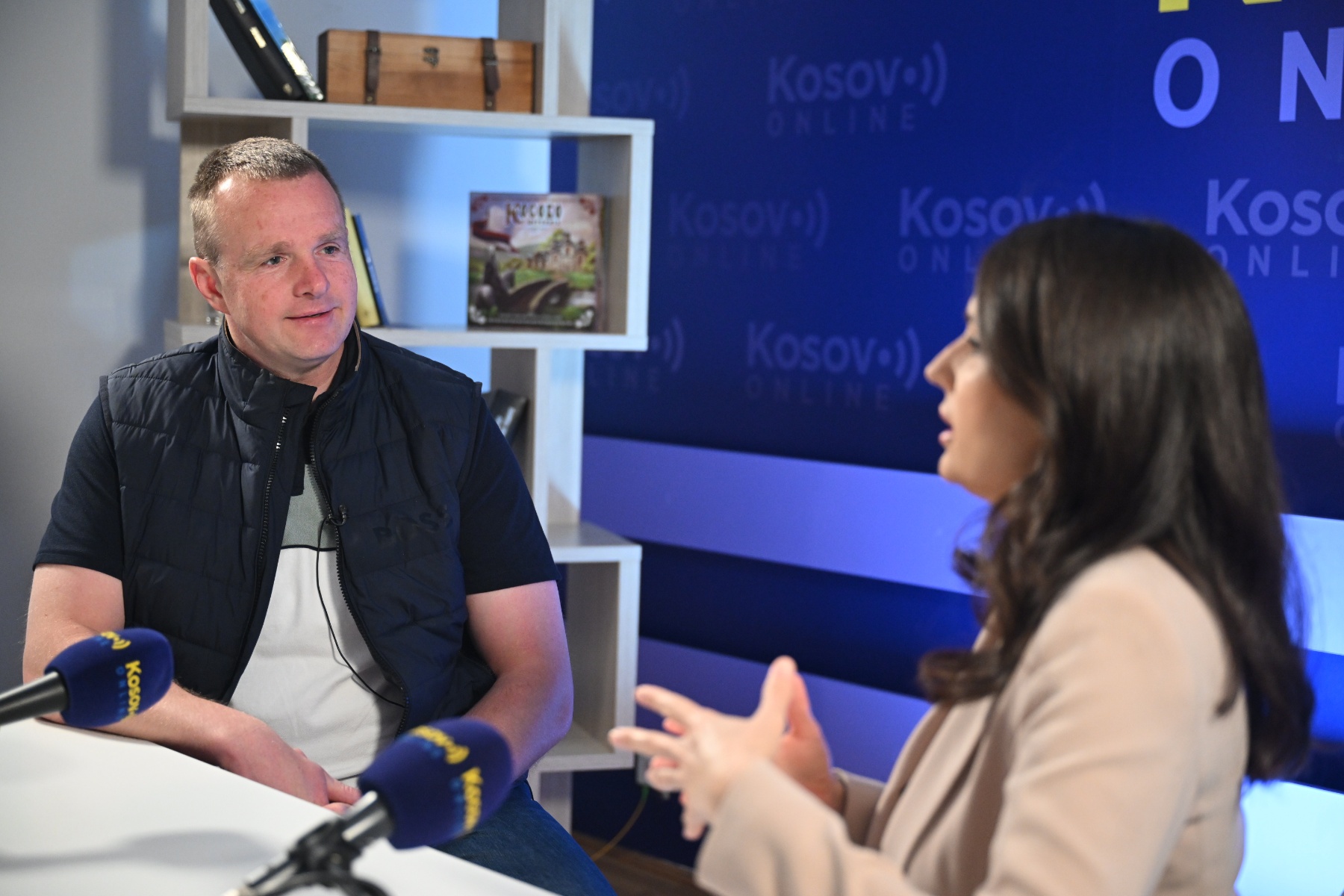
Six brave mothers, six children, and a lot of fear. That is what the first trip of elementary school students from Novi Sad to Strpce looked like eight years ago. Today, two buses set off on the journey, and the families who met back then now visit each other for patron saint celebrations, birthdays, and baptisms, said the president of the Citizens’ Association Novi Sad, Goran Bajsanski, in the KOntext podcast.
It has been almost three decades since an elementary or high school from Serbia last organized an excursion to Kosovo. Nevertheless, the connections between children have not been broken. Thanks to individuals and organizations, meetings between elementary school students from Novi Sad and Serbian enclaves have continued for more than a decade.
“It all started 12 years ago, when the idea emerged that children from the enclaves should not come to Novi Sad as tourists, but that we should connect them with the families of their peers. So, they would spend seven days living with children from Novi Sad, as if in their own home. Today it may seem simple, but 12 years ago bringing forty-five children from Strpce to Novi Sad was a major challenge,” Bajsanski says.
As he explains, at the time it was not easy either to organize the trip or to find schools and parents willing to participate in the project.
“First we had to convince schools and principals, then the parents. There was fear and uncertainty, people did not know what everything would look like,” he says.
From the idea to the first host families
The first to accept cooperation were the Novi Sad elementary schools “Dusan Radovic” and “Zarko Zrenjanin”, and Bajsanski says that parents gradually began supporting the idea more and more.
“We practically asked parents only to provide accommodation. The entire program was organized by us - from tours of Novi Sad, Sremski Karlovci, and Fruska Gora to creative workshops. What mattered most to us was that the children spent 24 hours together,” the KOntext guest says.
Many of the children left their hometowns and came to a larger city for the first time then.
“Most of them were separated from their parents for the first time, came to Novi Sad for the first time, and saw things that are ordinary for other children for the first time. It was important to us that exactly those children get the opportunity to take the first step,” Bajsanski explains.
He adds that shared experiences gradually created the strongest bonds.
“The point was not for them to come, tour the city, and return home. The point was for one child to live with another child, to wake up together, go to school together, spend time together, and get to know one another. Only later, when they grow up, do they realize how important that was,” Bajsanski emphasizes.
From six children to two buses
After several years during which children from Kosovo visited Novi Sad, the idea emerged to return the visit. Eight years ago, a small group of parents and children traveled to Strpce for the first time.
“There were six brave mothers and six children. Honestly, there was a great deal of uncertainty. We did not know what everything would look like, what awaited us, or how people would react. But we knew we were doing something good,” Bajsanski recalls.
He says that this visit changed the way many participants now view Kosovo.
“We all travel around Europe and the world, and everything seems big and important. But in Kosovo we saw greatness, not in kitsch, but in love and empathy. The hospitality of our people down there is enormous. It means a lot to them when someone comes to their house, sits down for coffee or lunch, when they see they have not been forgotten,” the trip organizer said.
Since then, interest has grown many times over.
“Now the question is no longer whether we are going, but whether we are traveling by a large or small bus. That makes us happy, because it means people have overcome their fear and want to see again the friends they met there,” Bajšanski says.
Gorazdevac through a child’s eyes
A recent visit to Gorazdevac and Velika Hoca, places many participants had never visited before, was particularly emotional, he says.
“In Gorazdevac they told us that children with parents from central Serbia had not visited in an organized way since the 1990s. Organizations and tourists came, but not families with children,” he points out.
He adds that many people in central Serbia know very little about the everyday life of Serbs in Kosovo and Metohija.
“Many are hearing for the first time about certain places, about events and tragedies that happened there. That is why our goal is for both children and adults to see Kosovo with their own eyes, to meet people, monasteries, villages, but also ordinary everyday life,” Bajsanski says.
According to him, the goal of the project was never for the trips to resemble classic school excursions.
“We do not want to be tourists. We want to connect families and friendships. We want people to go there just as they go to Tara or Kopaonik, to walk through Gracanica, Brezovica, or Gazimestan without fear,” he says.
He considers the project’s greatest success to be the fact that many acquaintanceships have grown into lasting friendships.
“Families now visit each other for patron saint celebrations, birthdays, and baptisms. Sometimes we even joke that we are jealous because they no longer invite us organizers, but each other instead. But that is exactly the point, for them to stay connected even after the project ends,” Bajsanski says.


A new project for high school students
In the meantime, the project has also expanded to high school students, so now students from Serbian communities in Kosovo are also coming to Novi Sad.
“Teenagers are a special group, and the approach to them has to be different. We adapt the program to their interests and age, but the goal remains the same - for them to meet, socialize, and stay connected,” the KOntext interviewee said.
Bajsanski admits that the project itself changed him as well.
“It changed me emotionally. Only when you go there, meet the people, and see how they live do you understand them differently. That is why I always appeal to people to go and see with their own eyes. There is life there, there is potential, and there are people who want to stay,” Bajsanski concluded.
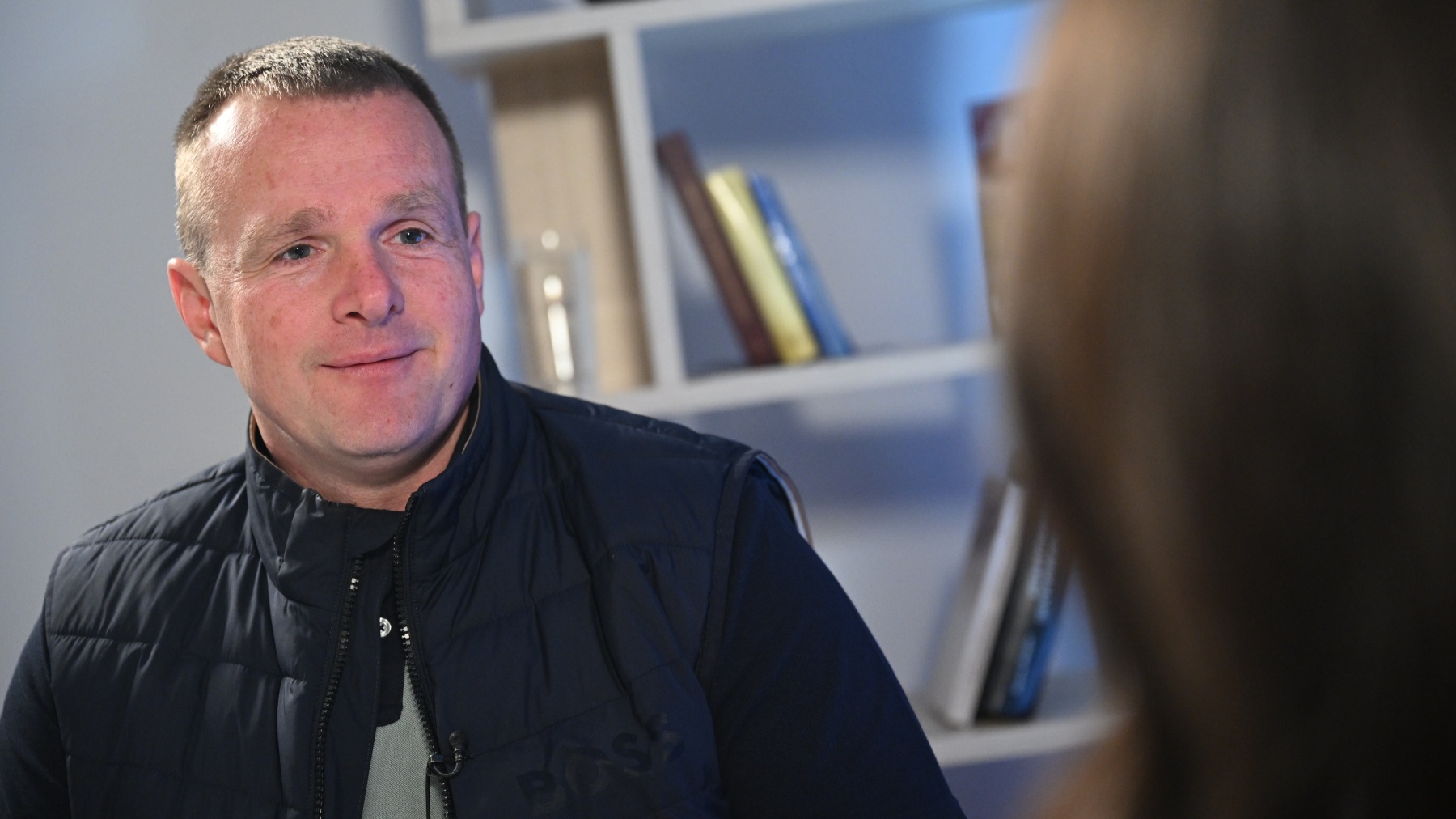
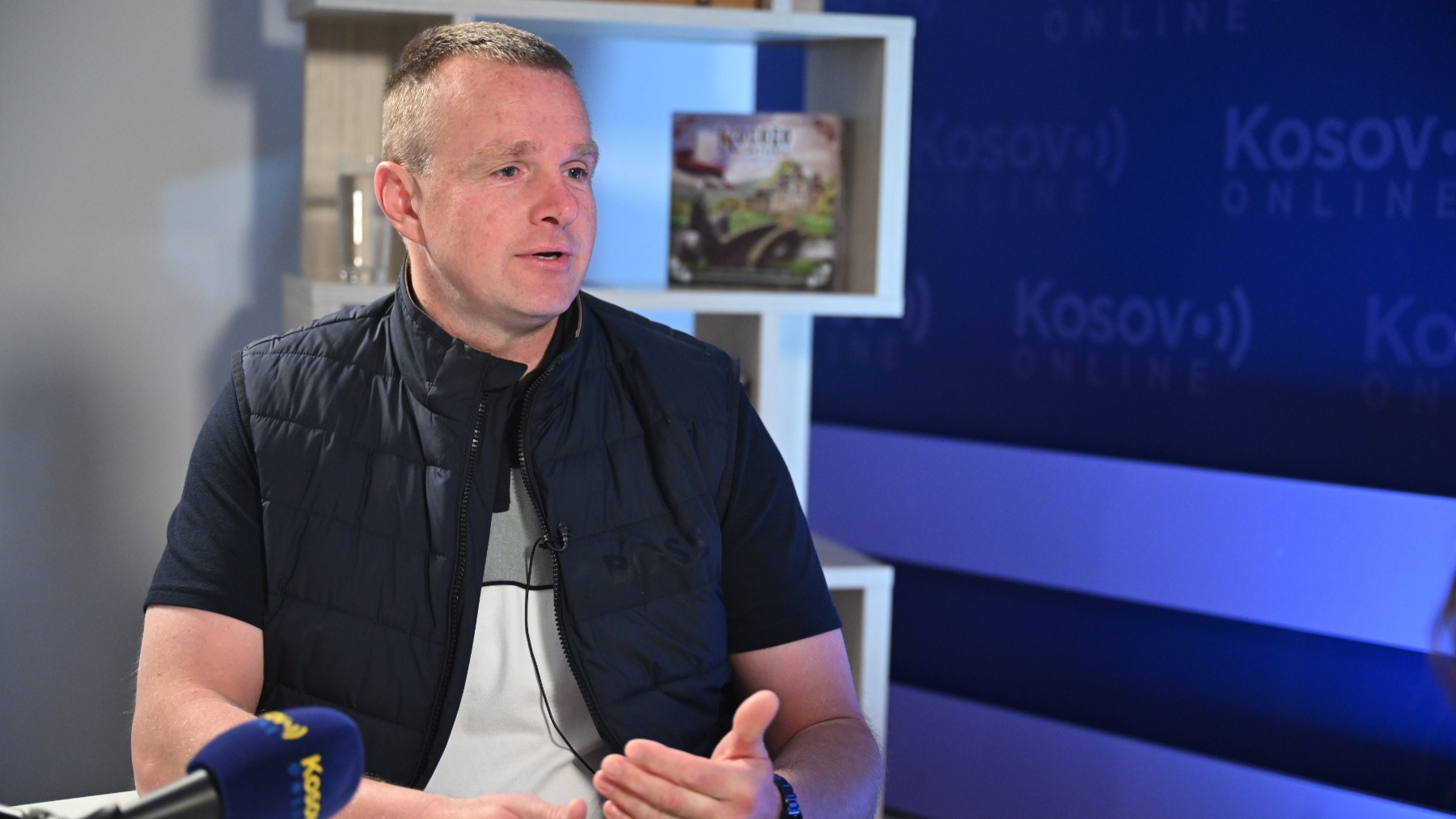
The full appearance of Goran Bajsanski in the KOntext podcast can be viewed in the accompanying video segment.



0 comments