
Blockade of goods, abolishing the dinar... Can the Kosovo economy survive without cooperation with the Serbian economy?
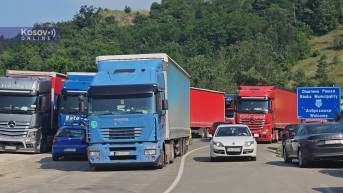
"In the current circumstances, after all the decisions and measures of Kurti's Government, there is no normal, stable, and predictable business environment in Kosovo. The income per capita is twice as low as in Serbia, so the prolonged blockade of economic cooperation, besides the political calculation to hinder the lives of the Serbs in Kosovo, also reflects the constant weakening of the living standards of the Albanians".
Edited by: Milos Garic
The Government of Albin Kurti in the past year has opened many fronts towards the state of Serbia and the Serbs in Kosovo, and one of the most drastic measures concerns the severing of all economic ties with the Serbian economy, which, as its culmination, has now resulted in the decision to abolish payment transactions and ban the use of the dinar.
It is clear that there are no logical explanations and a noticeable absence of any good intentions in such actions by the Kosovo authorities, but what is particularly striking is the significant damage that Pristina is consciously causing to the entire economy in Kosovo in this way, which is already at very low levels, and thus to the Albanians themselves.
According to the data from the Republic Statistical Office of Serbia, during 2022, just before the aggressive measures of Kurti's Government towards the Serbs in northern Kosovo, despite political tensions at that time, there was significant trade with Kosovo companies amounting to about half a billion euros. Data from the Serbian Chamber of Commerce show that in that period, the value of Serbian goods sent to Kosovo amounted to 467.3 million euros, and in the opposite direction, goods worth 61.7 million euros arrived. On the other hand, data from Kosovo indicate that in 2022, goods worth 371.6 million euros arrived from Serbia, while goods worth 60.7 million euros were exported from Kosovo to Serbia.
Instead of further progress in cooperation, as the Open Balkan concept offers, in which Pristina refuses to participate, economic relations have been completely halted and blocked by political decisions of the authorities in Pristina, with the apparent idea of making life for the Serbs more difficult and ultimately preventing them from living in Kosovo.
Economists in Pristina warn that the interruption of economic ties is wrong and bad, but they also find explanations for such economic policy by Pristina.
The market economy, but
Agim Shahini, President of the Kosovo Business Alliance, recalls that during the year 2017, when a 100% tariff was imposed on Serbian products, "everything developed normally for 18 months without Serbian products".
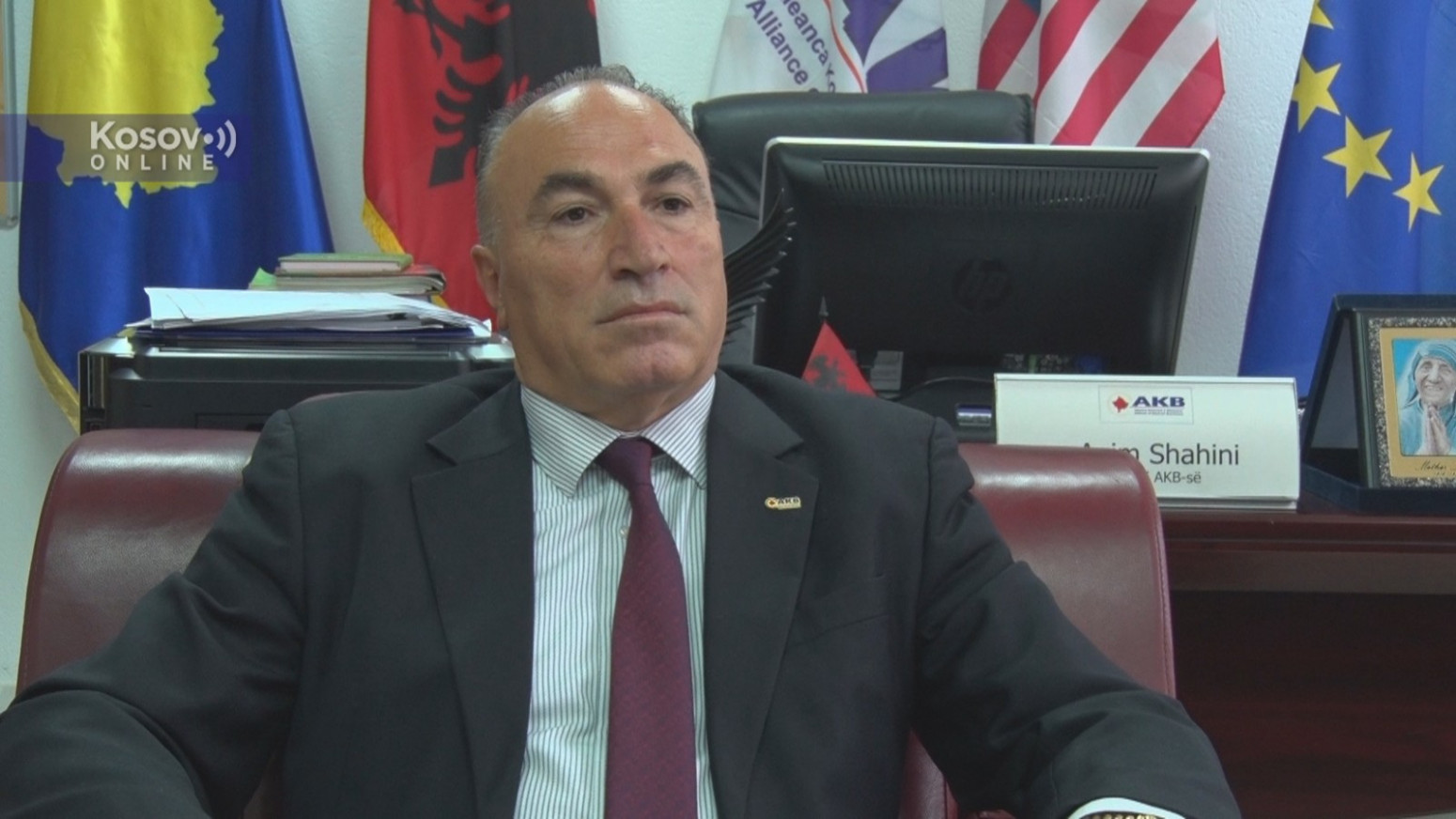
"However, under normal conditions, there should be Serbian products in Kosovo, and vice versa, Serbia should have Kosovo products. I think both sides should look at how to develop the economy, rather than thinking if they can exist without each other because we are small in the global economy. Only together can all Balkan countries be stronger than the global economy, which is strong competition in the Balkans, and every day, the global economy undermines the Balkan economy, especially Kosovo, Serbia, Albania, Macedonia, and all others. Collaboration is essential; work and cooperate. It's important not to have open issues between us. Politicians need to realize once and for all that the economy cannot progress with obstacles; we can only move goods, capital, and people together without any conditions," Shahini says for Kosovo Online.
Economic expert from Pristina Mustafa Kadriaj points out to Kosovo Online that Serbia has exported many products to Kosovo in the previous period, despite the denial of Kosovo’s statehood.
"In principle, Kosovo is oriented towards a market economy and should be open to cooperation, regardless of the known political problems. Kosovo has been open to economic cooperation, and Serbia has actually exported many products to Kosovo. However, in a market economy, you freely collaborate where you see economic interests, as a business and as a state. Thus, no country can dictate or block another, in this case, Serbia cannot block Kosovo, and vice versa. Borders and markets are open, so any attempt to block another country is an economic boomerang for the country trying to impose barriers," Kadriaj believes.
He adds that there should be economic cooperation with full economic and political reciprocity.
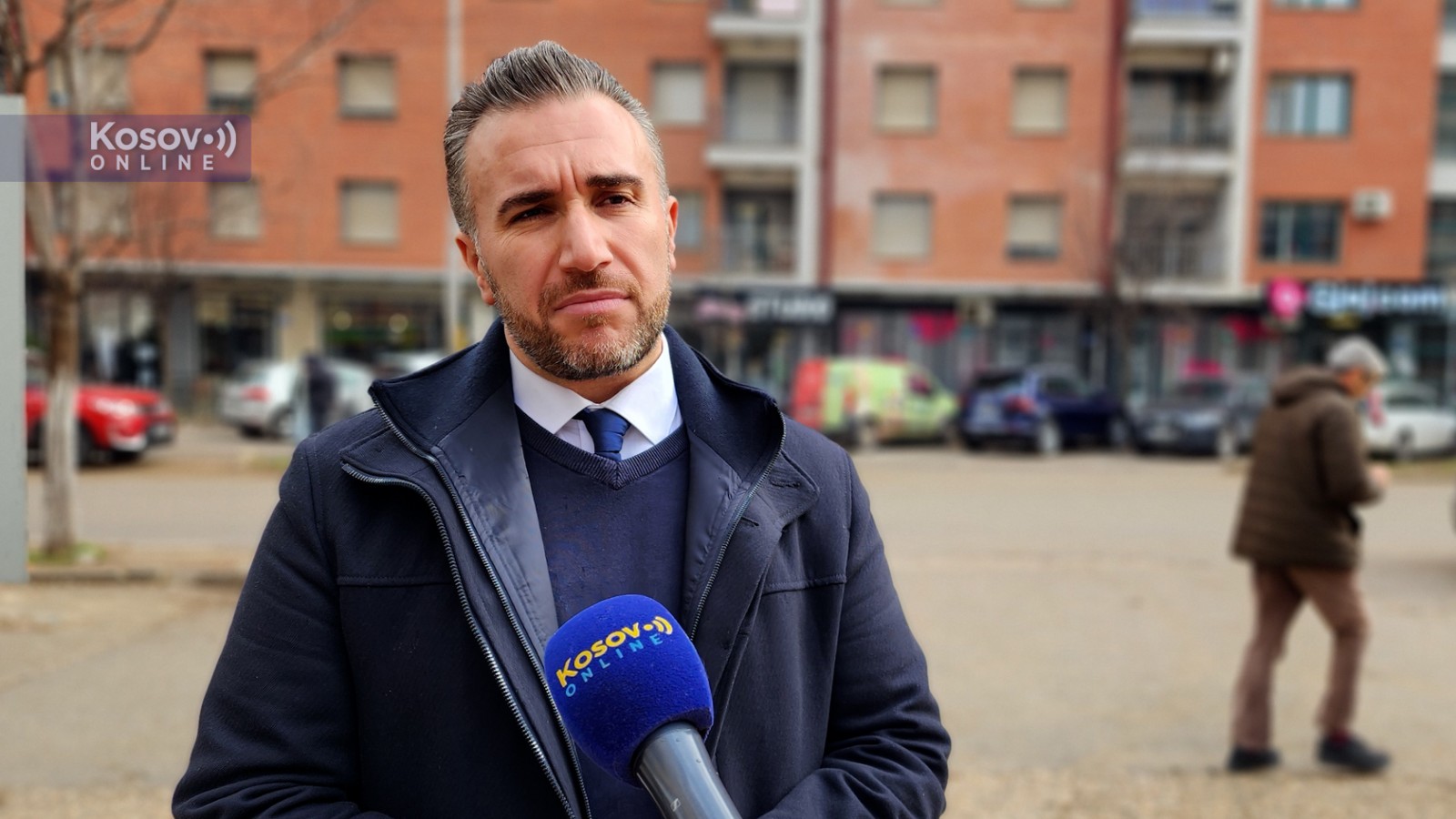
"To be fair, Serbia exported to Kosovo, but on the other hand, it did not recognize the state of Kosovo, and even more, it did not allow goods from Kosovo to enter Serbia, so that is a fact. With this logic, money cannot flow. In this case, the situation in the region, Kosovo, and Serbia must be viewed from an economic perspective, giving space for companies and citizens to move freely. In conclusion, if Serbia does not change its approach to Kosovo, it should be clear that Kosovo can change its economic partners. Now, as we speak, we have significant losses precisely as a result of Serbia's unfair behavior," Mustafa Kadriaj emphasized.
Greater damage to Kosovo
Bojan Stanic, Assistant Director of the Sector for Strategic Analysis at the Chamber of Commerce of Serbia, points out that the negative impact of the ban on the import of products from Serbia to Kosovo is much more reflected in the Kosovo economy than in Serbian.
Stanic, for Kosovo Online, emphasizes that the Kosovo economy is, structurally speaking, "fragile and brittle", and consequently, it is sensitive to all external shocks.
"Therefore, all measures taken by Pristina further increase the distrust of investors, both foreign and domestic, and block economic and business progress. Starting from the fact that, for example, Kosovo still does not have a credit rating, these rating agencies have not evaluated the credit rating of Kosovo at all. This means that this territory is highly risky for foreign investments. On the other hand, it is risky regarding the investments of domestic citizens who live there. Thirdly, all these political crises, disagreements between Belgrade and Pristina, the ban on the import of goods from Serbia, all this simply affects the fact that investor confidence remains at a very low level," Stanic points out.
Regarding the current state of the economy in Kosovo, Stanic confirms that it has reached growth rates of around three to four percent this and last year, as estimated by international financial institutions. However, he explains that these figures do not mean much when considering that the starting point, the "economic base", is very low and undeveloped.
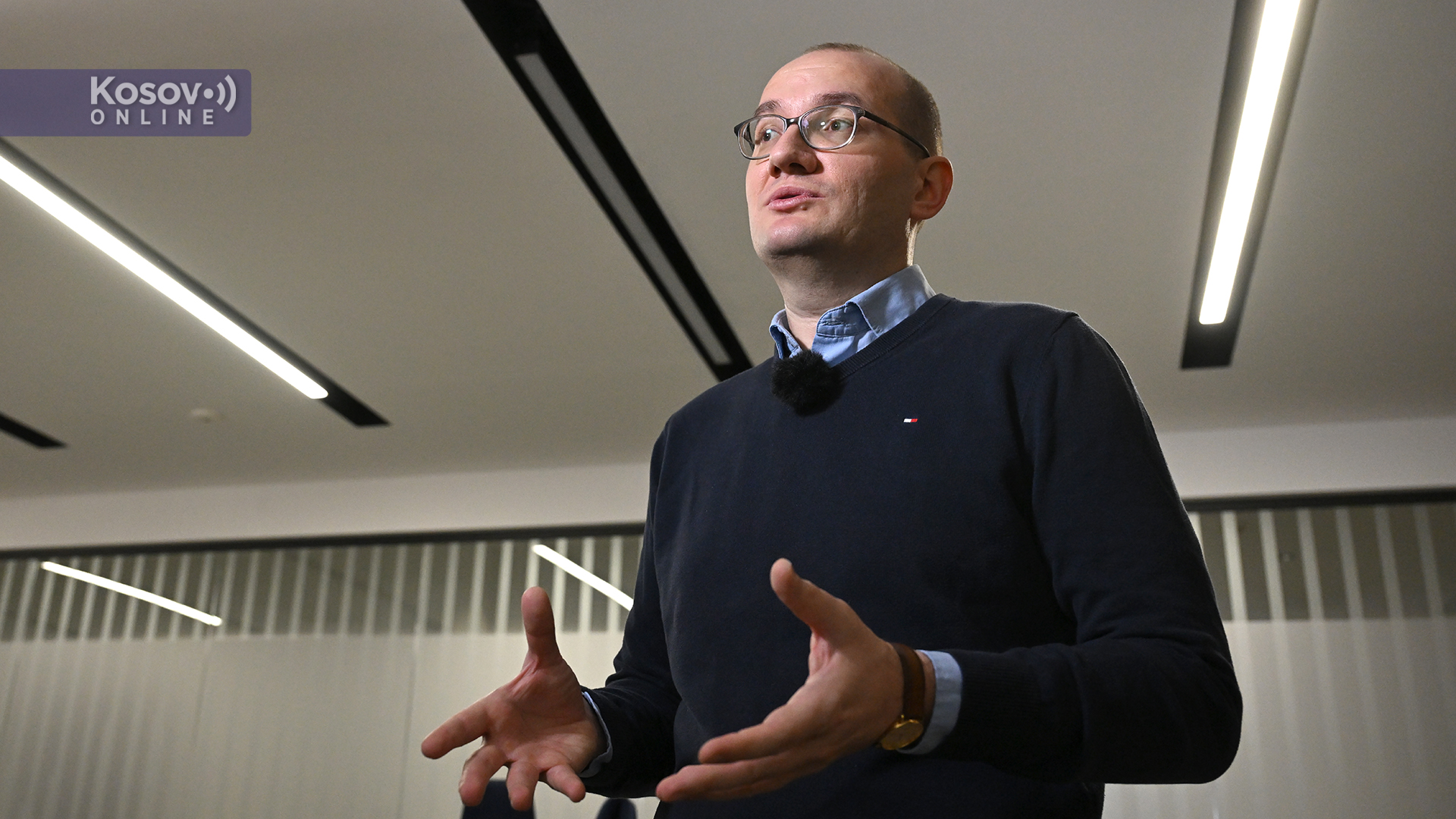
"Specifically, the estimate for 2023 is 3.4 percent, and for 2024, it is 3.9 percent. These are relatively good growth rates. However, when you consider that the economic base in Kosovo is very small, these growth rates in absolute numbers do not mean much. It is certainly good that there is growth, but the fact is that it is mostly based on increased exploitation of natural resources or a potential increase in salaries in the public sector, rather than on the vitality of the economy and companies themselves," Stanic explains.
When purchasing power increases, it affects business people as well, but in this specific case, when comparing per capita income (GDP) in Kosovo during 2022, it was twice as low as in Serbia.
Stanic emphasizes that the ban on importing goods from Serbia has the greatest impact on citizens who have to buy goods that are weaker in terms of quality-price ratio and less competitive than goods coming from Serbia.
Therefore, he notes, they had to pay more to secure their households.
Regarding business owners themselves, Stanic states that the impact is smaller than on citizens because the measure of the ban on importing goods from Serbia was later revised, meaning the import of raw materials and certain semi-finished products used for processing and production was not restricted, only final products.
"At this point, we can only estimate the damage from the ban on importing goods from Serbia, but for them, in that relative sense, the damage is more significant than for the Serbian economy. The main message is that in Kosovo, you cannot have a normal, stable, and predictable situation for business. This policy indicates that trade is uncertain, and many of our producers who considered Kosovo as one of the significant markets where they export goods have decided to find other markets, place that part in the region and meet the needs of the domestic market," Stanic points out.
Poor prospects
The perspective for further development of relations and economic cooperation between the two sides, he assesses, is very bleak. He expressed hope that further negotiations, political decisions, and solutions would contribute to easing conditions for trade.
"The Serbian Chamber of Commerce and Industry has excellent cooperation with the Kosovo Chamber of Commerce and Industry, and together they have formed the Chamber Investment Forum to elevate cooperation to a higher level. So, this is a group that brings together all the chambers of the Western Balkans or businessmen. When this crisis started and the ban on goods in Kosovo from Serbia, the Kosovo Chamber of Commerce and Industry stepped forward and emphasized that this was not good for the economy and that solutions needed to be found for sustainable relations. Their reactions were absolutely critical of the government, and this is best demonstrated by the gradual lifting of what is banned for import, i.e., raw materials and semi-finished products used for processing," Stanic stated.


0 comments