
Djurdjevic: Security is the key to the economic framework in the region
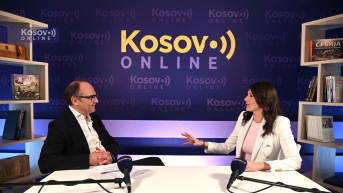
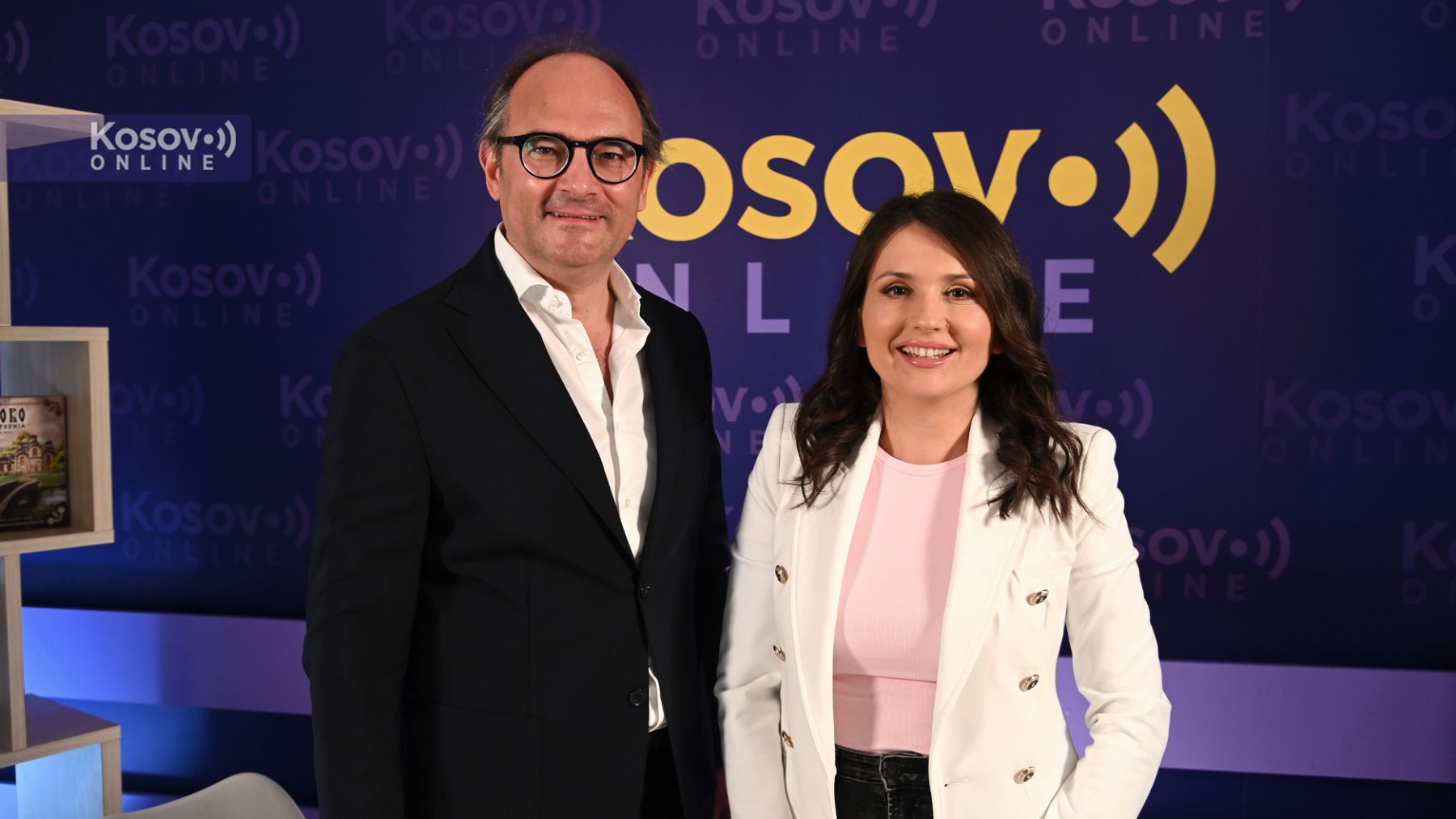
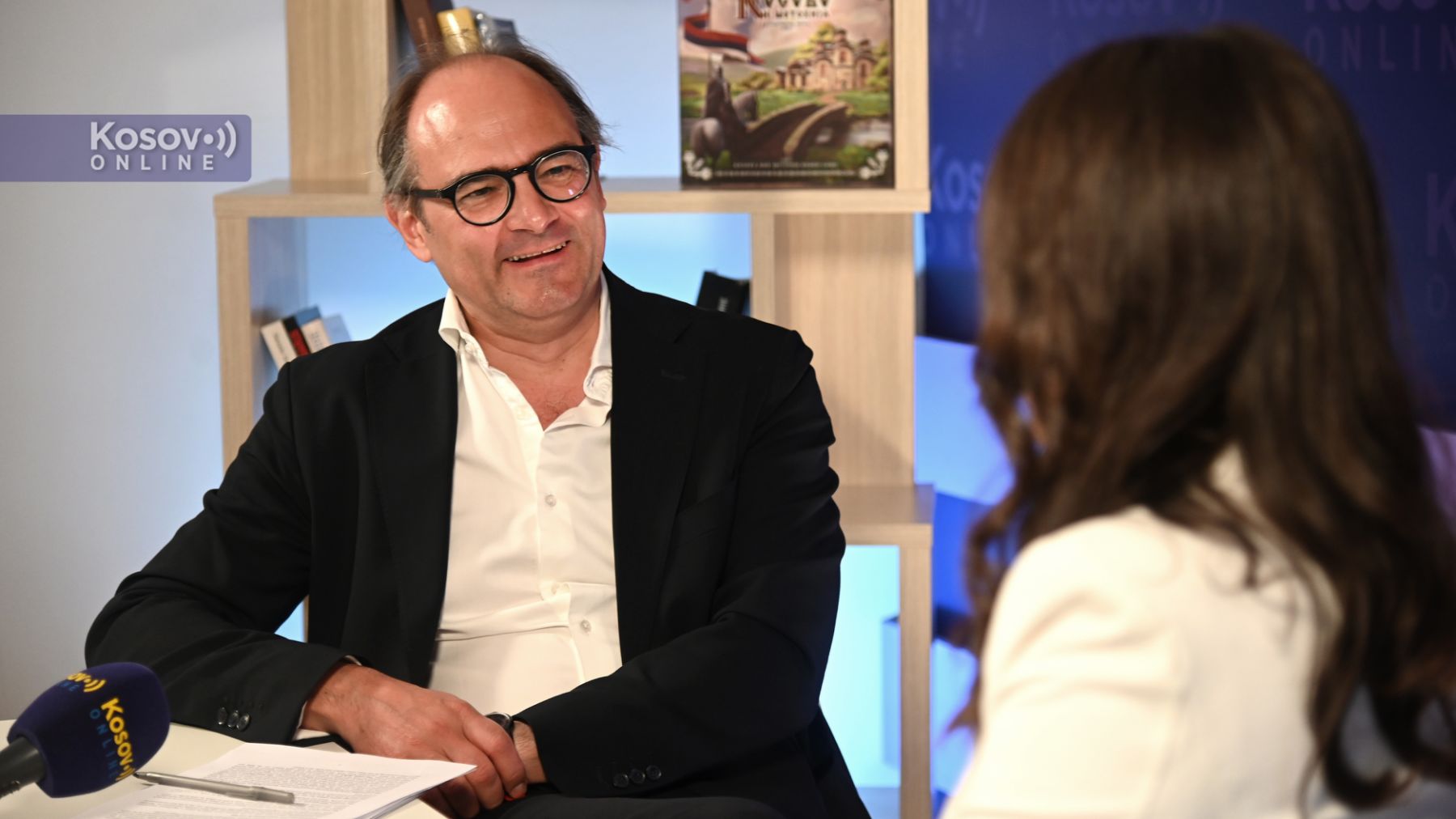
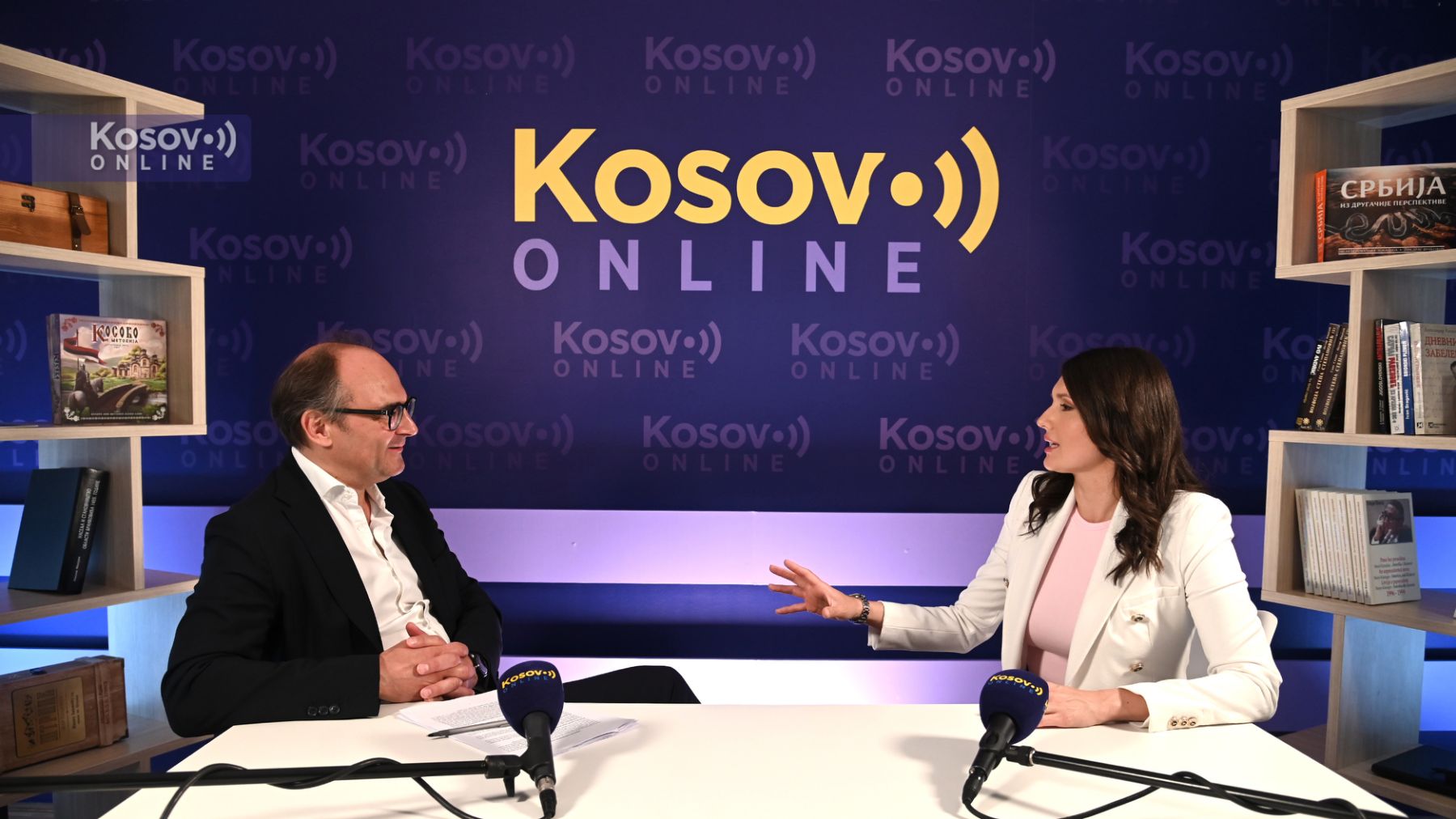
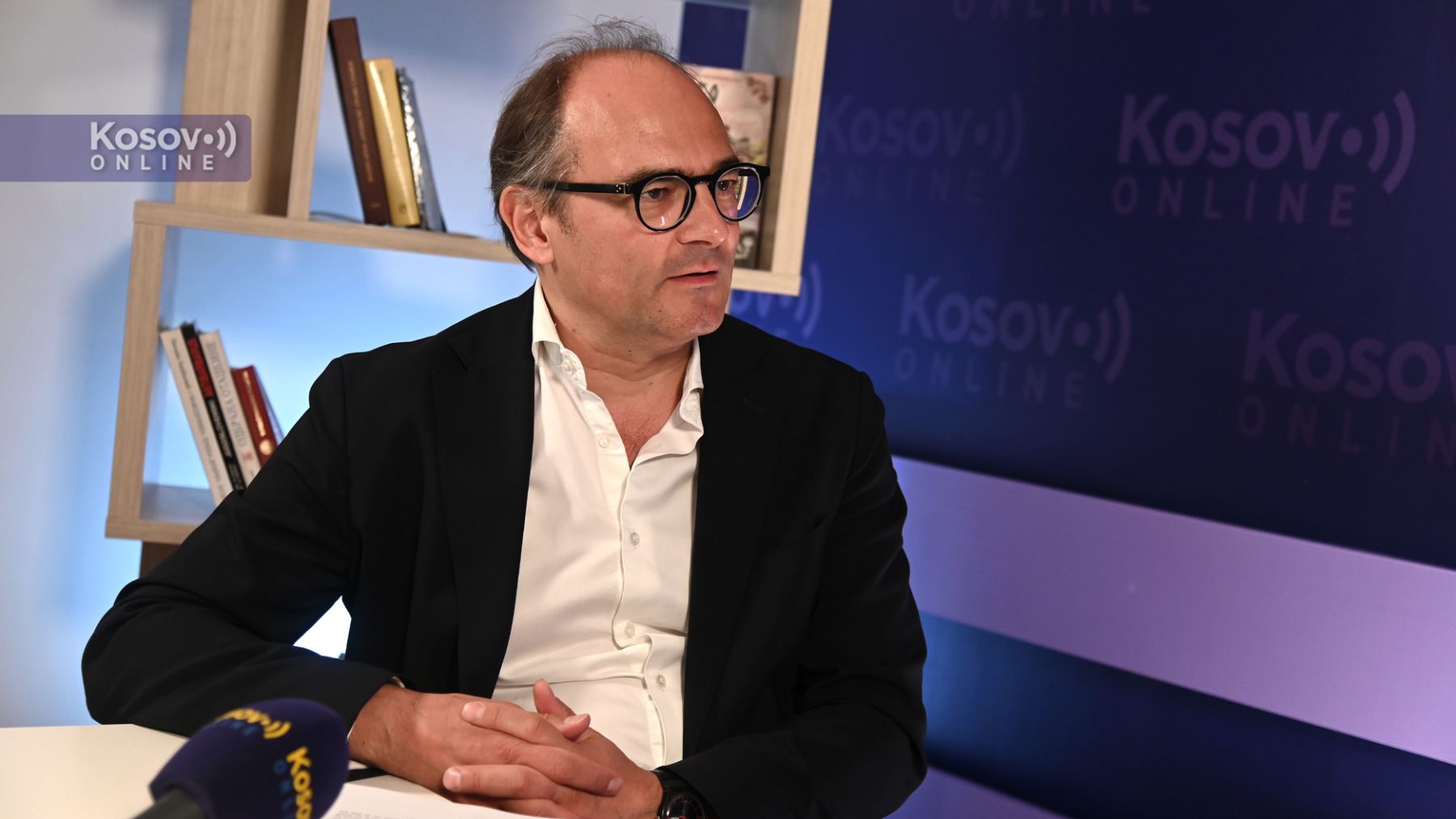
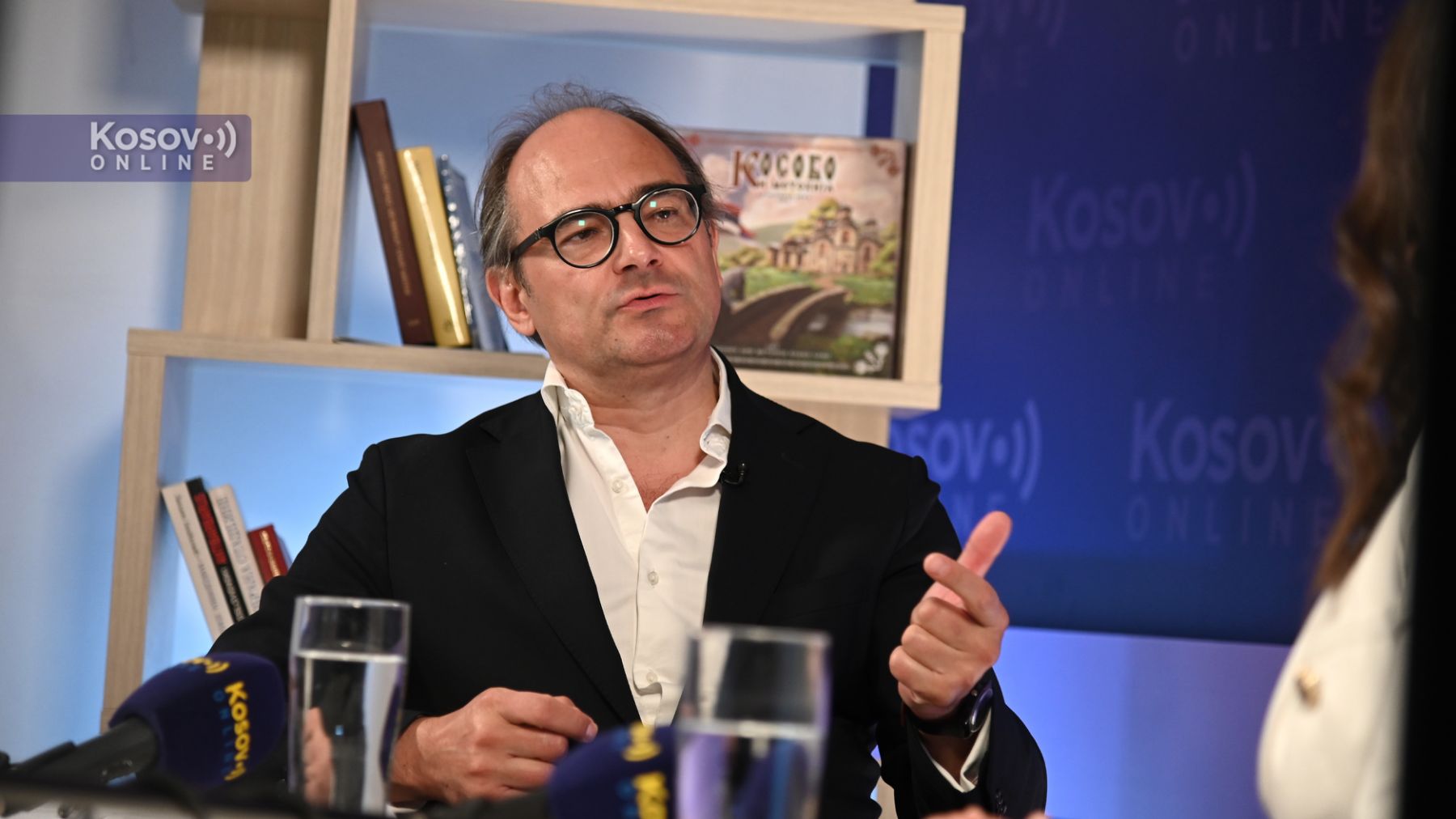
“We have no solutions for the long-term development of societies in the region that would allow us to maintain our population levels. The result of all the blockades and political disagreements is mass emigration. People are leaving Kosovo and Albania, not to mention Bosnia and Herzegovina. But few people involved in politics in our region actually see this,” said Nenad Djurdjevic, advisor to the President of the Chamber of Commerce of Serbia, in the podcast KOntext.
Compared to the initial enthusiasm in the Belgrade–Pristina dialogue, he says, the situation is much more difficult today. He assesses that business is being conducted in an atmosphere of small steps—and even those are hard.
“We are moving backwards, discussing trivial matters like milk distribution or the fact that goods cannot be placed on the market due to some labeling issue. We're talking about whether or not we recognize diplomas. This hampers daily functioning and makes citizens feel like there is no future in the region where they live. We can't even agree on labels so that Pec beer can be sold in stores—at least symbolically—or wine from Decani that has been legally imported. We do have it, but it comes through alternative channels,” said the guest on KOntext.
He noted that the chambers of commerce in Belgrade and Pristina have much better communication than politicians and institutions.
“It is encouraging that envoy Peter Sørensen had a meeting with the Chamber of Commerce of Serbia. We shared our ideas with him—ideas we had also discussed with Lajčák—about creating an initiative within the dialogue that would deal exclusively with economic issues. I think this was received positively,” Djurdjevic said.
He believes that the prerequisite for economic development is security.
“The security framework in the Balkans, and therefore between Belgrade and Pristina, is extremely important—from information sharing to how to ensure the safety of Serbs. Whether this is through the Community of Serb-majority Municipalities (CSM) or another model, it doesn’t matter. What matters is achieving maximum protection for the Serbian community, preserving identity, ensuring education and healthcare, and then comes the economy. Trust is hard to build. Back in 2017, before the introduction of 100% tariffs, we had companies interested in investing in production in Kosovo. Now, that’s unthinkable,” he emphasized.


He also stressed the importance of regional cooperation through numerous initiatives, particularly the CEFTA agreement, which governs free trade. However, he is discouraged by the fact that the agreement has not been fully implemented for years. One example of violation is the ban on Serbian goods entering Kosovo, followed by limited placement through a single border crossing.
“This also breaches the Growth Plan for the Western Balkans, as the Merdare crossing was designated for green corridors, meant to serve as an example of expedited goods movement—but that’s not the case in practice. A slower work rhythm has been introduced, with shorter working hours, and the crossing doesn’t operate at all on weekends. This leads to truck queues, fewer drivers willing to take these routes, and higher costs, which in turn affects product prices. All of this creates an unfavorable atmosphere for regional relations,” Djurdjevic stated.
He concluded that the potential for cooperation would be much greater if a truly unified market existed.


comments