
Jonathan Moore: The path to a better status for Kosovo lies in improved Belgrade–Pristina relations
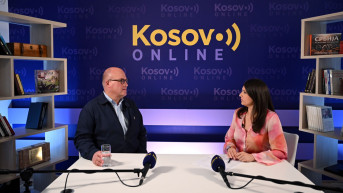
There is a mathematical formula for forming a new government in Kosovo. But political reality tells us there is no chance for a coalition between PDK, LDK, AAK, and the Serb List, even though there are many pragmatic people in those parties. Forming a coalition in politics is not simple, but after several months, it is high time to decide – either a new government or new elections. The question is whether new elections would even contribute to stability in Kosovo, retired US diplomat Jonathan Moore said on the KOntext podcast.
He notes that Albin Kurti has lost the trust of the international community and Washington.
“Former US Ambassador to Pristina Jeffrey Hovenier is someone who knows Kosovo and the Balkans very well and could have done many useful things had Kurti not created obstacles and stalled progress on many levels. Not only does he reject better relations with Belgrade and disregard agreements reached in the dialogue, but he also disrespects his fellow citizens, regardless of their ethnicity,” Moore said.
The former US diplomat believes that the essence of normalizing Belgrade–Pristina relations is not mutual recognition.
“With Kurti, there is only empty rhetoric and promises that Kosovo will become a member of some international organizations, but there are no results. I regret that there is this current obsession with who recognizes Kosovo, counting the countries that have done so. That is not what matters. If Kosovo wants EU membership, it must be recognized by all EU member states. The same goes for NATO. Still, the path to a better status for Kosovo is through improved Belgrade-Pristina relations,” Moore said on KOntext.
He said those relations should be supported by EU special envoy for dialogue Peter Sorensen, whom Jonathan Moore has known for three decades. He described Sorensen as experienced and capable, but warned that without a new government in Pristina, no one should expect major progress in the dialogue.
“Forming the Community of Serb Municipalities would be a positive signal and proof that Pristina respects its citizens and the position of the international community. It would mean the government is open to all citizens, including Serbs. It is high time for that. Not everything can be resolved at once, but every step matters,” the former diplomat said.
He expects Serbs to participate in the upcoming local elections so that they can have their own mayors, citing the American saying, “All politics is local.”
Jonathan Moore is one of the diplomats who recognized Ibrahim Rugova as the leader of Kosovo Albanians at a time when many preferred Hashim Thaci. In KOntext, he recalls welcoming Rugova at the airport in 1994, when Rugova first arrived in Washington as the head of the Democratic League of Kosovo.
“That was my media debut. On the front page of the Albanian diaspora’s newspaper was my photo and the question: ‘Who is this Jonathan Moore with Rugova?’ I still deeply respect him. He was a true statesman who sought greater rights and independence for Kosovo through practical, statesmanlike means, without violence. That lasted until the late 1990s, when the situation drastically changed,” Moore said.
Observers consider him one of the key figures in the formation of the Kosovo Specialist Chambers for KLA war crimes, although Moore believes the credit doesn’t belong to him alone.
“I came at the time with various messages from the US government. The message had to be strong and clear: the court could not be in Kosovo, primarily for the protection and safety of witnesses, due to the pressure they could face. But also due to international attention, the court had to be in The Hague. I don’t follow the trials, but I hope justice will be served and that we will better understand what happened in Kosovo,” the former State Department official concluded.
Speaking on KOntext, he said the greatest success of the Americanization of the Balkans is the absence of war, though the region still faces many problems. He dismissed the idea that Washington has forgotten the Balkans, although he admitted that the US has now shifted its attention to Ukraine, Russia, Israel, Gaza... He jokingly remarked that America is now experiencing “Balkanization”, with too much harsh rhetoric and division, and too few results, much like the Balkans.
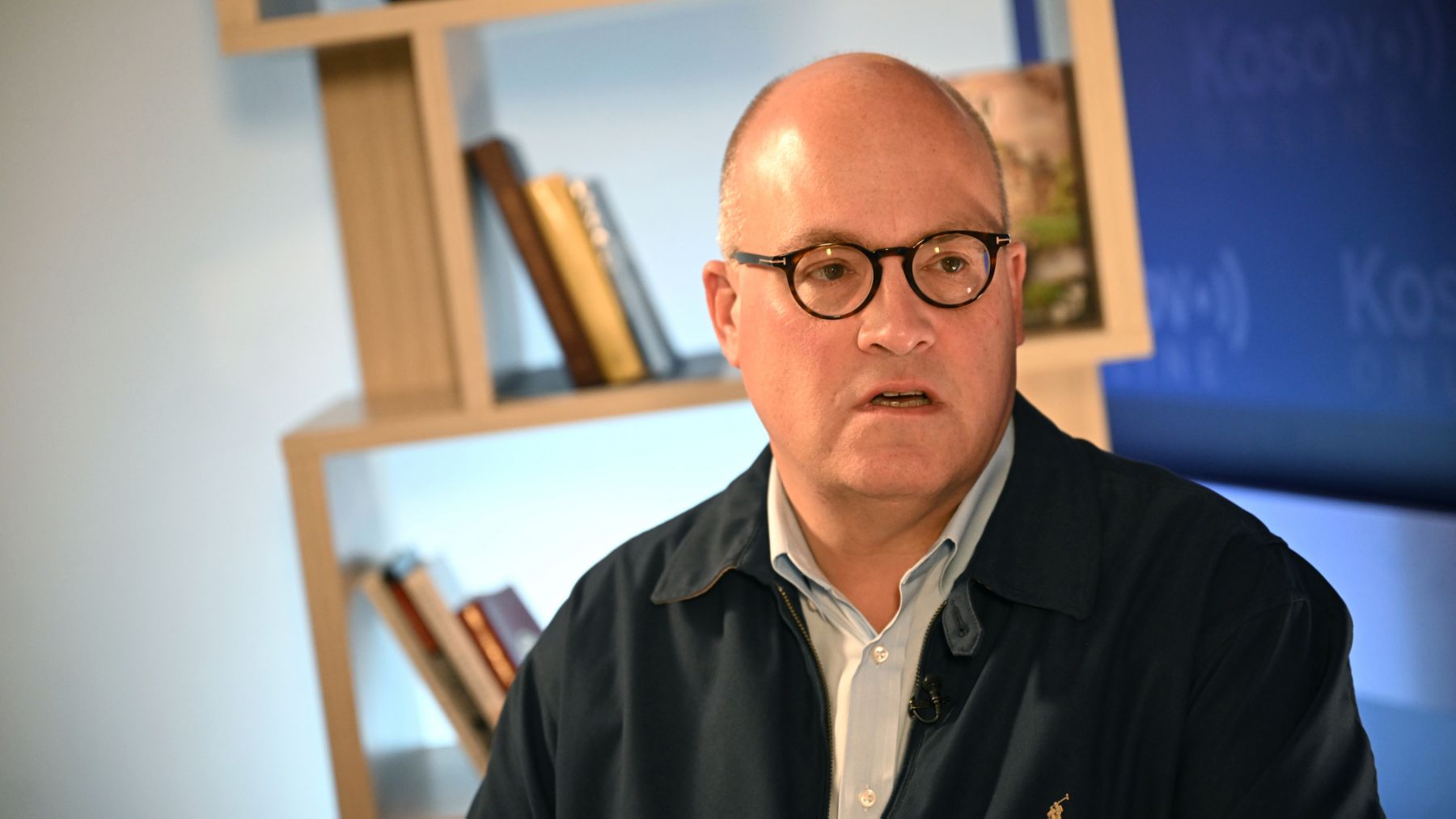
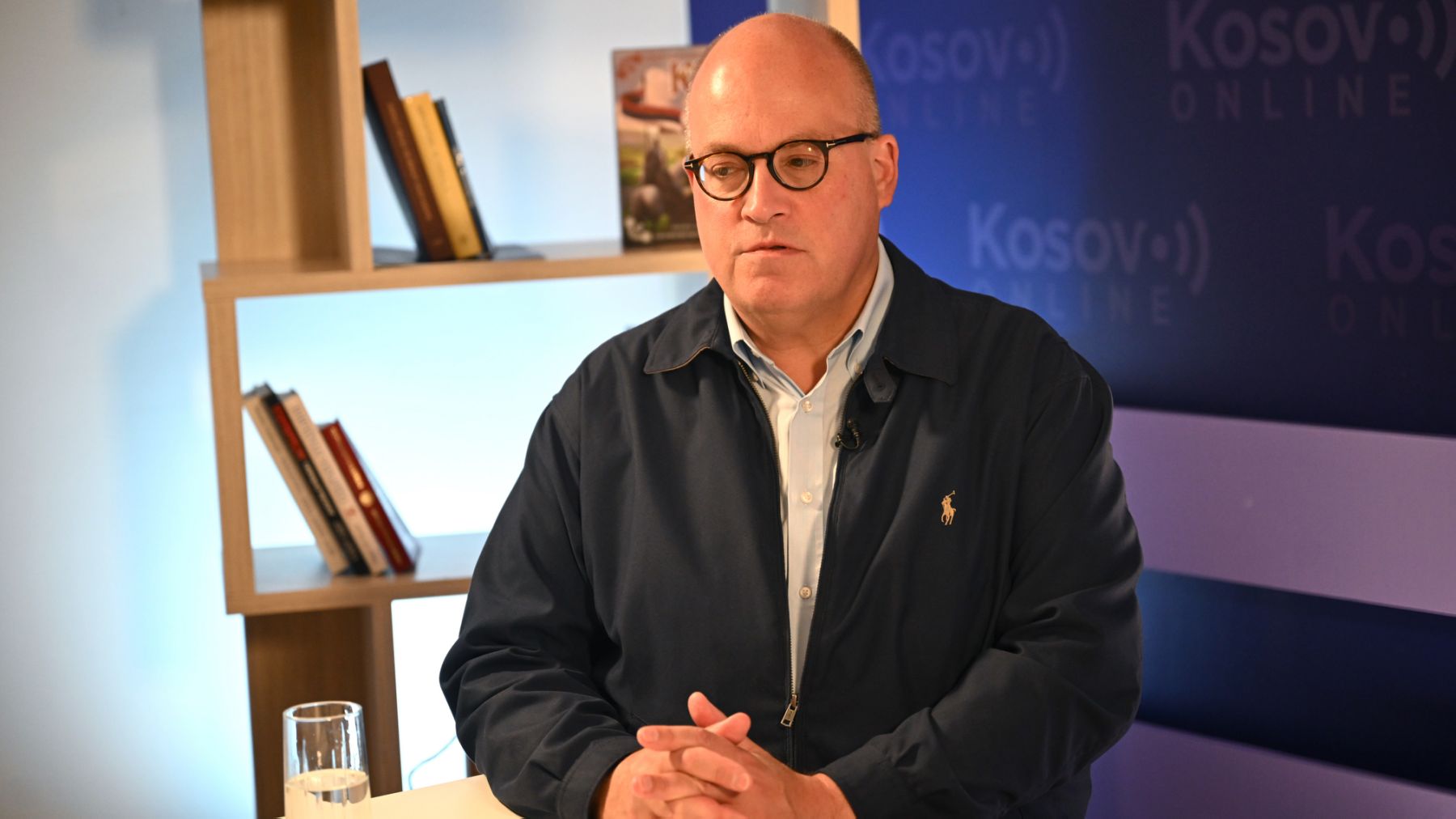
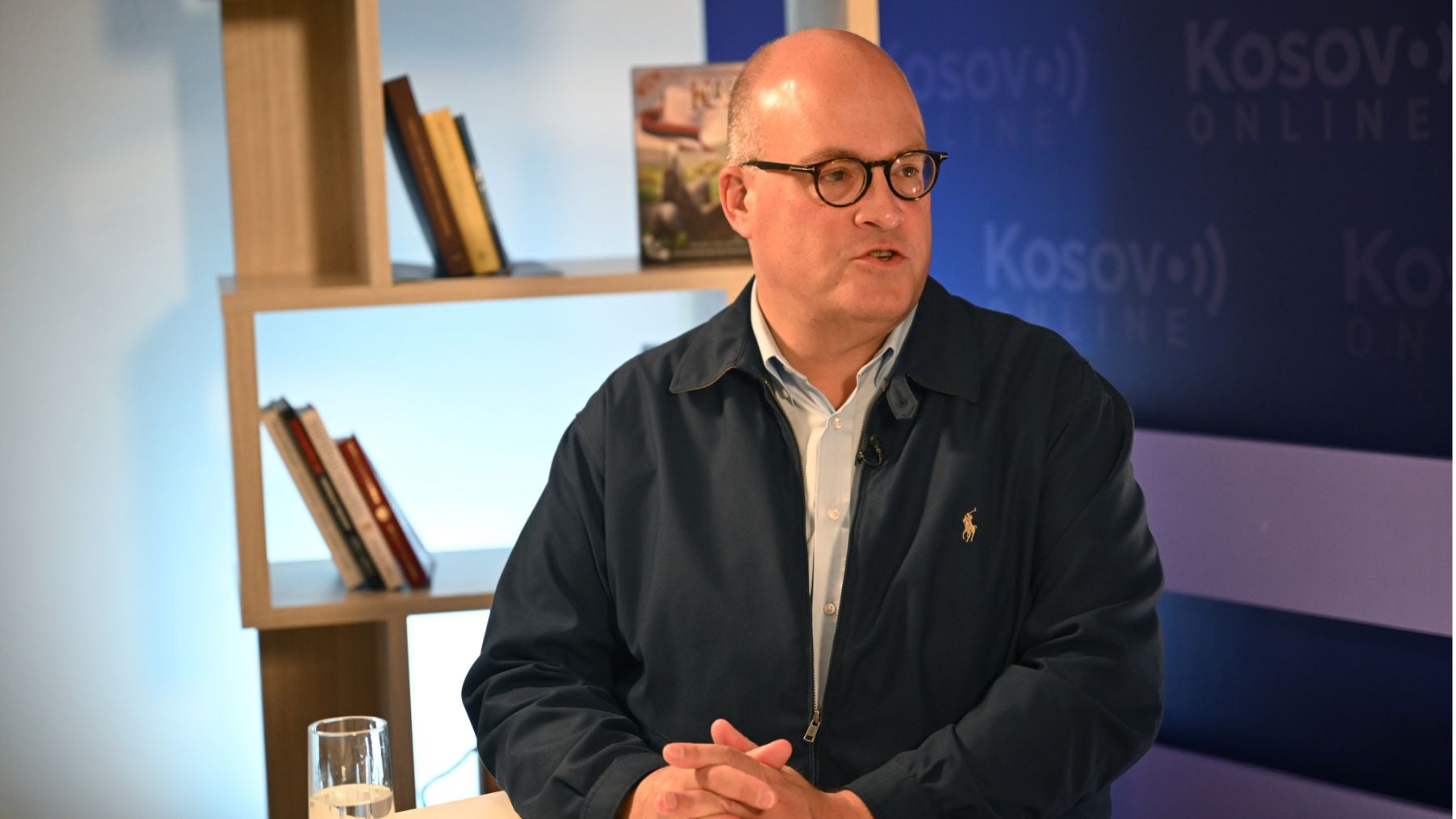
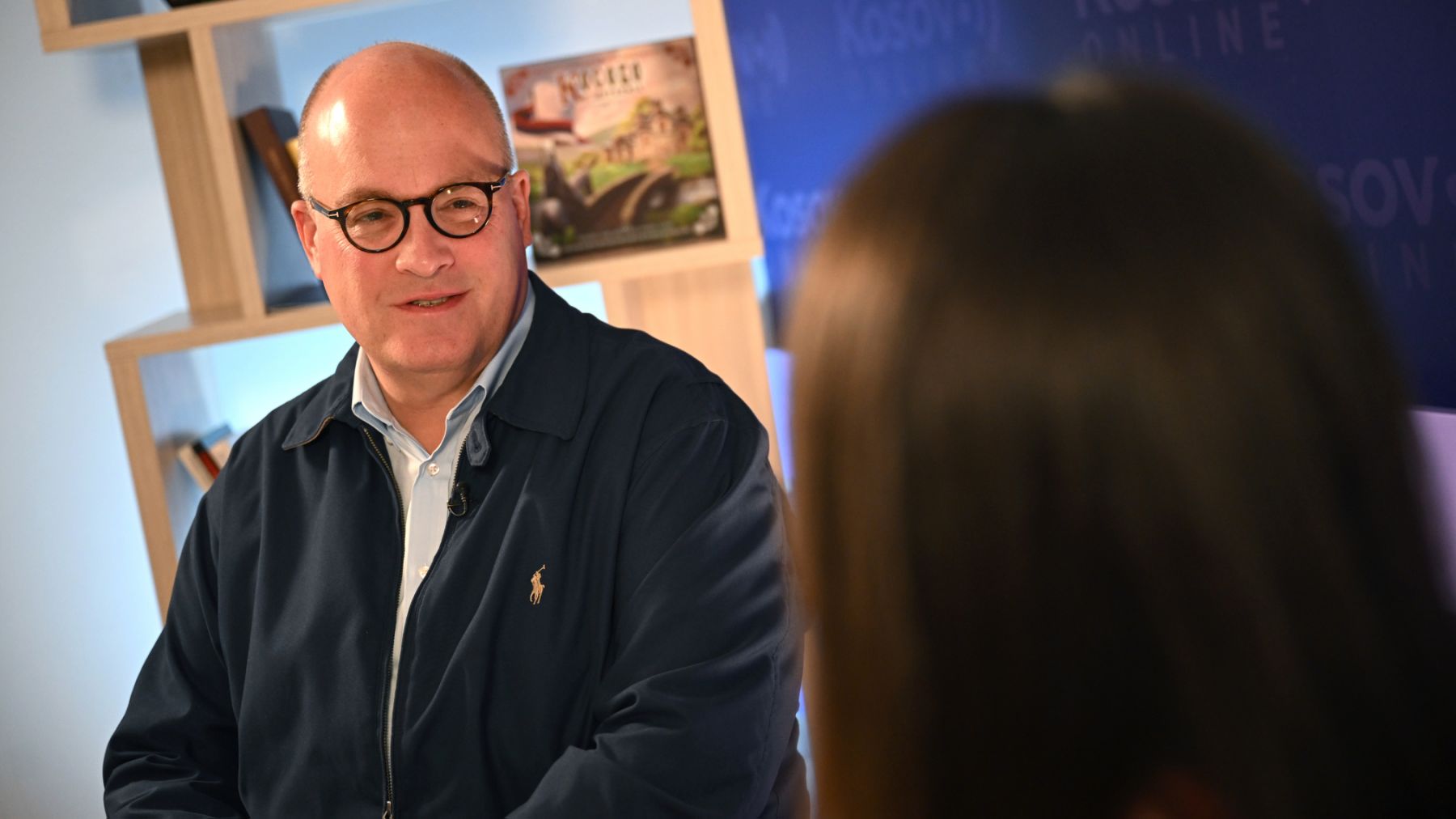
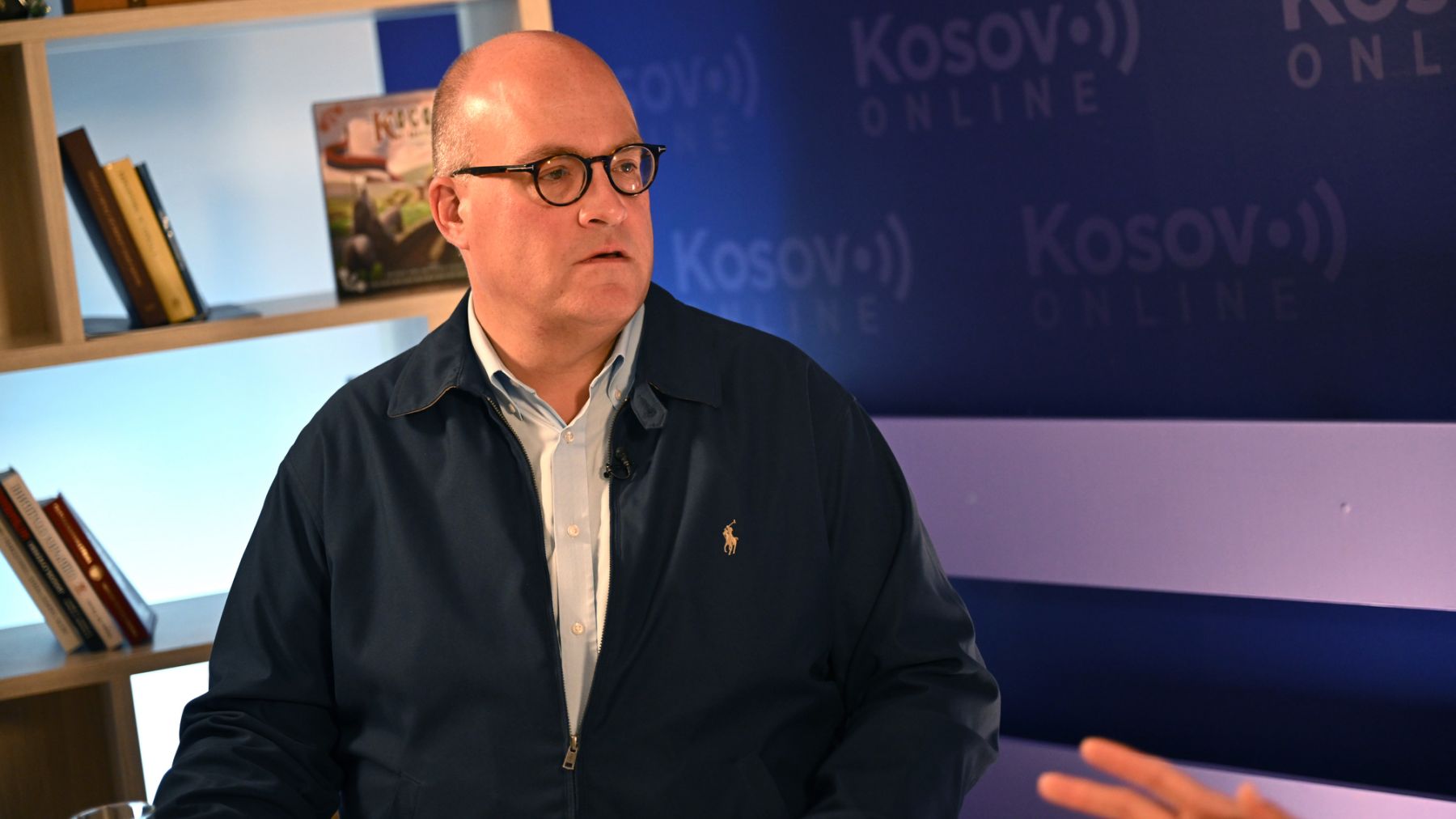
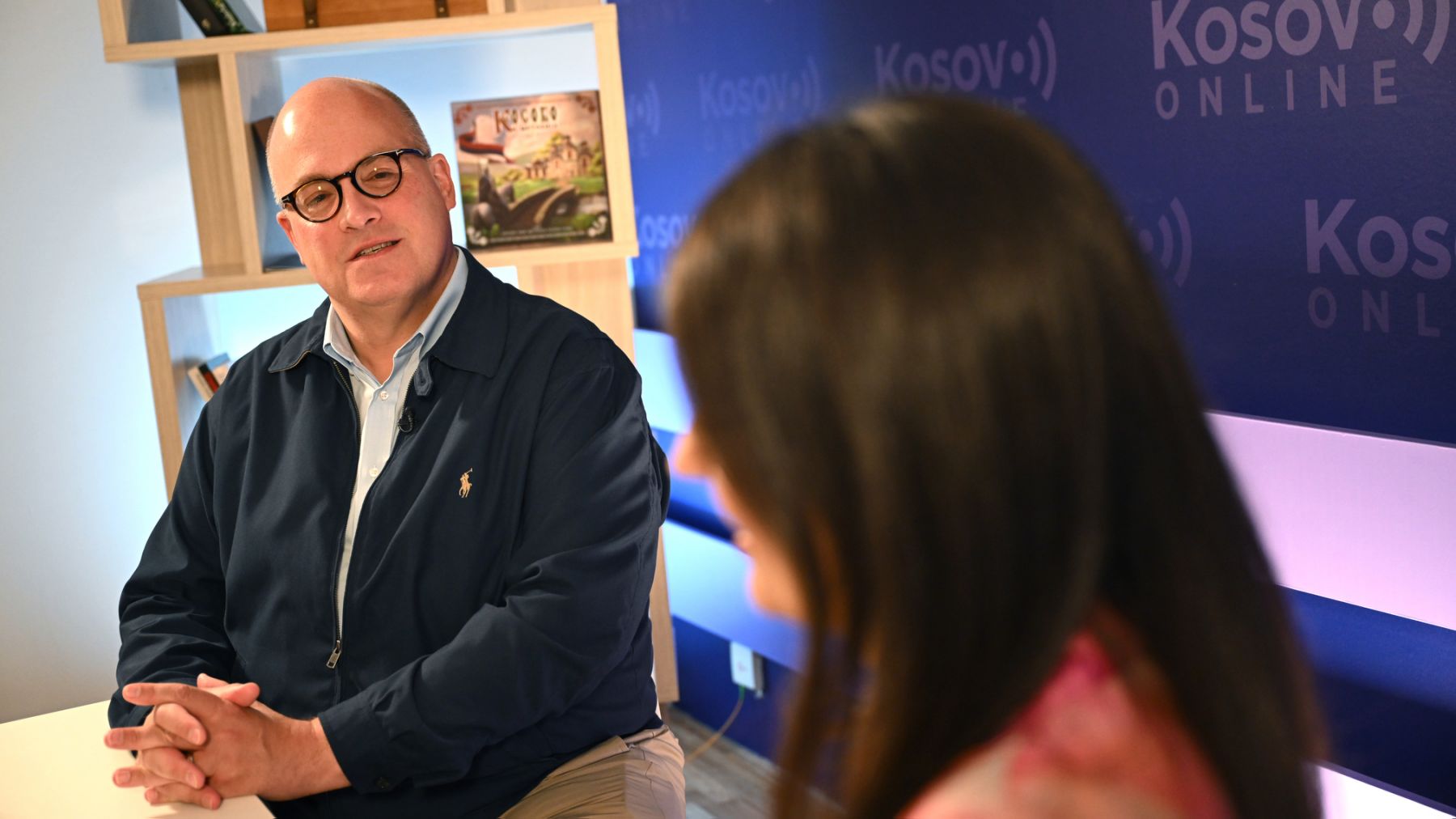
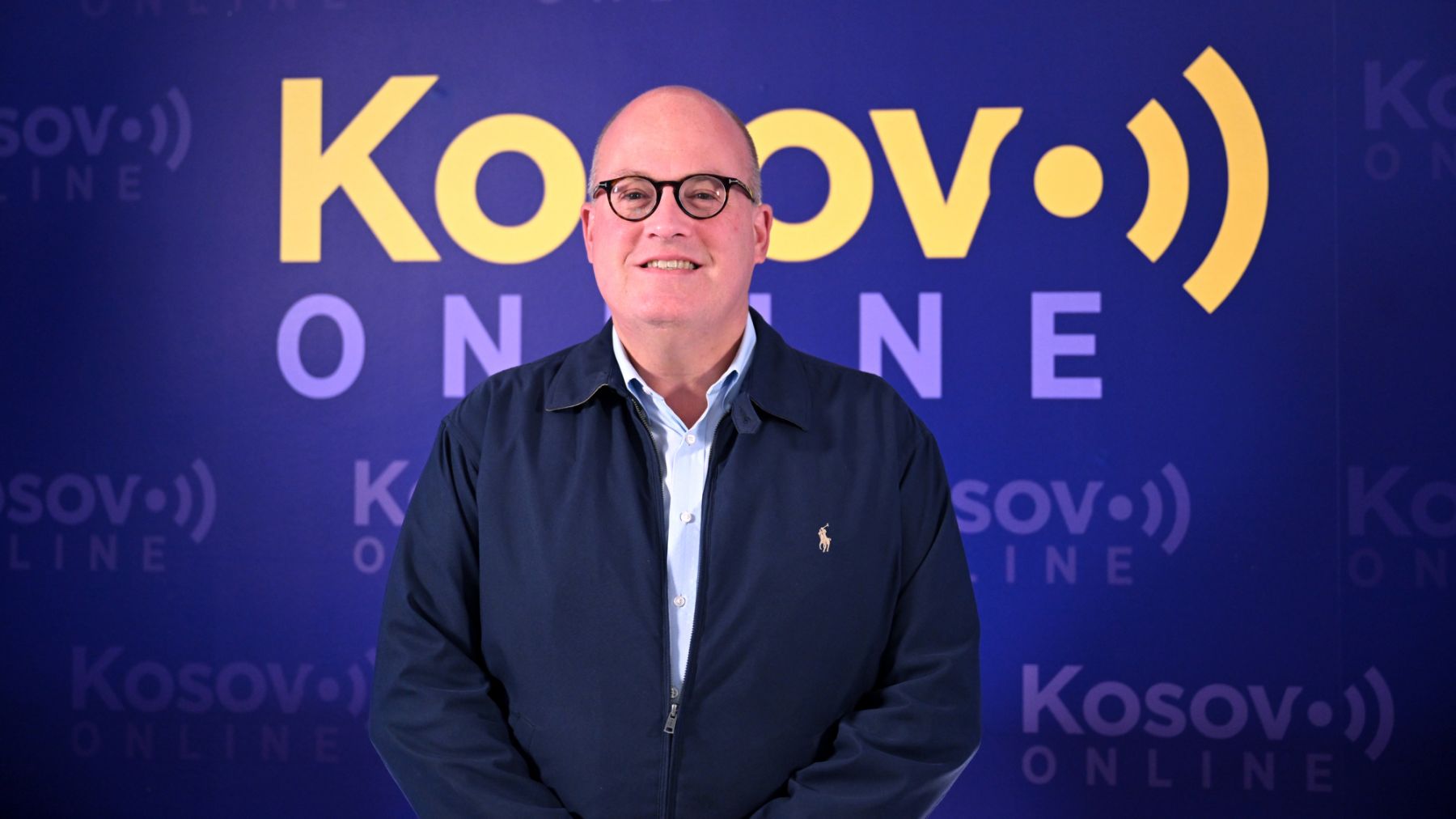
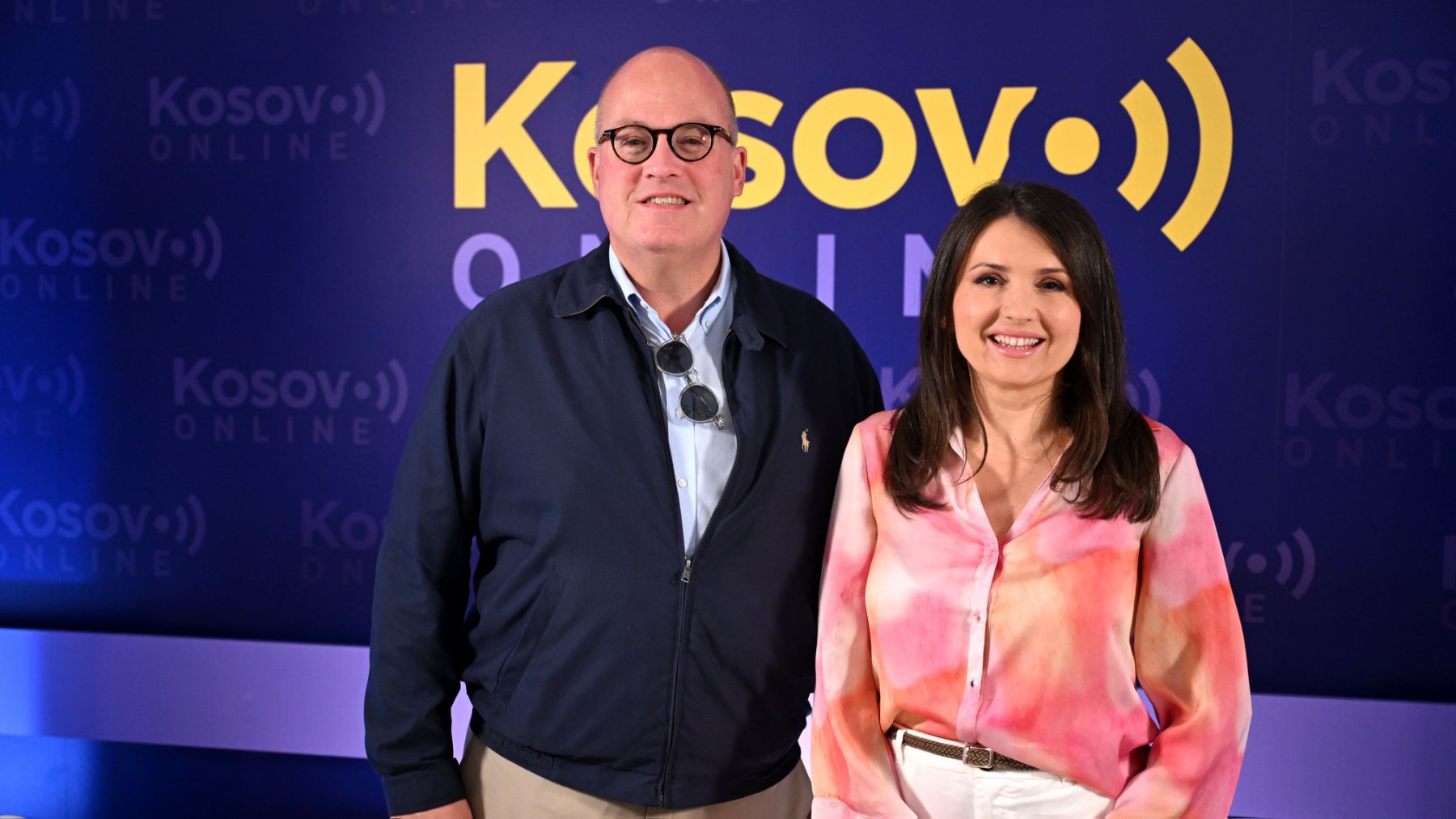
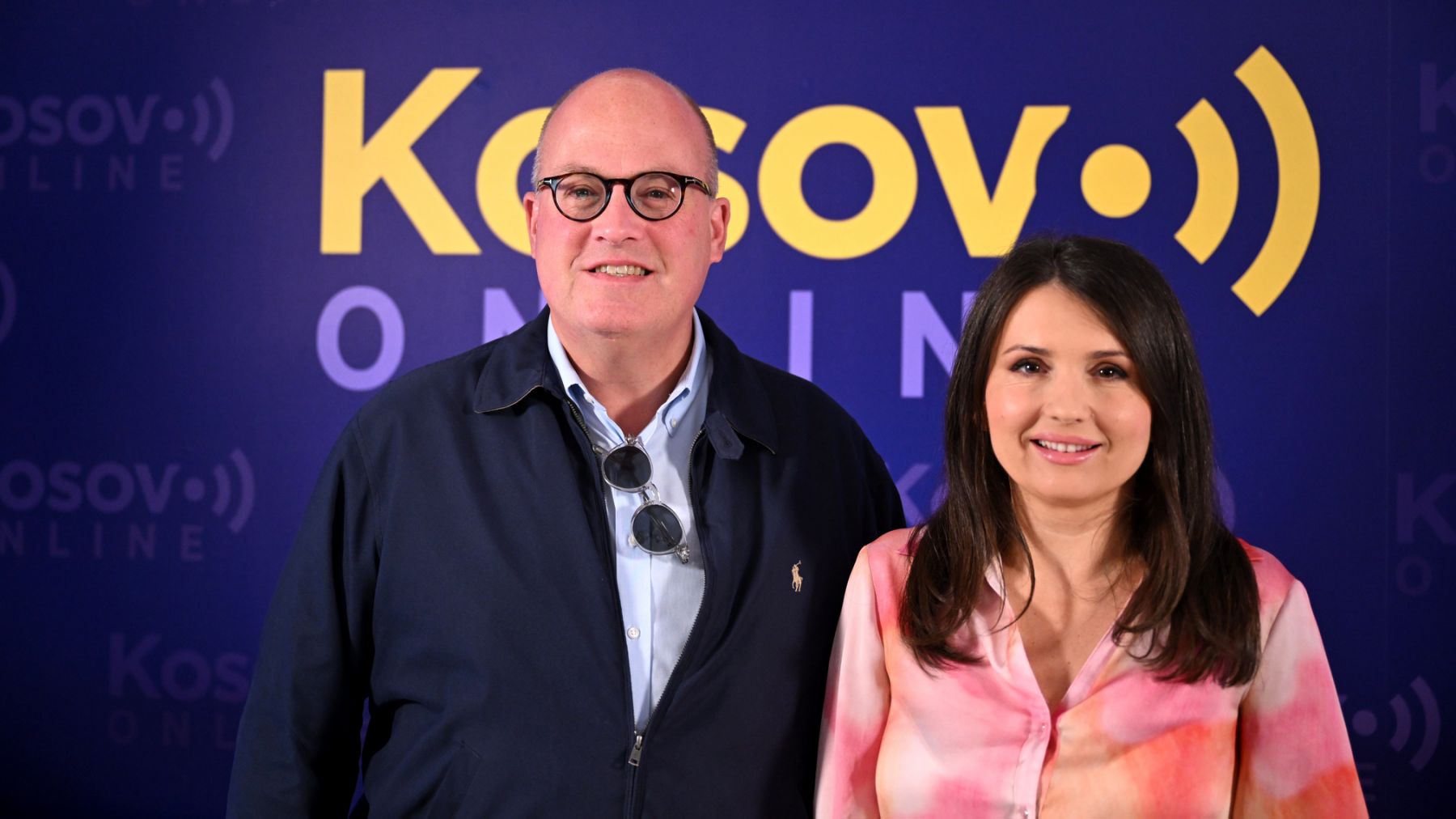
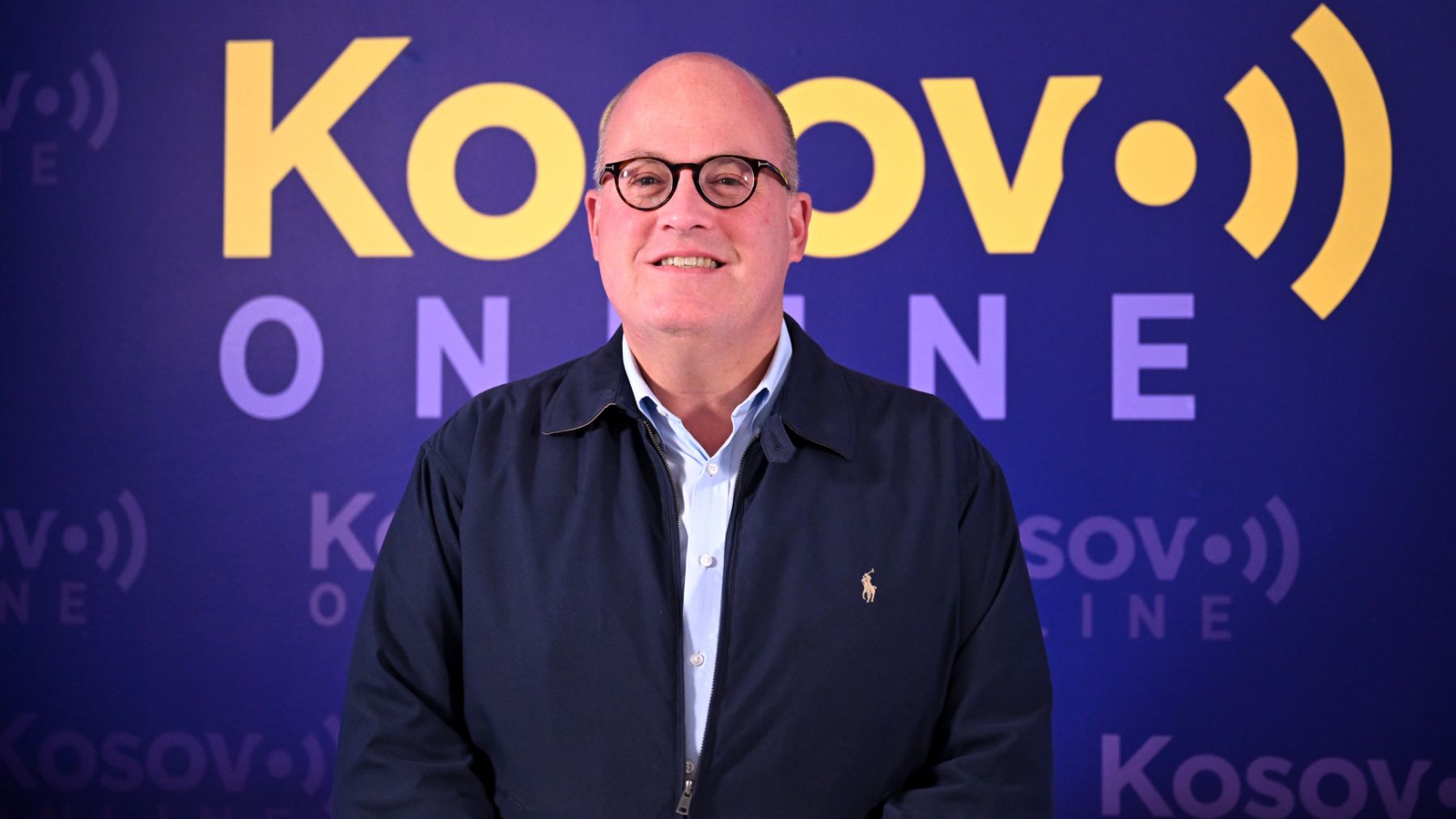
The full conversation between Jonathan Moore and Dragana Biberovic can be viewed in the video segment.





0 comments