
In the valley of ruined graveyards
It is best to come to Samodreza when there are no schoolchildren around. There are two school buildings in the yard, an old one and a new one, so school hours and breaks are avoided. On the southern side there is a sports hall with a separate road and entrance. It is important to remain as inconspicuous as possible. Milos turns the car around for departure. The plan is to first enter the church through the small southern gate, pray, light a candle, look around, film, and then, depending on the number of people outside, leave and take photographs on the way out — lingering only briefly.
The four “disinterested” men and the camera disguised as a photo camera hidden beneath an arm head toward the church. An old Mercedes enters the yard behind us and stops on the right-hand side. Probably the school caretaker or porter. “You were all we needed,” someone whispers quietly before slipping behind the altar of Samodreza. There are almost no lines of sight there, and inside it is safe. Rays of the setting sun fall across the altar wall and the holy table, while fresh cow dung has spread across the floor in front of it. Everyone searches for a place to step; the smell is overpowering. “Stand to the side so you can’t be seen!” comes a sentence spoken half in a whisper, more an order than a remark. In front of the sports hall stand five men looking toward the large western entrance of the church, whose doors were destroyed back in 1998 or 1999.
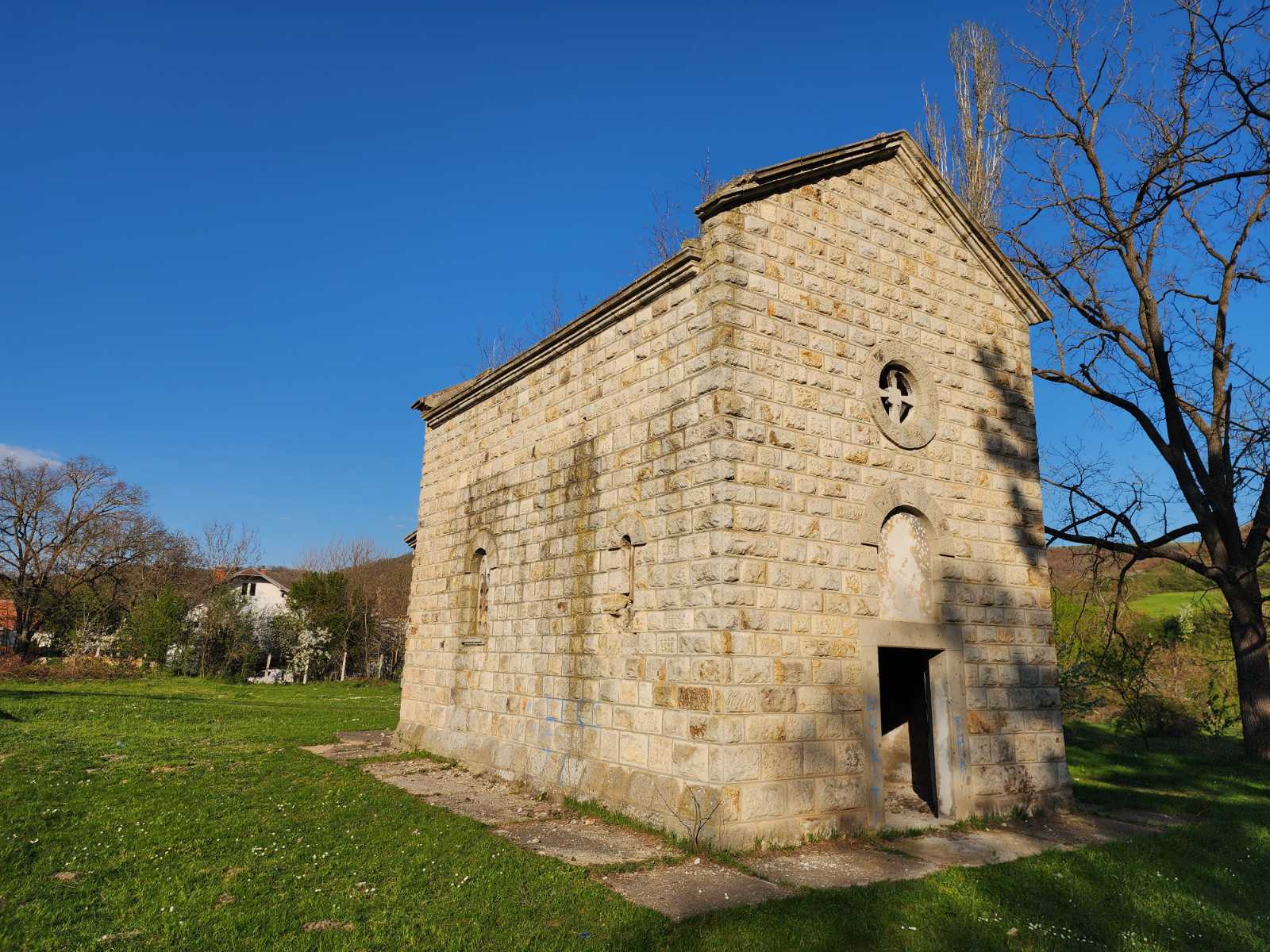
To flee into the safety of Samodreza feels completely natural. We remember that a hero once fled here too — the greatest among the great, Marko Kraljevic. Three times, saber in hand, his father King Vukasin pursued him around Samodreza over power and inheritance. The epic poem says that, at the last moment, an angel told him: “Flee into the church, Kraljevic Marko!” And Marko was saved.
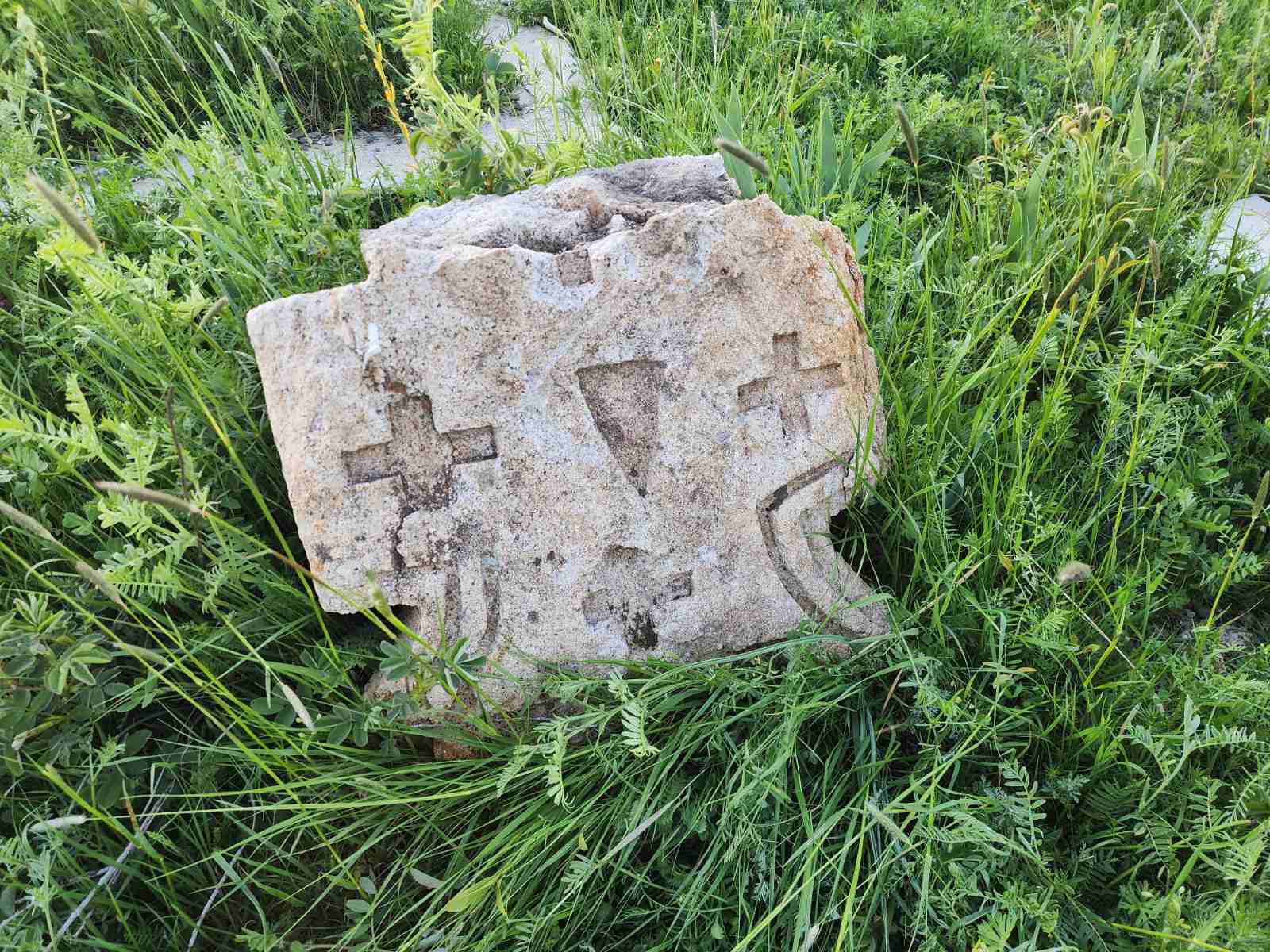
With a smile somewhere between shame and cynicism, we repeat those verses and ask theology student Milos Peric: “Do those verses still apply today? At least to the four of us taking refuge in Samodreza in the third decade of the twenty-first century.” Around us are piles of dung, plastic bottles, rubble falling from crumbling walls, blackened traces of fire on the western side, graffiti reading UÇK (Kosovo Liberation Army)... Beyond the walls lie centuries of fear and caution. Tradition says that Prince Lazar gave communion to his army here on the eve of the Battle of Kosovo, and that after the battle Milos Obilic was buried here. A medieval church once stood on this site, most likely restored during the era of the Sokolovic family, while Serbian consuls in the decades before 1912 recorded the existence of church walls whose stones were being used for nearby Albanian watermills. Following the historical changes brought by the Kingdom of Serbs, Croats and Slovenes and later Yugoslavia, the people of this area and the nearby Vucitrn region, together with newcomers who settled here, sought to raise Samodreza again from the remaining stone foundations, poetry, and tradition. They dug with their own hands, encouraged by the tireless former soldier and clerk Petar Kunovcic, local priests, and community leaders. Committees were formed and dissolved, while renowned architects Aleksandar Deroko and Petar Popovic designed the present church. That broad popular effort brought here the frescoes of painter Zivorad Nastasijevic, brother of the poet Momcilo. The iconostasis was the work of masters from Debar. Serbian Patriarch Varnava Rosic also arrived for the consecration and, on Vidovdan in 1932, together with Metropolitan Josif of Skopje and other bishops, administered communion here to 4,000 souls. The bells rang, and bones unearthed during the works were placed in the crypt...
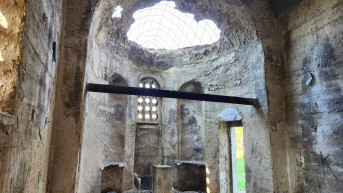
Beneath our feet, damaged by moisture and bad weather, the slabs covering the crypt shift slightly; iron rods protrude from the reinforced concrete walls, and traces of greenish paint appear to flow toward the foundations. High above, around a single nail, there remains a fragment of marble from a memorial plaque, bearing only one finely carved word: “era.” The altar vault was broken through long ago, leaving a gaping hole and exposed reinforcing mesh, while on the left side another smaller opening has appeared. Everything looks as though it has been ground mercilessly in the watermill of history.
In the modern era and communist Yugoslavia, families and people disappeared together with their heritage. The Milincic family is a striking example of that process. Twenty-two-year-old Danilo could not be protected by his unfortunate mother Danica. Mujo Ferat killed him and wounded her. The Milincic family stole nothing, and everything they possess, both here and in life, rests upon these hard stone walls. Among them, priest Stanisa Arsic served the last liturgy here on the Feast of the Beheading of Saint John the Baptist, on 11 September 1997, with only five worshippers present. That was the end of religious services and an ominous sign of the collapse of the entire region.
There is no one left outside now; the sun has almost set. Relieved, we begin taking wide-angle shots.
“How does this tree grow on the roof?” asks Sasa Cubrovic. The roof was burned and destroyed, but the concrete vault remained, and upon it an acacia tree has sprung up, along with a stunted cherry tree beginning to blossom. It appears as though that cherry tree stands atop the idyll of this gentle valley. There are idyllic landscapes in Kosovo and Metohija, but the valley of Samodreza cannot be compared to any of them. Where are its people, where are those who never abandoned these rolling green hills? What remains behind them?
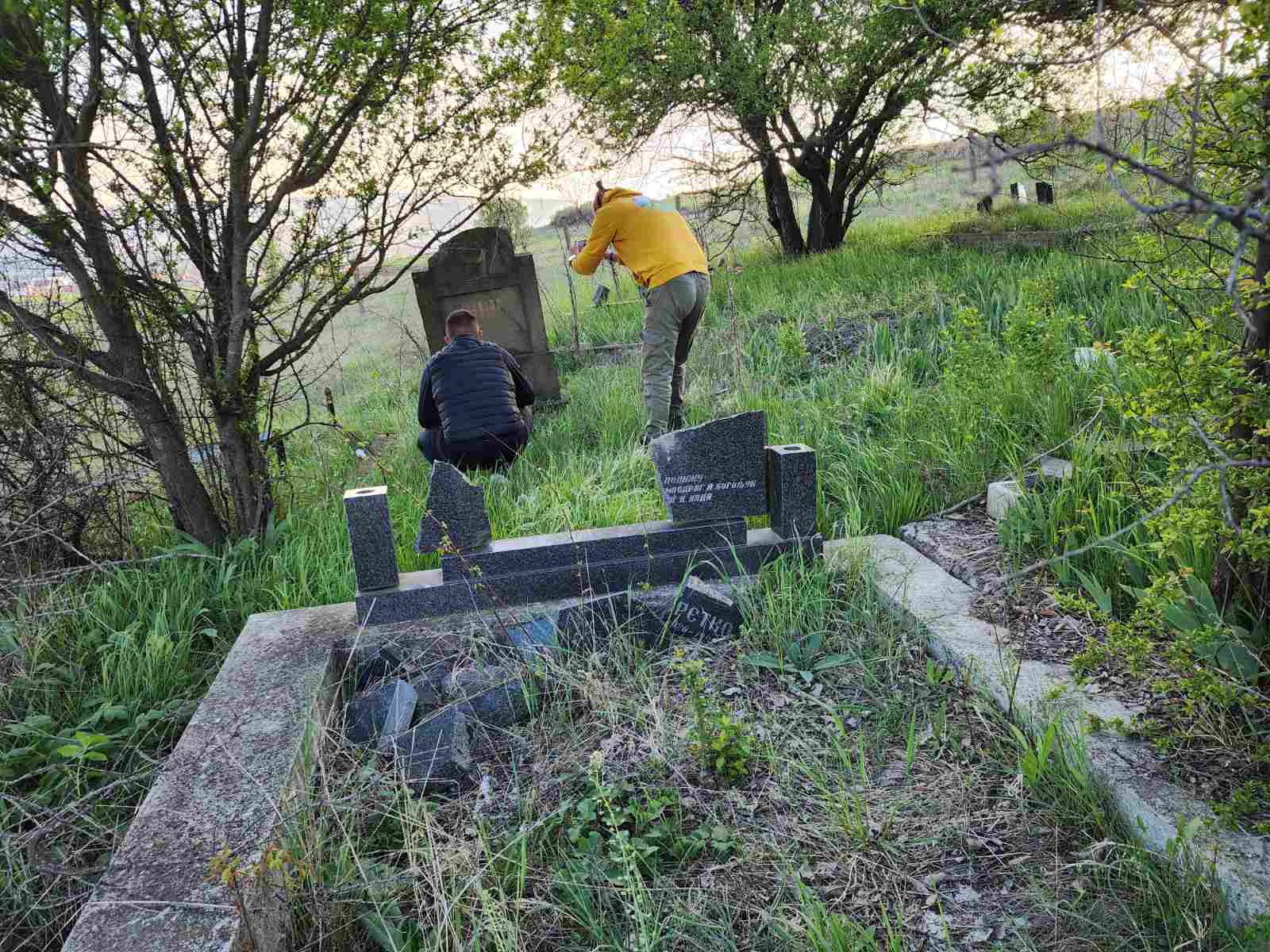
Some are in Belgrade, Kosovska Mitrovica, or Gracanica; they come to Vucitrn for the patron saint’s day of the Church of Saint Elijah, as though drawing closer to themselves and to what is theirs. They resemble a kind of wounded people. One can never write about Samodreza what its inhabitants truly wish to say. For those who dare seek the details of their vanished lives, it is clear that this place is the most beautiful valley of ruined graveyards. In the midst of it, among the thorns of the village of Vilance, lies a toppled grave belonging to some Pelagija or to the Zivic family, while in Novo Selo everything has been crushed, and all that “survived” is the name of a certain Mihajlo and red tulips planted by someone’s love.
At the end of April, in the valley of Samodreza, while the greenery has not yet covered the names, the graves, and the churches, the watermill of history casts from beneath its cruel stones personal pain and memory like flour for some future, happier bread and a moment of victory.
Written for Politika by journalist and writer Zivojin Rakocevic



comments