
Will the upcoming elections in Kosovo bring a change in power, and what keeps Self-Determination at the top?
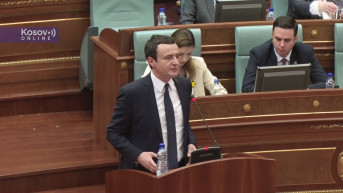
"The key problem for opposition parties is the lack of leadership, new faces yet to prove themselves, whose image is burdened by the parties' bad legacy, corruption, and ties to crime. On the other hand, many argue that Kurti's Self-Determination will never again have 50 percent support, and in any future reshuffling, it will have to form a coalition, lacking that potential".
Edited by: Milos Garic
The accusation that the current government in Kosovo is in the hands of "populists and incompetents" who have damaged Pristina's foreign policy, led to EU sanctions, and strained relations with key partners has been voiced multiple times in the past few months by representatives of Albanian opposition parties.
However, despite calls from opposition parties in Kosovo for extraordinary elections, analysts believe that the opposition knows well that it cannot overthrow the current government because it lacks sufficient votes in parliament. Therefore, the only potential path to elections is through the government's resignation, but the chances of that happening are very slim.
Despite numerous challenges facing the Kosovo Government, the rating of the ruling Self-Determination party among Albanian voters remains very high. According to recent polls, Kurti's party maintains stable support at around 40 percent, nearly 10 percent less than two and a half years ago but still significantly higher than any other political entity in Kosovo.
From this fact, Albin Kurti draws the capacity to persist with his firm national policy, which has heated up relations with the Serbian community and even disturbed major Western partners. Simultaneously, it is this policy, relying on the stereotype of the Serbs as the greatest Albanian enemies, that keeps Kurti firmly rooted among the extreme Albanian population.
According to data provided by opposition parties, today, as many as 30 percent of citizens in Kosovo are living on the brink of existence. However, the majority of them still support Kurti, even though he has not fulfilled any of the promises to improve the living conditions of the most vulnerable population since he took over the government.
Why does Self-Determination, despite all unfulfilled promises and scandals, still have by far the greatest support among the Albanians in Kosovo, and whether the next elections will bring a change of government, is a question we posed to representatives from the civil sector in Pristina and North Mitrovica.
Kurti's populism stronger than reality
Sociologist and political analyst Artan Muhaxhiri emphasizes to Kosovo Online that Albin Kurti has managed to attract voters like no one before him in Kosovo through top-notch populism.
"The outcome of the 2021 parliamentary elections was the result of several important variables that created the context for Self-Determination's extraordinary winning mosaic: significant political frustrations among many social categories, lack of substantial economic progress, a shortage of government visions for improving general well-being, corruption scandals, and internal crises of the main parties. Albin Kurti's masterful populism managed to perfectly package even the contradictions between the views and personalities of his party under a single roof and maximize the use of this specific situation, winning with 50.3 percent of the votes", Muhaxhiri says.
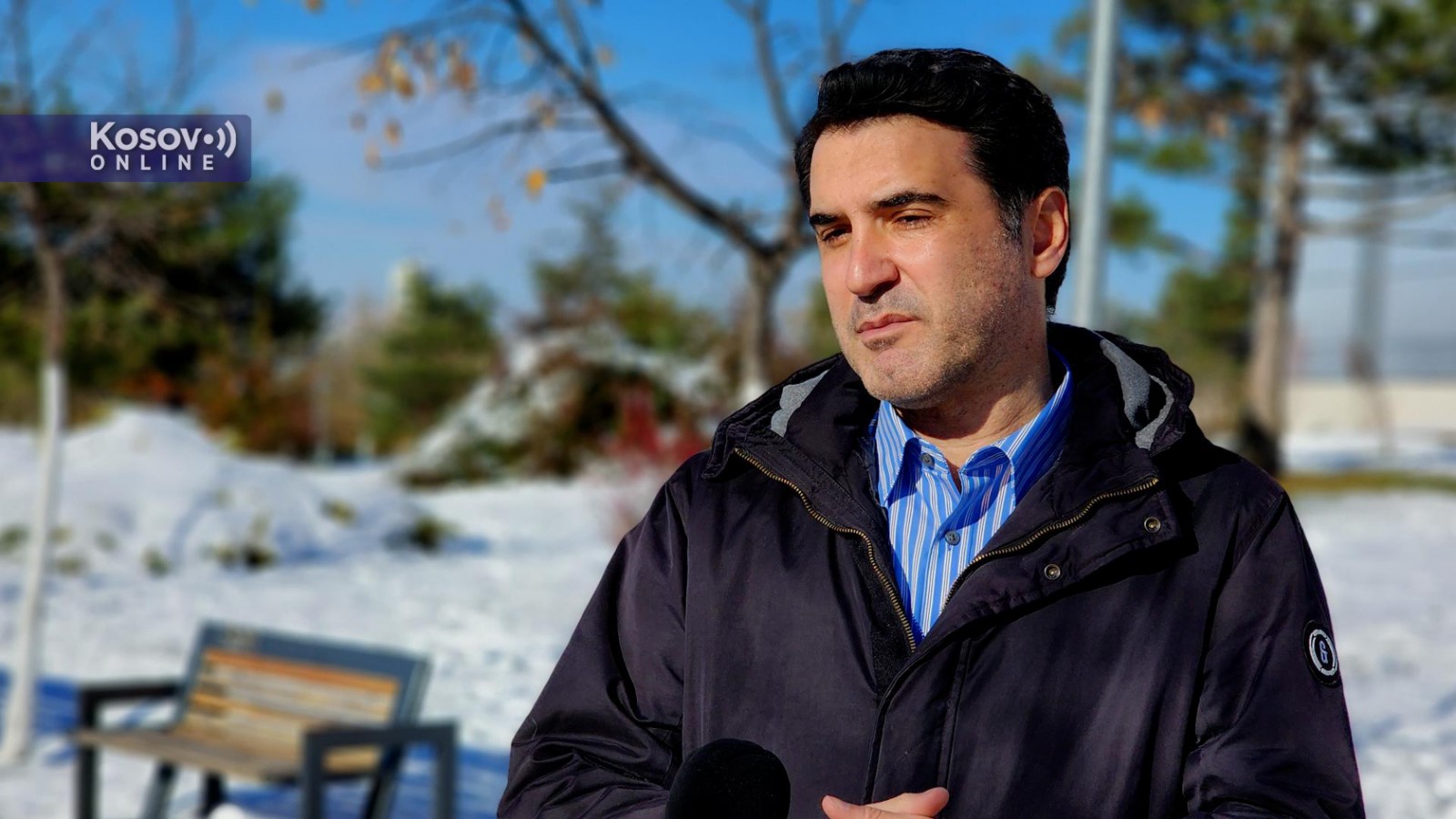
He emphasizes that "this great inertia required many years and political investments, so it is logical that it cannot be quickly changed in the opposite direction".
"The major parties found themselves in a traumatic situation - the Democratic Party of Kosovo (PDK) had 17 percent, and the Democratic League of Kosovo (LDK) had 12.7 percent. There were clear indicators of Self-Determination's significant victory. However, it was truly enormous and never seen before.
After two and a half years, opposition parties are still searching for an effective strategy to fight against this new order of things and Kurti's populism. Certainly, there are some challenging circumstances for them. PDK focuses its energy and dedication on the Hague trial of its leaders - Hashim Thaci and Kadri Veseli, while LDK works on internal reforms and creating a new image", Muhaxhiri explains.
According to him, potential new elections in the coming months are unlikely to bring significant changes.
"Compared to the current configuration of the political spectrum, it is challenging to expect changes. There is no such visible mood in public discourse, supported by public opinion research results. However, there is one variable that has the potential to raise many new questions and open up very serious perspectives. That is visa liberalization for Kosovo. If, eventually, this proves to be a turning point for the trend of young population emigration and demographic changes, then Kosovo society could experience rapid and confusing socio-political changes", Artan Muhaxhiri concludes.
At this moment, Albanian opposition parties in Kosovo are challenging the claim that the Self-Determination Movement will never again receive 50 percent of the votes, as it did in the previous elections.
Support for Self-Determination remains significant
Vlora Citaku, Vice President of the Democratic Party of Kosovo, hopes that parliamentary elections will be held as soon as possible to measure the strength of political parties.
"The only parameter that measures political strength is elections, and two years ago, we had local elections where the opposition won. I hope that parliamentary elections will be held as soon as possible, and that will be the real measurement", Citaku says, noting that the only area where Prime Minister Kurti excels is propaganda.
Milica Andric Rakic, Program Manager at "New Social Initiatives" from North Mitrovica, cites the party of Albin Kurti's significant lack of coalition potential as a major drawback.
"The support that Self-Determination has is significant; individually, the party has the highest support according to polls, but that support has been declining in recent years. The Self-Determination Movement would certainly not win 50 percent of the votes again in today's elections. On the other hand, the coalition potential of Kurti's party is small, so it is questionable whether, even with 40 percent in some new elections, they would be able to form a government", Andric Rakic points out for Kosovo Online.
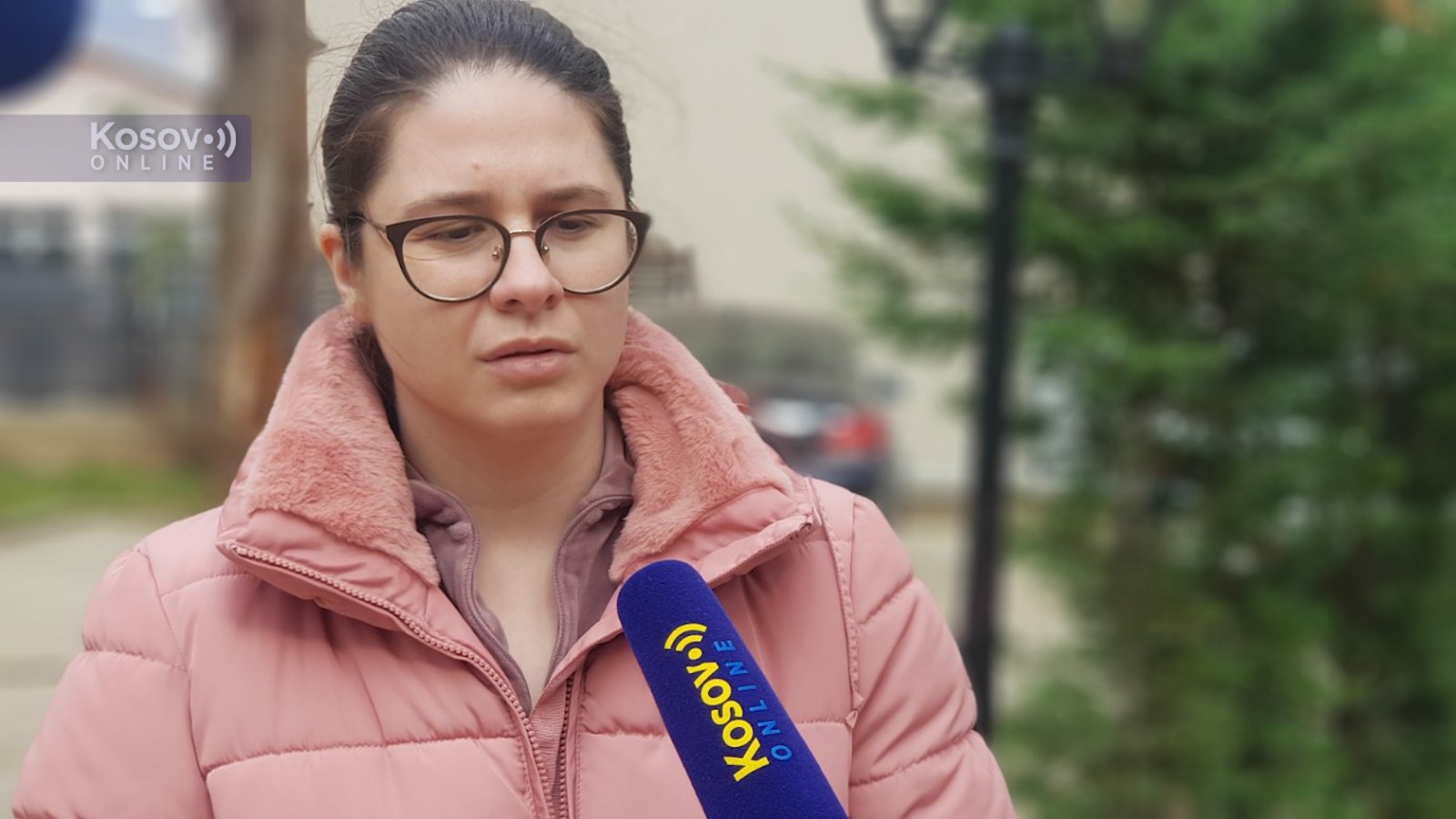
She also reveals that public opinion polls conducted by one of the opposition parties in Pristina show that the party has the support of over a third of the voters.
"However, the key problem for the opposition is a change in leadership and new faces that are yet to establish themselves, whose image is burdened by the poor legacy of the parent parties, especially regarding corruption and ties to crime. This is particularly true for the Democratic Party of Kosovo. On the other hand, Self-Determination has had more issues with management style, and policy effectiveness, especially in foreign policy. Due to the EU measures and the dialogue with Serbia, there is widespread dissatisfaction, and there are numerous complaints about the work of Foreign Minister Donika Gervalla. Apart from the procurement of strategic reserves, there have been no major corruption scandals, but the situation has shifted to the other extreme. Due to poor management, only 35 percent of the funds allocated for capital projects were spent this year, according to research by the GAP Institute. It is logical that when little is done, there is not much room for corruption scandals", Milica Andric Rakic emphasizes.




0 comments