
AFP: The ban on the dinar is causing a financial crisis among the Serbs in Kosovo
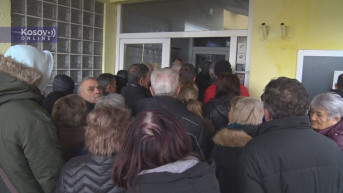
The Serbs in Kosovo are struggling to access dinars because thousands of them receive salaries, pensions, and social benefits from Belgrade, AFP writes.
Frustrations are mounting more than a month after a new "controversial" rule made the euro the only legal currency in Kosovo, effectively banning the use of the Serbian dinar, France 24 reports.
This move has angered Belgrade, which does not recognize Kosovo's independence and continues to finance healthcare, education, and the social security system for the Serbs there.
However, the Kosovo Government has repeatedly blocked shipments of dinars at the border to deplete cash reserves, which they claim are used by alleged organized criminal groups in the north where the majority of Serbs live.
In Gracanica, the headquarters of a 14th-century Orthodox church considered a spiritual and political stronghold for generations of Serbs, the dinar regulation has hit the local community hard.
At the Postal Savings Bank of Serbia, the only place where Serbs could receive pensions and salaries for work in Serbian institutions, long queues are forming.
With its cash reserves dwindling, the bank has imposed a withdrawal limit of 10,000 dinars.
"Pensions are delayed, but bills aren't. I don't know how we'll manage," Snecana Vujovic, a 43-year-old nurse says.
"Anyone who wants money has to go to Serbia," Momir Jeftic said to AFP.
"The economic situation is already difficult, and without money from Serbia, it's even harder," the 68-year-old pensioner emphasized as he stood next to an empty ATM.
The growing financial crisis has forced many Kosovo Serbs to spend hours traveling to Kursumlija, Vranje, and Bujanovac for money.
"All of this is aimed at harming the citizens. Such decisions are strange," Dragan Colic (68) said to AFP.
comments