
Arsovski: Every “faster and more efficient” European Administration benefits the Western Balkans
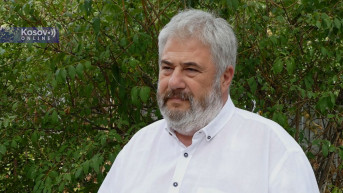
Analyst from Skopje, Petar Arsovski, stated that every “faster and more efficient” European administration is beneficial for the Western Balkans, but expressed concern that the reform process could slow down communication with the region.
“Any change in the European Union’s administration that will make it faster and more efficient is fundamentally favorable for the Western Balkans, because communication regarding the development plan, accession negotiations, and ongoing issues would become quicker and more effective. The dilemma is how long this reorganization will take,” Arsovski told Kosovo Online.
Therefore, he voiced concern that this process could slow down the Western Balkans on its path to the EU.
“Following previous examples of the European Union and its introspective phases, it may happen that this reorganization process will take much longer than the Commissioner predicts, and in the meantime, while this process is ongoing, communication with the Western Balkans will slow down,” Arsovski emphasized.
He ironically noted that North Macedonia should not fear this too much, since in its case, he pointed out, “the accession process is already prolonged.”
“We have nothing to be afraid of, because our accession process is already prolonged, for our own reasons. At the moment, the process is blocked because we cannot hold the second intergovernmental conference, so this process does not affect us. Perhaps the countries that are in active negotiations, Albania and Montenegro, should be more worried,” the analyst highlighted.
He added that the reform process within the EU cannot bring anything bad for the Western Balkans.
The problem, he stressed, lies in the “limbo” while that process is not completed.
“There are no bad changes if the ultimate goal of the administration is to be more efficient and faster. The only problem is if this limbo, while the reforms are being completed, lasts so long that it becomes an obstacle in the European Commission’s communication with the Western Balkans. The EU often enters a phase where they say, ‘let’s reorganize first, and then we will continue working.’ That reorganization process can last so long that it will affect essential communication with the Commission,” Arsovski believes.
0 comments