
Arsovski: Von der Leyen's visit provides a new impetus to Western Balkan integration
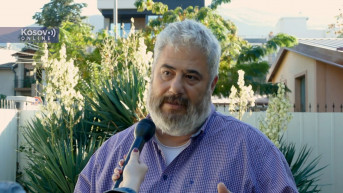
Analyst and communication expert from North Macedonia, Petar Arsovski, assessed that the visit of the President of the European Parliament, Ursula von der Leyen, to the Western Balkan countries was an obvious attempt to give a new impetus to the region's integration.
"In this context, I interpret her plan for accelerated growth in the Western Balkans. This is an attempt to introduce a new impetus between two variables: one is the fatigue of expansion among local states and their internal political problems that can hinder this path, and on the other hand, the doubts and introspection that the European Union is finding within itself. These two issues are actually hindering the European path, that is, the integration of the Western Balkans, and this is an attempt to introduce an economic component into this question," Arsovski says to Kosovo Online.
He assesses that the visit is more related to the economy than to political criteria, and therefore, it is more focused on improving the living standards and overall economic growth.
"However, we also had a message about the completion of constitutional amendments, there was a message that serious tasks lie ahead in terms of the rule of law, crime, corruption, and structural reforms. So, all in all, this is an encouragement within the context of the Western Balkan tour towards European integration, but not without its own criticism," he said.
Arsovski believes that Von der Leyen came to the region this time more with a "carrot" than a "stick" since the plan is more intended to increase the willingness, or the appetite, of the local member states to expedite their path to the European Union, as recent surveys indicate that the local electorate is already tired of "endless promises".
When asked if and how the plan for Balkan growth that Von der Leyen would present to the countries of the region could affect the relationship between Kosovo and Serbia, he said it didn't directly touch on those relationships.
"This plan cannot directly touch that issue. However, it's about political will between Belgrade and Pristina, and it will remain one of the most urgent issues in the Balkans, both in terms of security and stability and in terms of political trust. I think it will require shuttle diplomacy, not a systemic answer from Brussels," Arsovski concludes.



0 comments