
Beshiri: The European Parliament could have done much more for the dialogue between Belgrade and Pristina
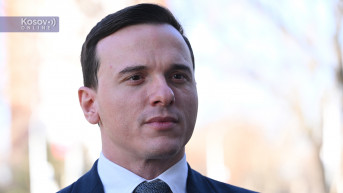
Naim Leo Beshiri, the Executive Director of the Institute for European Affairs, believes that the current session of the European Parliament wanted to see peace between Belgrade and Pristina and has succeeded despite all the problems. Beshiri also notes that the discussion heated up as the term of this EP session was drawing to a close, particularly concerning the dialogue between Belgrade and Pristina.
"President Vucic has succeeded in his intention to delay the agreement between Belgrade and Pristina as long as possible, until the EP elections and the U.S. elections, which means that the pressure on Belgrade and consequently on Pristina will decrease until the beginning of next year. We are entering the electoral process in the EU, which is already underway. We expect the EP to shift slightly to the right, but it is anticipated that the existing configuration in the EP will remain in power and that Von der Leyen will continue at the head of the EC. However, it will take several months to align everything, so there will not be significantly greater pressures from the EP and EC by the end of the year. EP members have intensified the discussion in the last few months because everyone is somewhat tired of the promises from Belgrade and Pristina that they will do everything they agreed in 2013, and then again in Brussels and Ohrid, so the rhetoric also sharpened as this EP term came to an end, including between members of the SNS, the president, and MEPs, but this will now be halted until the new EP," says Beshiri.
He emphasizes that such actions do not contribute to the dialogue and good relations between Serbia and the EP, and that trust in the EU began to decline after 2009, when membership was supported by more than 75 percent of the citizens.
"The main culprit should be sought in Belgrade and the Government of Serbia which fails to fulfill obligations, as well as the anti-Western and EU narrative that exists in the media, but a finger can also be pointed at Brussels, whose ineffective policy regarding the admission of new members and pressures have led to Serbia's 10 years of negotiations approaching Turkey, which has been negotiating membership for decades," Beshiri believes.
Beshiri thinks that this session of the EP wanted to see peace between Belgrade and Pristina. "And it succeeded despite all the problems in the negotiations between President Vucic and Prime Minister Kurti, peace is still preserved, which is a great plus for everyone. However, much more could have been done, a chance was missed, and we hope that some new political constellations in Belgrade and Pristina will lead to a solution in the future. Now, 66 percent of Serbian citizens expect their authorities to establish lasting peace, and that is what drives Vucic and Kurti into dialogue alongside the pressures coming from the West".
Beshiri finally points out that despite "our belief" that Serbia and Kosovo are being dealt with in Brussels or Washington on a daily basis, this is not happening, and if they do not "cause trouble," they are not a topic anywhere on the planet.
"We are a small, poor country; Kosovo is even poorer. It would be better for the authorities to deal with problems of education, healthcare, pensions, and salaries, so it is better for the authorities to focus on these issues, and cooperation between Belgrade and Pristina would be a benefit for all citizens in Serbia and Kosovo."



0 comments