
Dacic: Kurti is the biggest threat to peace in Kosovo
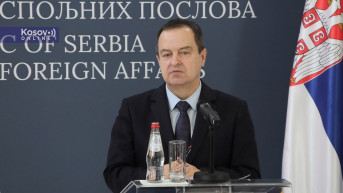
First Deputy Prime Minister and Minister of Foreign Affairs of Serbia, Ivica Dacic, said today before the panel "Western Balkans: Everything changes but everything stays the same?" at the Bled Strategic Forum, that Kosovo Prime Minister Albin Kurti was the biggest threat to peace in Kosovo.
Commenting on Kurti's statement that Pristina had been working on de-escalating the conflict for the past few months, Dacic told Tanjug that he did not know how they were working on that, since the escalations were getting bigger and bigger.
"I don't know how they are working since the escalations are getting bigger and bigger. We have said 100 times so far that the biggest threat to peace was Kurti," Dacic said.
He emphasized that ten years had passed since he had signed the Brussels Agreement with Catherine Ashton and Hashim Thaci and that in Pristina "they did not see fit" to implement anything from that agreement concerning the rights of the Serbs in Kosovo, such as the formation of the Community of Serb-majority Municipalities.
"Everything they did, they worked on further escalation," the head of Serbian Diplomacy said.
Dacic reminded that when the Brussels Agreement had been discussed, they had discussed an attempt to normalize relations between Belgrade and Pristina without interfering with the status issue, that is, prejudging how the status of Kosovo and Metohija would be resolved politically.
"All this is unacceptable for him (Kurti), that is, he does not want the status issue to be resolved, because if it cannot be resolved through negotiations, it will be resolved with weapons, and that is their conception," Dacic said.
He concluded that, if the European Union did not see it, he did not know what else Serbia could do to help, except to appeal to stop Kurti while it was still possible.
He added that today's main topic among the participants of the Bled Strategic Forum was whether Charles Michel had expressed his opinion or the EU's position that new members could be expected by 2030.
"I don't know much about it. It wouldn't be the first time that someone disagreed with it, but it wouldn't be the first time that someone had positive initiatives. Either way, we welcome it and we want to believe that it will happen," Dacic said.
Dacic said that the meeting in Bled was an opportunity for the representatives of different institutions, states, and people in different positions to meet every year, but that bilateral meetings were also very important.
On the sidelines of the Bled Strategic Forum, Dacic spoke with the Secretary of State for European Affairs of France, Laurence Boone, who, on this occasion, also expressed her support for the European integration of Serbia, as well as the dialogue process between Belgrade and Pristina. As stated in the press release of the Ministry of Foreign Affairs of Serbia, the high level of bilateral relations between the two countries and the exceptional dynamics of the political dialogue were discussed at the meeting.
The will was expressed on both sides to maintain the reached level of overall relations and to continue with its strengthening.
"The strategic partnership between Serbia and France and its importance for the further improvement of cooperation in various areas of mutual interest were highlighted in particular. The French side once again expressed its support for the European integration of Serbia, as well as the dialogue process between Belgrade and Pristina," the statement said.
During the conversation, opinions were also exchanged on all other issues and current foreign policy topics of common interest.

comments