
Dimitrov: The Berlin Process action plan leads to stronger economic cooperation in the region
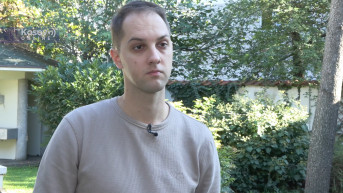
Researcher at the Belgrade Center for European Policy, Djordje Dimitrov, stated that the signing of the second action plan for CRM – the Common Regional Market, should lead to the deepening of economic cooperation in the region.
“The Berlin Process has focused on two things. First, to assess the results of what has been achieved in the past ten years. It has brought some truly tangible results, further brought the region closer to the EU, and what is its greatest success – it created the Action Plan for CRM, the Common Regional Market. At this summit, which marked the first ten years, the second action plan was adopted, which should lead to the deepening of economic cooperation in the region,” Dimitrov said for Kosovo Online.
Commenting on Prime Minister Albin Kurti's announcement that Kosovo will unilaterally abolish visas for citizens of Bosnia and Herzegovina as of January 1st next year, Dimitrov says it is part of Kurti’s "political game and tactic" to "shift the ball to Bosnia and Herzegovina’s court."
“As for the visa abolition, the possibility for citizens of Bosnia and Herzegovina to enter Kosovo is likely a political move by Kurti, where he wants to shift the ball to Bosnia and Herzegovina’s court, since it is the only country in the region that does not allow Kosovo citizens to enter without visas. This is simply the kind of political game and tactic he is now implementing,” Dimitrov said.
He adds that at yesterday’s Berlin Process summit, there was no discussion about the Belgrade-Pristina dialogue because this process will be in a status quo for the next few months due to the upcoming Kosovo elections.
“Kosovo is awaiting elections, so we can expect that Kurti will certainly not be willing to make any concessions to Serbia that could cost him some votes. What we might expect are some new unilateral moves, aimed at securing additional votes. After that, Kosovo will probably claim it does not have a government and that it is waiting for its formation. We are also likely waiting for a new special envoy for the dialogue, who will need time to get familiar with the process. So, we can say that even if meetings take place, they will not significantly contribute to any progress. Therefore, the status quo for the next few months is the most realistic outcome,” Dimitrov concluded.


0 comments