
Djuric: In his treatment of Serbs, Kurti has matched the Dahijas
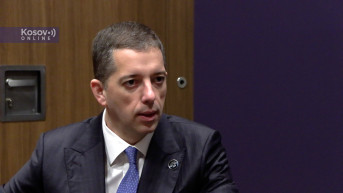
Serbian Foreign Minister Marko Djuric stated that Kosovo’s caretaker Prime Minister Albin Kurti, in his actions toward Serbs in Kosovo, has equated himself with the infamous Dahijas—Aganlija, Kucuk Alija, Mehmed-aga, Mula Jusuf, and others—and that he is working to suppress all forms of leadership among Serbs in Kosovo, which Djuric described as a modern-day version of the Slaughter of the Serbian Nobles.
In an interview with Kurir, Djuric said that Kurti’s regime has been marked by efforts to eradicate all Serbian influence, to an extent he described as practically unimaginable.
“The pressure on Serbs is unprecedented. In Kosovo and Metohija, freedom of speech, movement, and elections have been trampled on, and the largest Serbian political organization, the Serb List, is being persecuted. I myself have been in difficult situations in Kosovo countless times—something that rarely reached the media—but one day I will record in a book all that I went through: arrests, persecution, being indicted. Kurti is not a democrat; he is an ethno-nationalist with elements of chauvinism. He may not be old in years, but in mentality, Kurti and his regime belong to the past,” Djuric said.
He emphasized that the future of the Serbian and Albanian peoples should not lie in conflict, but must be built on mutual respect.
Djuric also reflected on the recent visit of Donald Trump Jr. to Serbia, stating that it is a positive sign that there are people at the top of the U.S. political establishment who not only know Serbia but also feel respect and sympathy for the Serbian people.
“The time is ripe for a strategic partnership between Serbia and the United States, and the return of Donald Trump is conducive to that. It is also very important that Serbs in America have politically organized and contributed to this establishment, which has been recognized and appreciated. I would particularly highlight the relationship President Vucic began developing with Trump five years ago, even when he wasn’t in power. We respected and appreciated him, while others in Europe spoke mockingly and insultingly of Trump. I still maintain numerous contacts from my time serving in Washington—though I don’t post photos of them every day. I approached the development of relations with the U.S. as a patriotic duty, fully aware of the labels certain political opponents would try to pin on me,” said the Serbian foreign minister.
He added that he recently had the great honor of being officially received by Chinese Foreign Minister Wang Yi.
“Serbia is the only country in Europe that is a member of the Community for the Future of Humanity, meaning that we alone in Europe have an active free trade agreement with China. This is a historic opportunity—not just for us and our children, but also for our grandchildren. In the coming years, you will see entire industries coming here to do business, not only from China,” said Djuric, who also visited Moscow in February and met with Russian Foreign Minister Sergey Lavrov.
Djuric emphasized that thanks to Serbia’s “balanced foreign policy and extended hand,” the country is now recognized as a business hub and potentially, in the future, a political one. He stated that Belgrade aims to become a meeting place for world leaders—“the East in the West, the West in the East, but above both East and West.”
“Our foreign policy serves Serbian interests in the best way possible, and the fact that we are able to withstand occasional pressure to change positions rooted in international law and the EU Charter speaks to our strength. It’s not easy—sometimes in the same day we receive completely contradictory demands from major powers. Regardless of the EU’s current popularity, I believe it is in our national interest to have a seat at the table in Brussels—because that is where, whether we like it or not, decisions are made about the economy, security, and the future of our continent. Despite the difficult history, EU membership should remain one of our policy priorities. By the end of 2026, we will complete all institutional reforms that will bring us to the level of developed EU member states. That’s why I think we should sometimes resist the populist temptation to only criticize and attack Brussels,” Djuric concluded.
0 comments