
Djuric meets Meinl-Reisinger: The rights of Serbs in Kosovo and Metohija must be protected
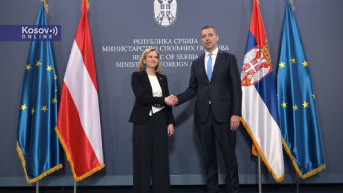
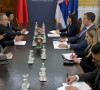
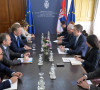
The Minister of Foreign Affairs of the Republic of Serbia, Marko Djuric, met today with the Federal Minister for European and International Affairs of the Republic of Austria, Ms. Beate Meinl-Reisinger, and emphasized that Serbia places great importance on ensuring the respect of the rights of the Serbian people in Kosovo and on the establishment of the Community of Serb Municipalities.
“It is a great pleasure to welcome the Austrian Foreign Minister and our Austrian colleagues today in Belgrade. This visit represents a significant boost to the cooperation between the Republic of Serbia and Austria. During our meeting, we discussed the excellent economic relations our two countries have developed in recent years, with Austria having become one of the key contributors to the accelerated economic development of both our region and Serbia in particular. Austria is now Serbia’s third-largest investor, with Austrian companies employing thousands of people across our country, bringing not only new opportunities for Serbian citizens but also new technologies and greater integration with the European economy,” Minister Djuric stated.
He added: “Serbia is a country undergoing rapid economic growth and offers outstanding opportunities not only to Austrian businesses, but to others as well. Serbian investors are increasingly active in our partner countries across the region, including in Austria. We also addressed serious political topics, and I am particularly pleased that Minister Meinl-Reisinger has chosen to visit Serbia just a month after her appointment in the new Austrian government. This clearly reflects Austria’s strong interest in deepening relations with Serbia and our region, and its commitment to advancing our joint work on the European agenda. Serbia aims to fulfill all EU accession requirements by the end of 2026, based on a credible and merit-based process,” Djuric emphasized.
The Serbian Foreign Minister noted that the two officials also discussed recent domestic political developments in Serbia.
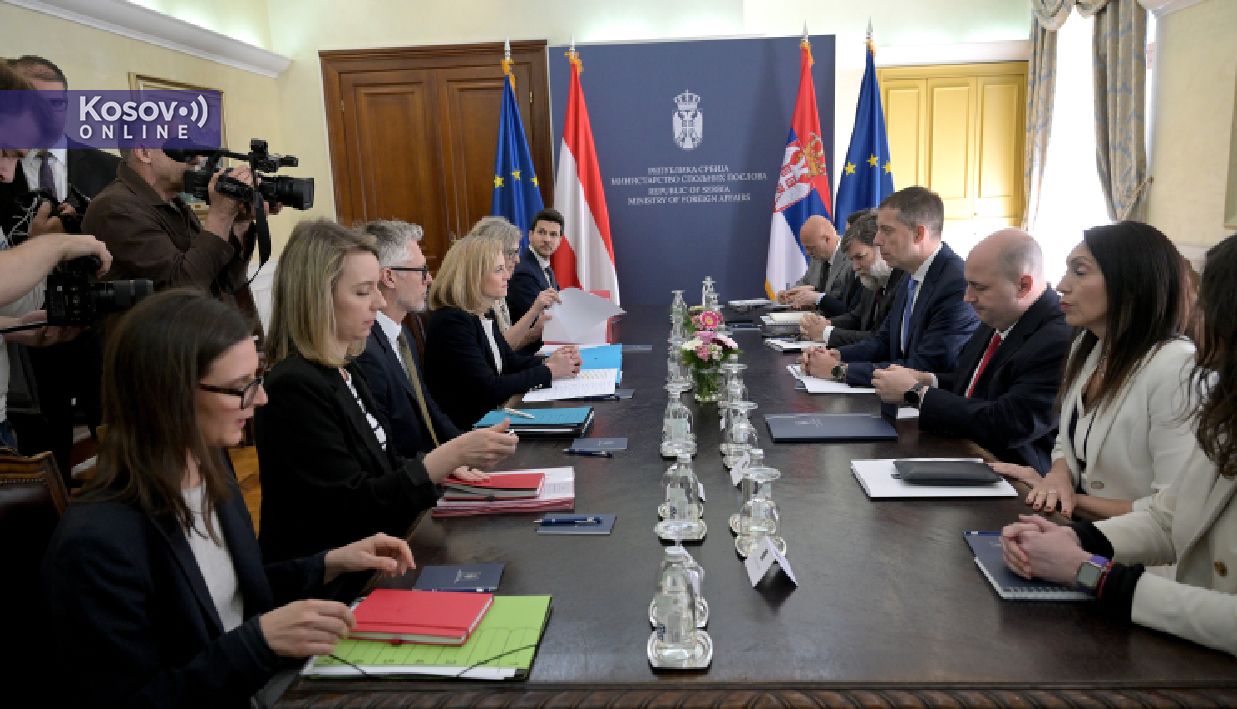
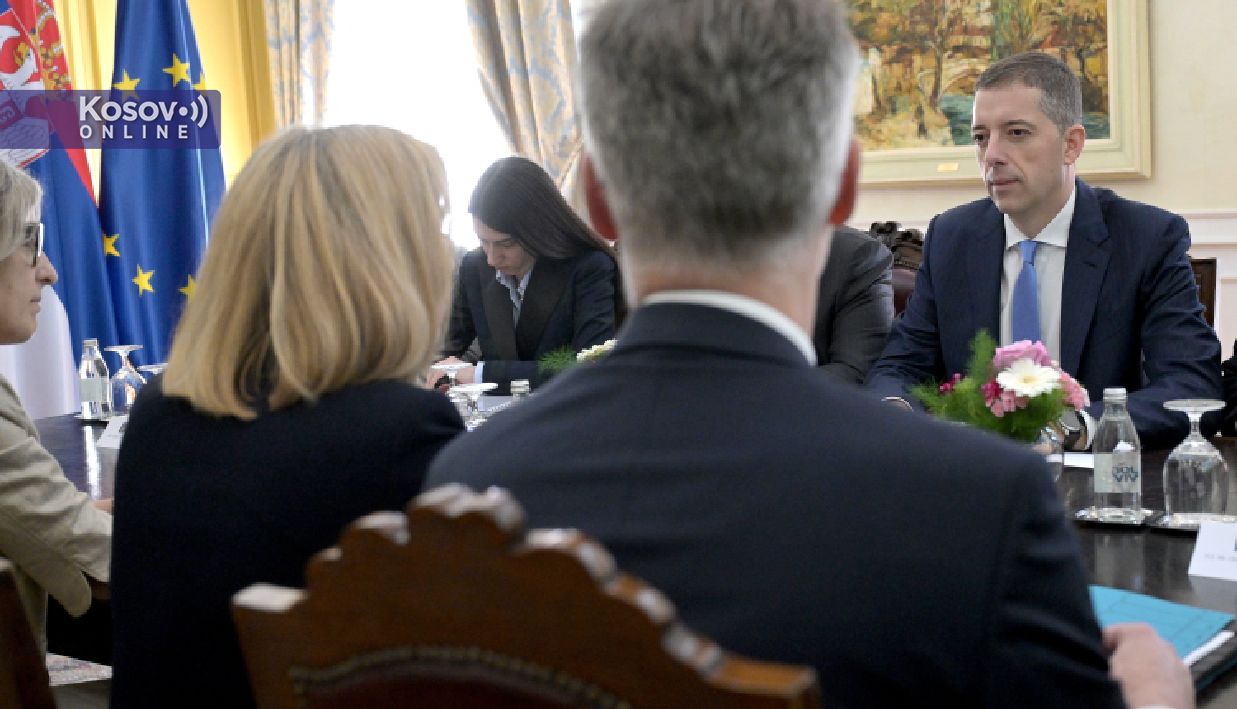
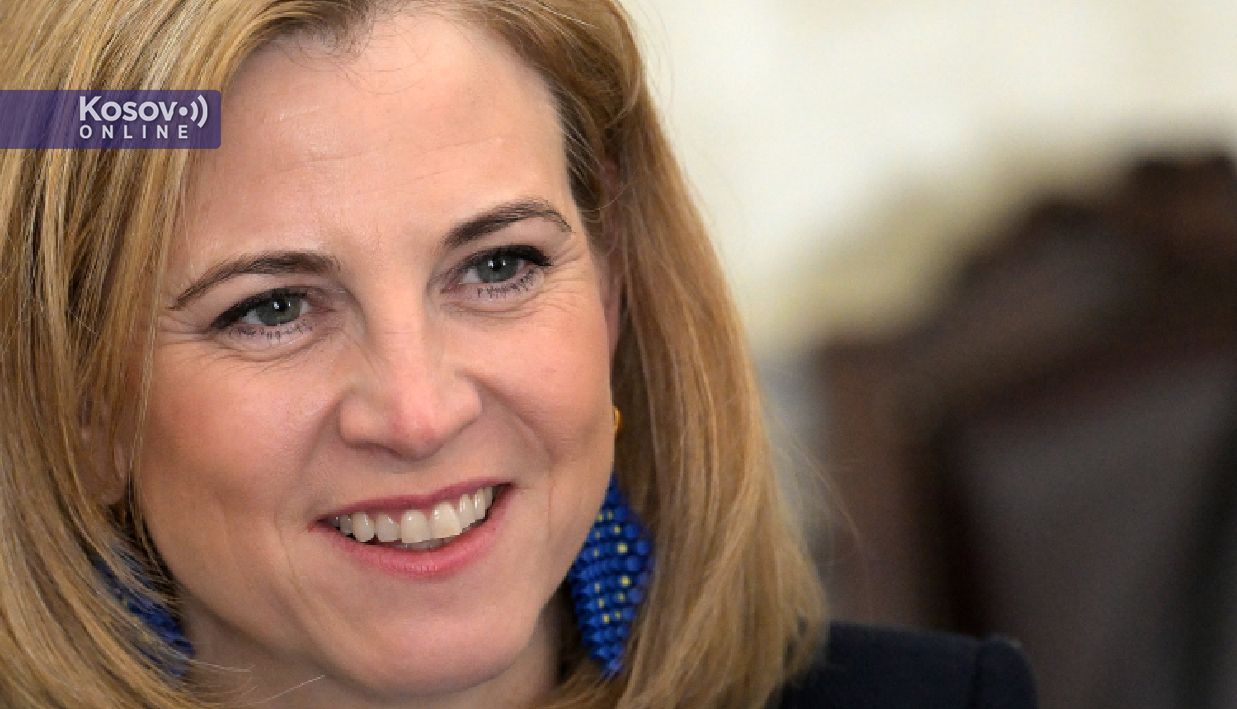
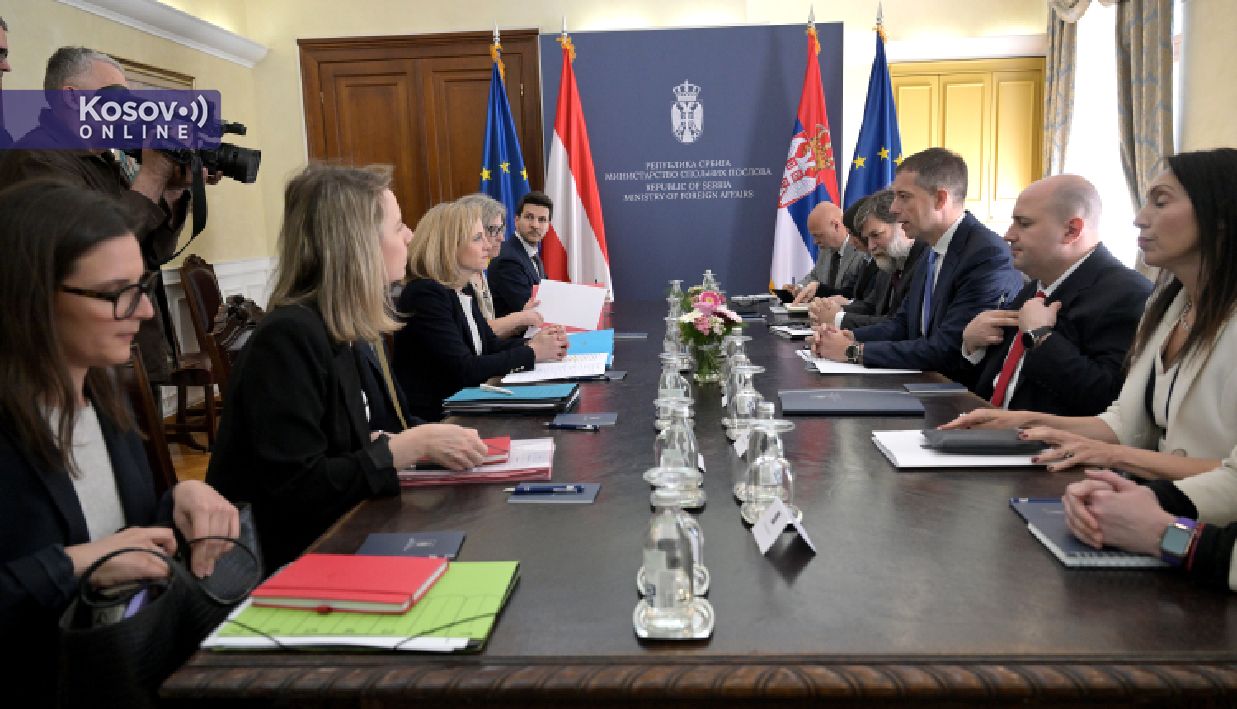
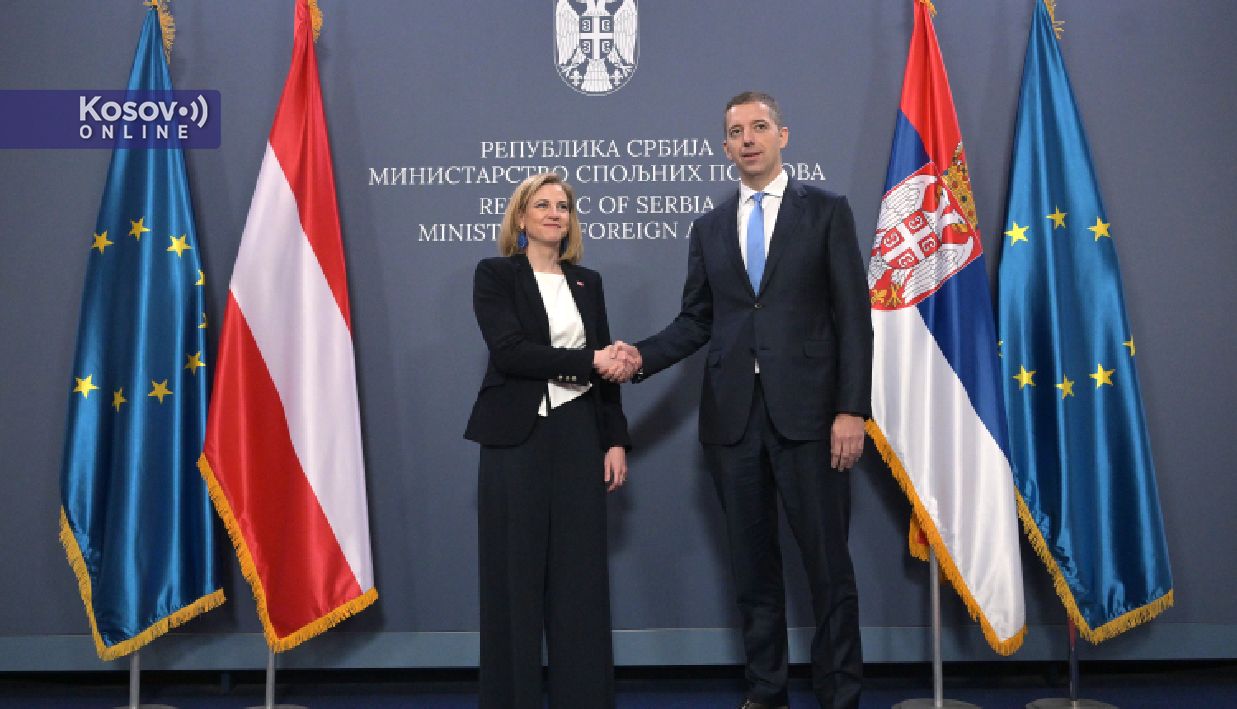
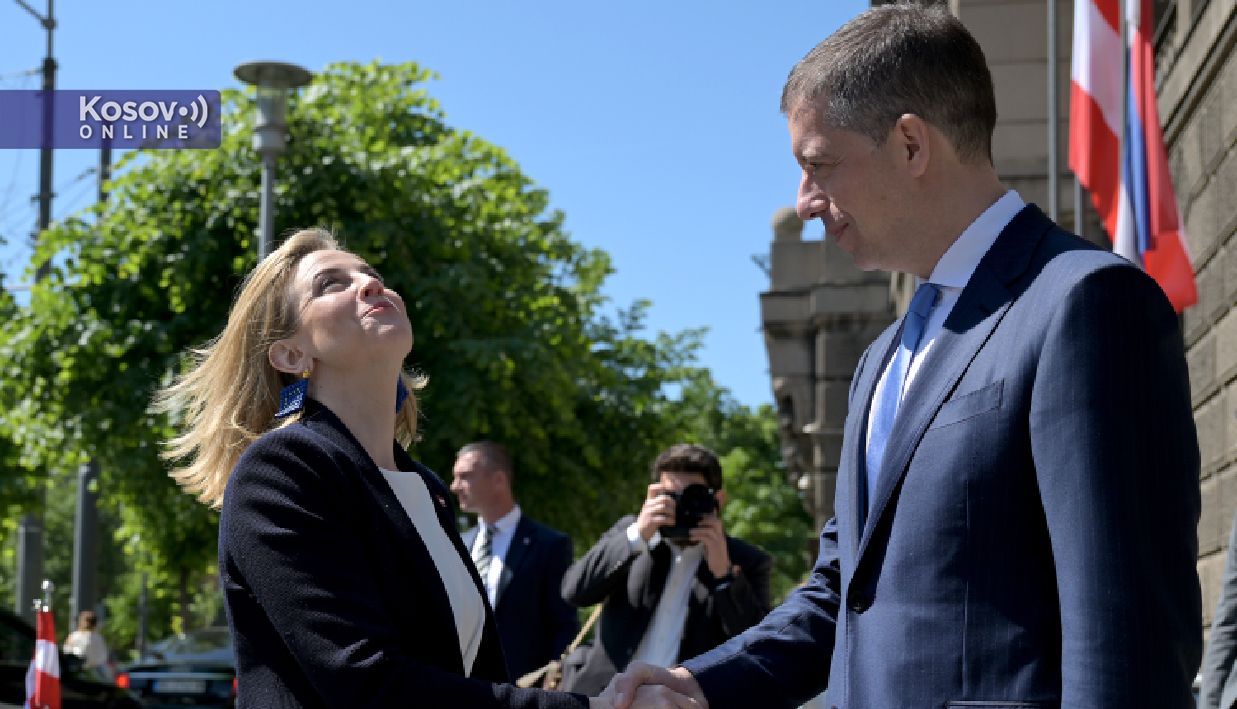


“I briefed my Austrian colleague on Serbia’s efforts to overcome internal political challenges and to strengthen and advance national dialogue. We also spoke about various issues concerning the Belgrade–Pristina dialogue. Serbia believes it is of critical importance that the rights of the Serbian people in Kosovo and Metohija are safeguarded, that agreements reached—some more than 10 or 12 years ago, such as the Agreement on the Community of Serb Municipalities—are fully implemented, and that the mission of Mr. Sørensen, who is tasked with contributing to normalization, is supported. Serbia remains firmly committed to supporting the dialogue process while also insisting on the protection of the collective rights of Serbs and other communities in Kosovo and Metohija. I also informed our guests of the problems caused by unilateral and uncoordinated actions by the local authorities, which have led to heightened tensions and have not contributed to the normalization of relations,” Djuric stated.
He reiterated Serbia’s strong commitment to continuing internal reforms and promoting economic development.
“I also stressed that Serbia approaches the European process not with an outstretched hand, but with the desire to contribute through the strength of its economy, the talent of its people, its strategic position in the region, and its capacity to serve as a stabilizing and progressive force. I am confident that Austria’s continued support for Serbia’s European path is mutually beneficial, and I expressed my gratitude for its support so far. We also discussed various other regional issues and will continue these discussions throughout the visit,” Djuric added.
He expressed his satisfaction with the excellent multilateral cooperation between Serbia and Austria in the United Nations and other forums where both countries support each other’s candidacies.
“In closing, I must highlight the outstanding role, contribution, and potential of our numerous diaspora members living in Austria, who serve as a true bridge of cooperation between our two countries. Together with our teams, we plan to further harness this potential to create new economic opportunities and deepen political and societal understanding between Serbia and Austria. I sincerely thank our colleagues for this visit, and I am confident that intensive and mutually beneficial dialogue will continue at the presidential and prime ministerial levels. Once again, I warmly welcome our Austrian guests and hope they feel at home in Belgrade, as I am convinced that our future is a shared one,” Minister Djuric concluded.
Minister Meinl-Reisinger emphasized that this is her second visit to Belgrade, but the first in her official capacity, and reiterated that Austria considers its partnership with Serbia to be of great importance.
“I truly enjoy coming here. I like the city, I like the people, and this time, I even managed to go for a morning run in Belgrade—something I highly recommend. It’s a wonderful way to experience the city. I’ll gladly return. It was important for me to come to Serbia relatively soon after taking office because Austria sees Serbia as an essential partner. We also discussed the vibrant Serbian diaspora in Vienna, which plays a key role economically, culturally, and in city life—including nightlife, which is quite important in Vienna. We greatly appreciate these close ties and exchanges. Vienna is, as it’s often said, actually the third-largest Serbian city. This means that Serbs are a vital and vibrant part of our beautiful city, and I hope many of them took part in last Sunday’s elections, which were a true celebration of democracy,” Minister Meinl-Reisinger said.
She highlighted the close economic ties as a source of pride.
“More than 800 Austrian companies operate in Serbia. Last night, I had the opportunity to meet with some of their representatives over dinner. There is a great deal of mutual respect and value creation, if I may put it that way. These companies provide over 24,000 jobs. I am pleased with this contribution and proud that it is so highly regarded. Many of these sectors—such as banking and insurance—are built on trust and cooperation. This is a strong signal, and I am certain there is more untapped potential to be developed and utilized,” the Austrian Foreign Minister emphasized.
She noted that her visit also reflects the Austrian government's renewed commitment to advocating for the Western Balkans, and particularly for Serbia, on the path to EU membership.
“I am here to say—we are serious about this. We want you, we want Serbia to be part of the European Union, to bring our people and economies closer together. We share a deep common past, and we want to build a meaningful common future. Above all, we want to offer hope to young people in Serbia, to believe in that future—in a united Europe and the opportunities it offers for freedom, self-realization, and economic advancement. For this reason, it is vital to Austria that the accession process is credible. That requires serious effort on Serbia’s side, but also on the European side. We have long championed the concept of gradual integration, so that citizens can tangibly experience the benefits of EU membership—not just on paper, not just technocratically or bureaucratically—but by asking: ‘What does this mean for me?’ Because it is in our shared interest that this process is brought to life,” Minister Meinl-Reisinger stated.
She also addressed the importance of core European values.
“It is clear that we are a community of values. These values are inviolable for us, and that is a key aspect of the accession process—demonstrating clear commitment to the rule of law, freedom of expression, and democracy itself. As close partners, we can and should expect this from one another, speak openly about it, engage in dialogue, accept criticism, and identify improvements needed from the EU perspective to offer a genuine perspective for the future. We also discussed, and I’m grateful for this, the importance of regional relations—not only Serbia’s relations with the EU, but with its neighbors and fellow Western Balkan countries. That’s a crucial issue for the future and for the EU path. That’s why every opportunity to build trust must be seized. In times of rising polarization and increasing identity politics, it is essential to keep the engines of dialogue running. This is our shared responsibility, and one that we are committed to supporting and participating in. Therefore, it is essential to achieve progress in the Belgrade–Pristina dialogue, which we discussed in depth, and where we exchanged very constructive ideas on how to revitalize the process,” the Austrian Foreign Minister concluded.
0 comments