
Gogic: Political parties in Kosovo create crises that the Constitutional Court must resolve, further deadlocks possible
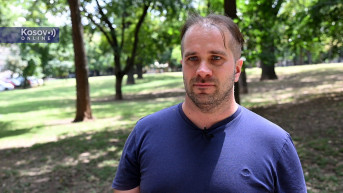
Political analyst Ognjen Gogic has said that the dilemmas surrounding the formation of Kosovo's institutions in the past period did not arise from ambiguities in Kosovo's Constitution, but rather because political parties created constitutional and legal crises, warning that further deadlocks in the process remain possible.
Speaking to Kosovo Online, Gogic said that all of the dilemmas stemmed from the political parties' lack of willingness to resolve the crisis.
"All of the dilemmas that accompanied the formation of institutions last year and this year are not the result of an unclear Constitution. Rather, political parties created situations that the Constitution had never envisaged. Because they were unable to reach an agreement, delayed the formation of institutions and brought parliament to a standstill, constitutional and legal gaps emerged, as these were circumstances that no one anticipated when the Constitution and the broader legislative framework were drafted. That created the need for the Constitutional Court to intervene and propose ways to unblock the entire process. The responsibility lies with the political parties, which remain inactive and unwilling to make compromises, instead creating constitutional and legal crises that the Constitutional Court is then forced to resolve," Gogic said.
Regarding the election of the Deputy Speakers of the Assembly of Kosovo from the non-majority communities, Gogic said that the Constitutional Court had clarified the relevant procedure and that there were now no ambiguities in that regard. However, he added that this does not mean new blockages will not occur.
He further noted that the key issue in the current situation will be whether the Acting President of Kosovo has the authority to grant a mandate to form a new government, recalling the events of 2021 when Glauk Konjufca simultaneously served as Speaker of the Assembly of Kosovo and Acting President.
According to Gogic, this issue could soon come before the Constitutional Court of Kosovo.
"That, too, would simply be another consequence of the lack of agreement in parliament. If the political parties were able to reach an agreement on the government and the presidency, this issue would not even arise," Gogic said.
He added that Kosovo is once again entering uncharted territory.
"If this practice among political parties continues, it could once again lead Kosovo into unexplored legal territory, where it becomes unclear which legal norms apply and how they should be interpreted and implemented," the political analyst said.
With regard to the election of the President of Kosovo, Gogic noted that, according to the Constitutional Court's interpretation, a quorum is required in the first two rounds of presidential voting, adding that this has long been established practice and has not previously been questioned.
Nevertheless, Gogic warned that further deadlocks remain possible because the Constitutional Court has not prescribed sanctions if the constitutive session of the Assembly of Kosovo is not completed within the statutory deadline, nor for members of parliament who refuse to participate in parliamentary proceedings.
"The Constitutional Court has repeatedly stated that members of parliament are obliged to participate in the work of parliament—to vote either for or against, but above all to take part in parliamentary proceedings. They are not doing so and are thereby obstructing the election of the president. However, there are no sanctions for such conduct, even though it violates both the spirit and the letter of the Constitution. As a result, new situations may arise that will once again require the Constitutional Court to intervene," Gogic stressed.
Gogic added that another issue likely to become the subject of a constitutional dispute concerns the 60-day deadline for the election of a new President of Kosovo.


0 comments