
Graovac: Osmani participated in creating a deeply radicalized public in Kosovo
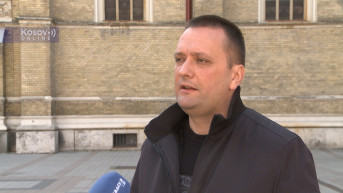
Political analyst Srdjan Graovac from the Center for Social Stability says that Kosovo President Vjosa Osmani, together with Albin Kurti, has been creating a deeply radicalized public in Kosovo, and now she and Kurti are competing to see who can be more extreme in anti-Serb statements.
Yesterday marked three years since Osmani was elected as President of Kosovo, and Graovac says that both she and Albin Kurti belong to the younger generation of the political elite in Kosovo and that many expected that, given that more than 20 years have passed since the war in Kosovo, they would have a different and milder narrative, but the situation is entirely different.
"She belongs to the group of younger political leaders in Kosovo who inherited older communist leaders from the time of Yugoslavia, but also what they called 'forest leaders,' mostly terrorist leaders from the time of the KLA. However, we see that this younger generation has a more pronounced nationalist and chauvinistic narrative towards Serbs and has contributed to the radicalization of Albanian society in Kosovo and Metohija," Graovac emphasizes.
He adds that they literally blamed Serbia and Serbs for all the troubles in Kosovo, "for the lack of investments, excessive unemployment, poor economic conditions, or the inability to complete the process of forming an independent state of Kosovo."
"In this way, they created an atmosphere of lynching directed towards Serbs, which led to an increase in attacks on Serbs, so they are responsible for the situation that has arisen in Kosovo and Metohija. Taking that into account, it is no surprise that Osmani has an extremely negative narrative towards Serbs and Serbia because she participated in creating such an atmosphere in Kosovo society, and a different narrative is impossible. If you were to advocate a different stance, this radically charged public would not accept you. She is trying to reap the fruits of that radical narrative, which is essentially anti-Serb," Graovac says.
He says that Osmani blamed Belgrade for all the troubles of Albanians, which should not be surprising, as it fits into the regional narrative that certain political circles from Sarajevo and Podgorica also join.
"Their key goal is to label Serbia as a key ally of Russia in this region and thus direct the anger and sharpness of the West towards Belgrade and Serbia. Osmani fits into that narrative, which has already been formed and has been promoted as if on cue since the beginning of the unfortunate war in Ukraine," Graovac says.



0 comments