
Hoxha: Summit in Skopje important for dialogue; unlikely that the decision to ban dinars will change
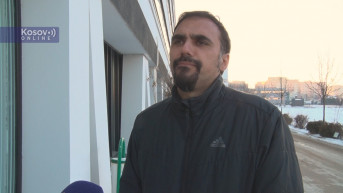
The summit of regional leaders on the EU's Western Balkans Growth Plan, held yesterday in Skopje with representatives from Brussels and Washington, is crucial for Belgrade and Pristina as there has been no progress in the dialogue in recent months, political analyst Leart Hoxha says for Kosovo Online.
Discussing the discontinuation of financial transactions with Serbia, which was also discussed on the sidelines of the Skopje meeting, Hoxha believes that after the decision of the Central Bank of Kosovo to ban the dinar, there is nothing that can be done, and the citizens of Kosovo will have to use the official currency, the euro, which has been in use since 2002.
"These meetings are important because it has been observed that there has been no progress in the dialogue in recent months. Apart from the pressure coming directly from Brussels, the fact that Assistant Secretary of State for European and Eurasian Affairs James O'Brien and leaders of Balkan countries were present in Skopje indicates that Kosovo and Serbia, despite their problems, are seen within a broader framework of greater regional integration. Identifying the problems and reasons why other Balkan countries cannot progress toward the European Union means that pressure will also come from the Balkans, and that is an additional reason why Kosovo and Serbia should work faster on some more lasting, if not final, agreement," Hoxha said.
Although, after the summit in Skopje, Assistant Secretary of State for Europe and Eurasia James O'Brien called for the implementation of the Ohrid Agreement, Hoxha emphasizes that there is no specific pressure. He says that what has not been publicly said is much more important.
"The European Union has prepared six billion euros for the Balkans, but the Balkan countries are more interested in quarreling among themselves and pointing fingers of blame at each other than working together on projects that would enable them to turn those six billion into eight or spend EU money in two instead of three years. So, if the European Union has the money, it can use that financial pressure. It is very important that James O'Brien was there, and even more important is what was not said in public meetings and conferences but during informal dinners or meetings with Americans. Because the EU has six billion but has no way to force Balkan countries to cooperate with each other to spend those six billion for the benefit of their citizens," Hoxha said.
Serbian President Aleksandar Vucic said he had talked with US Assistant Secretary of State James O'Brien about Pristina's attempt to abolish the dinar in Kosovo and would continue consultations on the matter in the coming days. However, Hoxha believes that the decision of the Central Bank of Kosovo will not change.
"I think it will not happen; it's a decision of the Central Bank of Kosovo, it has never been a topic in the dialogue. Kosovo has been using the euro since 2002, and I doubt that much more can be done. This is the next obstacle that could prevent progress in the dialogue process, but for the dinar to return, it is very difficult to achieve. The decision of the Central Bank would have to be violated, and with that, the law would have to be publicly violated. I think, based on what we've seen with license plates or personal documents, it will take a few months, but in the end, the citizens of Kosovo, whether Serbs, Albanians, or any others, will have to deal with the official currency of this country," Hoxha emphasized.
Speaking about the integration of Western Balkan countries, Hoxha mentioned that Kosovo Prime Minister Albin Kurti's stance was that "the more work is done on the integration of Balkan countries with each other, the more it distances or delays the process of integrating the Balkans into the European Union."
"It is true that the possibility of including Balkan countries in the European Union as a package has been mentioned for many years, just as it is a fact that countries in this process cannot progress equally. This means that Bosnia, Kosovo, and Serbia literally delay the integration process for North Macedonia, Montenegro, and Albania, which are implementing reforms more rapidly. If this process is based on waiting for the entire Balkans to be ready for the EU, then all countries will 'get stuck' in these Balkan forums and initiatives. And if it is not demonstrated that they can cooperate with each other, it is unlikely that anyone will give them a chance to cooperate with Sweden, Finland, and other EU countries if they are unable to jointly complete a good project or something beneficial for their citizens," Hoxha emphasized.


0 comments