
Janjic: Some moves by Lajcak encouraged Kurti, tolerance of elections in the north is one of the triggers for new conflicts
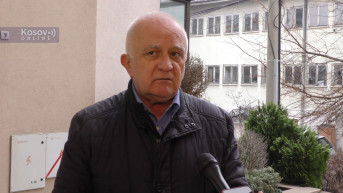
The President of the Forum for Ethnic Relations, Dusan Janjic, said today that Europe's toleration of the mayoral elections in the north of Kosovo is one of the triggers for new conflicts, reports RTV.
He says that attention has been drawn for a long time to the fact that there is a vacuum in the north of Kosovo, and that the trust of the citizens was shaken the moment the Serb List and the representatives of the Serbs left the institutions.
He adds that the Americans constantly warned that they would do something about the return of Serb representatives to institutions, especially security institutions, and that they would do something about removing those risks.
Janjic notes that the policy of reciprocity implemented by Albin Kurti and the policy of dialogue on the normalization of relations between Belgrade and Pristina are two totally different policies, even though they all behaved as if they were the same, he concluded.
"Not only was there tolerance, there were even some moves by Lajcak, who encouraged Kurti. The fact that Lajcak now says that the priority and sequence of obligations is known. It is known, but it is not respected. He did not respect it either because it was an agreement "to establish security first, as Escobar and Hill said here, and then talk about normalization. They started to push for talks about normalization, the Community of Serbian Municipalities, while tolerating the elections," he states.
He explains that when Kurti says he is ready to fully implement what was agreed in Brussels and Ohrid, he means that he wants to be the one to write the proposal and draft, even to change the management team he did not appoint.
Speaking about the opening of the bridge on the Ibar, Janjic says that the time for opening the bridge on the Ibar has long been overdue, but if you look at it from the point of view of physical security, it is actually open, because, he adds, any well-organized hooligan or other group can cross there, and they do.
"In their minds, he is a symbol of security for Serbs, because there is that dividing line that saved lives in some period in 2000. It was the line of acceptance of the Serbs who were fleeing from the south. That cannot be done in these circumstances of tension. If someone would tried to remove it, then he would get barricades," he concluded.



0 comments