
Jovanovic: Baerbock’s role at UNGA will be largely ceremonial, but she can promote Germany

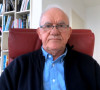
Former Ambassador of the Federal Republic of Yugoslavia to the United Nations, Vladislav Jovanovic, stated that the position of President of the UN General Assembly (UNGA), for which Germany has nominated outgoing Foreign Minister Annalena Baerbock, is largely a ceremonial and representative duty. However, from that position, Baerbock will have an opportunity to promote Germany positively within the UN system, particularly given the country’s ambition to become a permanent member of the Security Council.
"She can leverage her previous experience as the foreign minister of a major country to increase Germany’s visibility and influence—not just as a powerful and influential European nation, but also as a country that, by all accounts, deserves a stronger representative role in the UN system. This is part of Germany’s ongoing battle for a permanent seat on the Security Council, something that has been blocked so far but remains a key ambition," Jovanovic told Kosovo Online.
At the moment, Jovanovic noted, Germany is more focused on securing more frequent non-permanent membership in the Security Council. If it manages to do so consistently, its name will carry greater weight as a significant and influential global actor.
From her role as UNGA President, Baerbock will not have the authority to shape policies or significantly engage in lobbying, as the position primarily involves overseeing the work of the General Assembly in accordance with established principles and practices.
"Foreign ministers are often appointed to this role, and none of Baerbock’s predecessors have made a major impact or taken any bold steps beyond securing comfortable positions in banks, insurance companies, or NGOs afterward. Still, it is a prestigious position that enhances both the individual’s and their country’s standing," Jovanovic emphasized.
He has no doubt that Baerbock will secure the necessary votes, as there has never been a particularly fierce contest for this position.
"In the end, the United Nations is the only global organization based on the principle of equality—except for the five members who are a bit 'more equal' than the rest. However, perhaps that, too, will change in the course of future UN reforms," Jovanovic concluded.



0 comments