
Jovanovic: The first war in Europe after 1945 ended in Kumanovo 26 years ago, persecution of Serbs still continues
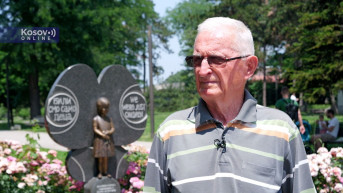
President of the Belgrade Forum and Foreign Minister of the Federal Republic of Yugoslavia in 1999, Zivadin Jovanovic, stated that the Kumanovo Agreement of 1999, along with the subsequent UN Security Council Resolution 1244, ended the first war on European soil after World War II. However, 26 years later, he says that in Kosovo, "the persecution and continued ethnic cleansing of Serbs is still ongoing."
"These documents ended the first war on European soil after World War II. That war opened Pandora's box for NATO interventions around the globe. It marked the peak of the arrogance of the Western military alliance on the international stage, an arrogance stemming from their status as victors in the Cold War," Jovanovic told Kosovo Online.
He emphasized that the Kumanovo Agreement was part of a "package" of three documents. The first was the agreement reached on June 3 by then-Yugoslav President Slobodan Milosevic with international negotiators Martti Ahtisaari and Viktor Chernomyrdin, followed by UN Security Council Resolution 1244, adopted on June 10.
"These documents form a single whole, a package where no part can be understood outside the context of the others. All of them guarantee the sovereignty and territorial integrity of Yugoslavia, and for Kosovo and Metohija, they exclusively foresee broad autonomy within the FRY, that is, within Serbia as the legal successor," Jovanovic said.
He added that none of these documents were "easy" from the standpoint of Serbia's interests.
"Not all positions were respected, but we must understand the time, when Western arrogance was at its peak, and Serbia and Yugoslavia were under sanctions, without allies. Not even from Russia did we receive the support we had expected," the former Yugoslav foreign minister explained.
He stressed that the failure to implement some of the key provisions agreed upon in Kumanovo and guaranteed by Resolution 1244 is still evident today, 26 years later.
"We see that even today, 26 years after the aggression ended, ethnic cleansing of Serbs continues, and their persecution is ongoing. And all of it is happening in the shadow of other developments, which responsible actors wish to push to the margins," Jovanovic emphasized.
He sees the root causes in the West’s double standards when it comes to respecting signed agreements.
"Our experience shows that during the negotiation phase, the West makes certain concessions to the party they’re negotiating with, in this case, provisions about sovereignty and territorial integrity, autonomy for Kosovo and Metohija, and the return of the army and police. However, when it comes to implementation, they apply a selective approach, believing they are still the most powerful, unquestionable, and not bound by any of the documents they have signed," Jovanovic concluded.


0 comments