
Ker-Lindsay: Kurti makes things difficult, the West is disappointed in him
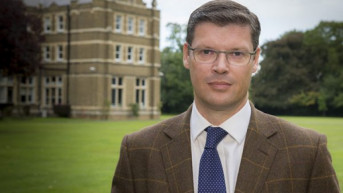
British professor at the London School of Economics, James Ker-Lindsay, emphasized that Kosovo should establish the Community of Serb Municipalities to give the United States and the European Union a reason to pressure Belgrade to recognize Kosovo's independence, as reported by Teve 1.
Ker-Lindsay states that Kosovo needs to understand the importance of a political agreement with Serbia.
According to him, the West is making serious efforts to persuade Serbia to recognize Kosovo's independence, but the approach of Kosovo's Prime Minister, Albin Kurti, is not helping the process.
"From abroad, it is assessed that the most reasonable solution between Kosovo and Serbia would be for Serbia to recognize Kosovo's independence and for Kosovo to accept a form of autonomy for the Serbian community. There are expectations now that Kosovo will take steps to establish a Community of Serb-majority Municipalities. This move by Kosovo would pave the way for Americans and Europeans to pressure Belgrade to recognize Kosovo's independence. Kosovo must grasp the importance of an agreement with Serbia because it has been stagnating in the international arena for a long time. Whether you like it or not, Serbia is a key player in the Western Balkans. Western countries are making serious efforts for Serbia to recognize Kosovo, but Prime Minister Kurti's approach is making things difficult, and the West is disappointed in him because he does not understand the broader dynamics of development," Ker-Lindsay said.
However, the British professor sees another, more logical solution between Kosovo and Serbia.
"I have always argued that the best solution between the two countries would be a territorial exchange. It is very clear that a significant portion of Kosovo Serbs want to join Serbia, while Albanians in eastern Serbia would not think twice about joining Kosovo. So, for me, this would be the most logical solution," Ker-Lindsay stated.
Regarding the events in Banjska on September 24th, Ker-Lindsay says that it cannot be claimed that Serbia was involved, and that one should be cautious with accusations.
"Many say that Serbia is behind the incident in Banjska where the Kosovo police were attacked, but I think we should be cautious before drawing these conclusions because investigations are still ongoing. Before this event happened, tensions had been simmering in the northern part of Kosovo for months, and of course, the local population was in a very difficult situation. There is still much that is unclear, but I do not believe that Vucic was pleased with this event in Banjska; other forces within Serbia could have easily become involved, perhaps even the secret services. I would not dare to say that the Serbian Government approved the attack," Ker-Lindsay said.

0 comments