
Koka: Albania will struggle to meet new 3.5% of GDP defense budget target
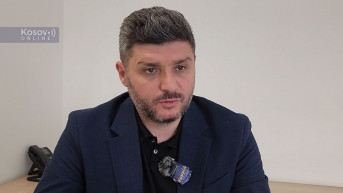
Analyst and editor-in-chief of Suri TV, Bledian Koka, stated that Albania will find it extremely difficult to meet the new NATO requirement for member states to allocate 3.5% of their Gross Domestic Product (GDP) to defense spending in the future, noting that since joining the alliance, the country has rarely managed to meet even the previous 2% target.
“I believe that a 3.5% defense budget requirement is, under Albanian circumstances, very difficult to fulfill—almost impossible. This is due to the many economic challenges Albania is facing, as well as the numerous infrastructure investment goals and concessions pursued by the current government, which have a significant impact on the national budget,” Koka told Kosovo Online.
The pressure to increase military spending among NATO member states will be a key topic at the Alliance’s June summit. According to Koka, the push is being driven by the United States, and Albania may be forced to revise its defense budget.
He added that this issue also featured prominently in Albania’s recently concluded parliamentary elections.
“We must bear in mind that there were pre-election promises on this matter, both from the current majority and the opposition. The opposition proposed raising wages and pensions, which would be an economic burden that would prevent Albania from allocating 3.5% of its budget to the military and armaments,” Koka said.
He believes that the push for increased military spending is primarily intended to ensure NATO members meet the baseline investment quota of 2% of GDP.
“In my opinion, the pressure to reach 3.5% is a way to compel NATO countries to at least meet the basic military investment threshold of 2%. According to my information, since Albania joined NATO in 2008, this level has rarely been respected in the annual budgets of Albanian governments—be it under Berisha or during Rama’s three terms in power,” Koka noted.
When asked how new defense investments might impact the Western Balkans, the analyst stated that Belgrade has no reason to be concerned about the strengthening of Albania’s military.
“Back during the 45-year rule of dictator Enver Hoxha, Albania allocated up to ten percent of its annual budget to defense. Although the country was poor, we saw—especially after that regime fell—the extent of the military potential, in terms of munitions and weaponry, that Albania had built. Regardless of what we may think of the Tito, Hoxha, or Milošević regimes, I don’t believe Albania has ever been a factor seeking to undermine peace and stability in the region,” Koka asserted.
He therefore concludes that NATO’s strengthening should not be seen as a threat but rather as a guarantee, including for other countries such as Serbia.
“NATO is not a threat to others, but a guarantee for all—especially for Serbia. To my knowledge, there have been no shortages of invitations for Serbia to join the alliance, and I believe there will be more in the future,” the analyst said.
He views defense investment as a form of insurance against potential threats—not only those highlighted by the war in Ukraine but also by conflicts around the world.
For Koka, the U.S. demand for increased defense spending by NATO members should not be seen as a "burdensome economic challenge," but rather as a response to the threats posed by potential adversaries.
“In any case, we must be at least equally prepared as others for any possible conflict—although I hope one never occurs. This compels the alliance to make such demands of its members. It’s a call for military parity and a response to what one’s opponent is doing. If others grow stronger, we cannot afford to grow weaker,” Koka concluded.


0 comments