
Lukic: The establishment of the Institute for War Crimes in Pristina should not be taken lightly
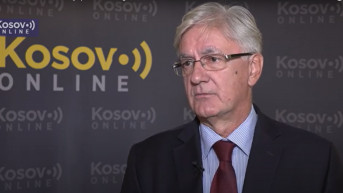
Branko Lukic, a long-time lawyer at the Hague Tribunal, says that the newly established Institute for War Crimes in Pristina should not be "taken lightly," despite not being a judicial body, because it can work towards creating a comprehensive picture of events during 1998 and 1999 in Kosovo.
"The Institute is not a judicial body; however, it can work on creating a picture, collecting evidence, interviewing people. It has no restrictions that a court has in terms of legal access to the problem; they can do whatever they want, manipulate, adjust, set up... It shouldn't be taken lightly," Lukic evaluates for Kosovo Online.
He points out that although everything is directed towards further attacks on Serbia, in the end, ordinary people and their families always pay the highest price.
Lukic draws parallels with the prosecution of war crimes in Croatia, stating that it was a model through which they "cleared the state of Serbs," and he fears that a similar scenario will unfold in Kosovo.
He reminds that after the end of the war in 1995, Croatia issued about 25,000 indictments that began to be implemented immediately after they gained independence.
"Croatia did it with the support of the EU and the collective West for its state, against Serbs. They did an excellent job, and in this way, they prevented the return of Serbs to Croatia," Lukic notes, adding that he expects a similar outcome for the Serbian community in Kosovo and that the establishment of this institute in Pristina will be "one of the tools" to contribute not only to the emigration of Serbs but also to prevent any desire for their return, similar to what happened in Croatia.
"I don't even know how many people are willing today, given the current situation in Kosovo, where there is a drastic persecution of Serbs, to return at all. But this is one of the tools, so I see it primarily as a tool for Albanians to empty Kosovo of Serbs," Lukic concludes.

0 comments